A company of Xianheng international
 EN
A company of Xianheng international
EN
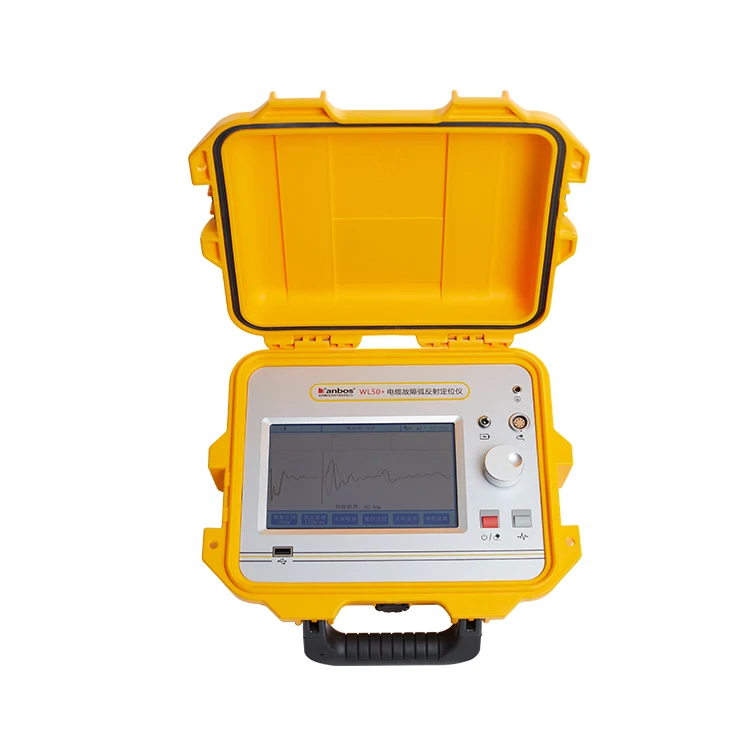
The telephone cable fault locator is an essential tool used in the telecommunications industry to identify and diagnose faults in telephone cables and overhead lines. Buyers, such as purchasing managers and engineers, often seek reliable solutions that ensure accurate fault detection, minimize downtime, and are cost-effective. This article will provide insights into evaluating cable fault locator, highlighting key specifications, quality assurance measures, cost factors, technical advantages, and real-world applications within the industry.
When selecting a Tanbos telephone cable fault locator, certain specifications are critical to ensuring effective performance. These include:
Detection Range: The ability to detect faults over various distances is crucial. A locator with a longer detection range can identify issues in large networks more efficiently. Buyers should assess their specific operational needs to ensure the product meets those requirements.
Measurement Accuracy: Accuracy in measurement is vital for diagnosing faults correctly. Look for locators that provide high precision and minimal error margins. This can significantly reduce the time and effort spent on troubleshooting.
Signal Type: Different locators use various signal types (e. g., tone, pulse, or digital signals). Understanding the signal type that best suits your infrastructure will enhance the effectiveness of the locator.
User Interface: A user-friendly interface is essential for quick operation and effective training. Consider models with intuitive controls and clear displays, which can reduce the learning curve for new users.
Durability and Weather Resistance: Since these tools are often used outdoors, ensure that the fault locator is built to withstand harsh environmental conditions, such as rain and dust.
Evaluating these specifications will help buyers choose an electrical cable fault locator that aligns with their operational requirements and enhances fault diagnosis efficiency.
Quality assurance in the manufacturing of telephone cable fault locators is vital to ensure reliability and longevity. Here are key aspects to consider:
Manufacturing Standards: Look for products that comply with relevant industry standards and certifications. This can indicate adherence to quality protocols during production.
Material Selection: The materials used in the construction of the locator affect its durability and performance. High-quality plastics and metals can enhance resistance to wear and environmental factors.
Quality Control Processes: Understanding the quality control measures taken by the manufacturer can provide insights into the reliability of the product. Regular testing during production and final inspections before shipping are essential for maintaining quality.
Warranty and Support: A robust warranty and responsive customer support can be indicators of a manufacturer's confidence in their product quality. This can also provide buyers with peace of mind regarding maintenance and repairs.
By ensuring quality in these areas, buyers can mitigate risks associated with product failures and enhance their overall operational efficiency.
Cost is a significant consideration when sourcing telephone cable fault locators. Several factors influence the overall pricing:
Initial Purchase Price: The upfront cost of the locator will vary based on specifications, brand reputation, and included features. Buyers should balance the cost with expected performance and longevity.
Maintenance and Operation Costs: Consider the ongoing costs related to maintenance, including potential repairs and required consumables. A more expensive unit may offer lower maintenance costs in the long run.
Training and Implementation: Factor in costs associated with training personnel to operate the new equipment effectively. A model that is easier to use may reduce training expenses.
Customization and Accessories: Some manufacturers offer customization options that can increase the base price. Additionally, necessary accessories, such as cables or carrying cases, should be included in the total cost consideration.
By analyzing these cost factors, buyers can make informed decisions that align with their budgetary constraints while ensuring they obtain a reliable high voltage cable fault locator.
Modern Tanbos telephone cable fault locators come equipped with advanced technical features that enhance their functionality. Key advantages include:
Integrated Software Solutions: Many locators now come with software that allows for data logging, analysis, and reporting. This capability can help track faults over time and improve maintenance strategies.
Real-Time Data Processing: Advanced models can provide real-time feedback during fault detection, allowing for quicker diagnosis and resolution of issues. This can significantly reduce downtime and improve service reliability.
Multi-Functionality: Some locators are designed to perform multiple functions, such as testing cable integrity and identifying faults simultaneously. This versatility can streamline operations and reduce the need for multiple devices.
Enhanced Connectivity: Modern locators often feature Bluetooth or Wi-Fi connectivity, enabling easy data transfer to mobile devices or computers for further analysis. This can improve collaboration and communication within teams.
These technical advantages provide significant operational benefits, making advanced telephone cable fault locators a worthwhile investment for businesses in the telecommunications sector.
Positioned as "Cable Diagnostic Experts at Your Side," we provide professional, trusted technology and support to clients, backed by strong industry credibility and a track record of innovation.
With over 15 years of focused experience in cable detection and testing since 2007, we have built deep expertise in the R&D and manufacturing of intelligent early-warning and fault-diagnosis equipment for cables and overhead lines.
As an innovative technology enterprise, we integrate R&D, technical training, application support, and sales to provide a comprehensive, end-to-end solution for cable diagnostics.
We concentrate our efforts on developing cutting-edge cable diagnostic technologies, enabling precise early warning and reliable fault diagnosis for enhanced grid safety and efficiency.
Telephone cable fault locators are utilized in various real-world applications across multiple industries:
Telecommunications Networks: Telecom providers use these locators to maintain and troubleshoot their networks, ensuring minimal disruption to services and quick fault resolution.
Public Utilities: Utility companies rely on cable fault locators to manage their infrastructure effectively, allowing for prompt detection of outages and proactive maintenance.
Building Management: In commercial buildings, these Tanbos locators are essential for maintaining internal communication systems, ensuring that any faults can be identified and rectified quickly.
Military and Defense: Reliability is crucial in defense communications. Fault locators are used to ensure that communication lines remain operational, even in challenging environments.
By understanding these applications, potential buyers can better appreciate the versatility and necessity of telephone cable fault locators in maintaining operational efficiency across various sectors.
choosing the right telephone cable fault locator involves careful consideration of specifications, quality assurance, cost factors, technical advantages, and real-world applications. By addressing these aspects, buyers can make informed decisions that enhance their operational capabilities and ensure reliable communication infrastructure.
 AR
 HR
 CS
 NL
 FR
 DE
 EL
 HI
 IT
 JA
 KO
 NO
 PL
 PT
 RO
 RU
 ES
 SV
 TL
 IW
 ID
 SR
 SK
 UK
 VI
 ET
 HU
 TH
 TR
 FA
 MS
 GA
 HY
 AZ
 UR
 BN
 LA
 MN
 KK