EN
EN
 AR
AR HR
HR CS
CS NL
NL FR
FR DE
DE EL
EL HI
HI IT
IT JA
JA KO
KO NO
NO PL
PL PT
PT RO
RO RU
RU ES
ES SV
SV TL
TL IW
IW ID
ID SR
SR SK
SK UK
UK VI
VI ET
ET HU
HU TH
TH TR
TR FA
FA MS
MS GA
GA HY
HY AZ
AZ UR
UR BN
BN LA
LA MN
MN KK
KK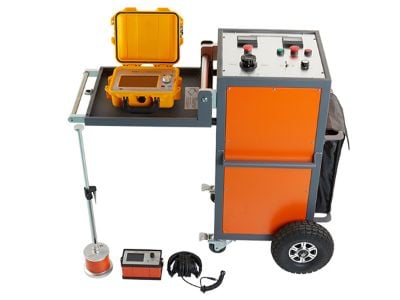
Cable fault testers are essential devices for identifying and diagnosing faults in electrical cables and overhead lines, especially in industrial settings where downtime can lead to significant financial losses. We will explore the differences between cable fault testers and traditional fault-finding methods. We aim to address key concerns that B2B buyers, including purchasing managers and engineers, may have regarding product specifications, cost considerations, supplier sourcing, installation, and common problems associated with cable testing.
Comparing Cable Fault Testers with Traditional Fault-Finding Methods
Cable fault testers utilize advanced technology to pinpoint faults in cables with high precision, significantly reducing the time and effort involved in traditional fault-finding methods. Traditional methods often rely on trial and error, which can be time-consuming and may lead to unnecessary disruptions in operations. In contrast, cable fault testers can provide real-time diagnostics and detailed fault analysis.
One of the primary advantages of cable fault testers is their ability to conduct tests such as time-domain reflectometry (TDR) and low-resistance testing. These tests allow technicians to identify the exact location of a fault, whether it be a short circuit or an open circuit, without extensive digging or cable removal. Traditional methods, on the other hand, may require visual inspections and multiple tests that can prolong the troubleshooting process.
Moreover, cable fault testers often come equipped with features that allow for automated testing and data logging, which can be invaluable for generating reports and maintaining records over time. This level of detail can help in preventive maintenance and future fault predictions, an area where traditional methods fall short.
Cost Considerations for Cable Fault Testers vs Traditional Methods
When evaluating the cost implications of cable fault testers versus traditional fault-finding methods, it's essential to consider both initial investment and long-term savings. While the upfront cost of purchasing a cable fault tester can be significant, the potential savings from reduced downtime and increased efficiency often outweigh these initial expenditures.
Traditional fault-finding methods may appear less costly at first glance, primarily due to the lack of specialized equipment. However, the costs associated with prolonged outages, labor hours spent on ineffective troubleshooting, and the potential for additional damage can quickly add up. For businesses with critical operations, the investment in a power cable fault tester can lead to more reliable operations and lower total costs over time.
Additionally, when assessing the cost of a cable fault tester, buyers should consider factors such as training and support services. Many manufacturers, like Tanbos, offer training programs that can enhance the effective use of these devices, further contributing to cost savings.
Where to Source Reliable Suppliers for Cable Fault Testing Equipment?
Finding a reliable supplier for cable fault testing equipment is crucial for ensuring quality and performance. Buyers should look for manufacturers with a strong track record in the industry, such as those specializing in cable diagnostics and fault detection since 2007, like Tanbos. Key factors to consider when sourcing suppliers include:
Reputation: Research customer reviews and testimonials to gauge the reliability of the supplier's products and services.
Technical Support: Ensure the supplier offers robust technical support and training, which can be critical for effective product implementation.
Product Range: A supplier with a diverse range of fault testing equipment may better meet your specific needs, offering customization options where necessary.
Certifications: Verify any certifications and compliance standards that the supplier’s products meet, as these can influence the quality and safety of the equipment.
Networking within industry forums, attending trade shows, and consulting with peers can also provide insights into reputable suppliers.
Installation Guidance for Cable Fault Testers in Industrial Settings
The installation of cable fault testers in industrial environments requires careful planning and consideration of several factors to ensure optimal performance. Here are key guidelines to follow:
Site Assessment: Before installation, conduct a thorough site assessment to identify potential issues such as environmental conditions and existing infrastructure that may affect testing.
Training: Ensure that personnel operating the equipment are adequately trained. Many suppliers provide training programs, which can enhance the effective use of the tester and minimize operational errors.
Calibration: Regular calibration of the testing equipment is essential to maintain accuracy. Follow the manufacturer's guidelines for calibration schedules and procedures.
Integration with Existing Systems: If the cable fault tester is to be integrated with existing diagnostic systems, ensure compatibility and proper configuration to facilitate seamless operation.
Proper installation and maintenance of cable fault testers can lead to improved diagnostic capabilities and reduced downtime in industrial settings.
Common Problems in Cable Testing and Effective Solutions Explained
Cable testing can present various challenges, and understanding these common problems can help buyers prepare for effective solutions. Some frequent issues include:
Inaccurate Readings: This can occur due to improper calibration or environmental interference. Regular calibration and using equipment in appropriate conditions can mitigate this problem.
Equipment Compatibility: Not all testers are compatible with every type of cable or environment. Buyers should confirm compatibility based on their specific application and environment before purchasing.
Training Gaps: Insufficient training can lead to misinterpretation of results. Investing in training sessions can greatly enhance the effectiveness of the testing personnel.
Fault Propagation: Over time, faults can propagate, making them harder to detect. Regular maintenance and routine testing can help catch issues early before they lead to significant failures.
By understanding these challenges and implementing effective solutions, businesses can optimize their cable testing processes, ensuring reliable operations and minimal downtime.
Table of Contents
- Comparing Cable Fault Testers with Traditional Fault-Finding Methods
- Cost Considerations for Cable Fault Testers vs Traditional Methods
- Where to Source Reliable Suppliers for Cable Fault Testing Equipment?
- Installation Guidance for Cable Fault Testers in Industrial Settings
- Common Problems in Cable Testing and Effective Solutions Explained