EN
EN
 AR
AR HR
HR CS
CS NL
NL FR
FR DE
DE EL
EL HI
HI IT
IT JA
JA KO
KO NO
NO PL
PL PT
PT RO
RO RU
RU ES
ES SV
SV TL
TL IW
IW ID
ID SR
SR SK
SK UK
UK VI
VI ET
ET HU
HU TH
TH TR
TR FA
FA MS
MS GA
GA HY
HY AZ
AZ UR
UR BN
BN LA
LA MN
MN KK
KK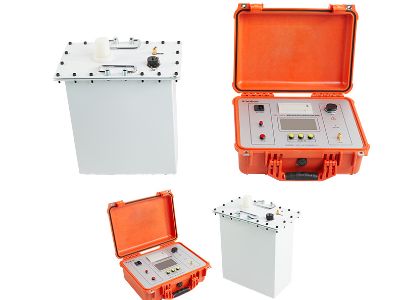
Sourcing cable fault testers from Chinese manufacturers can be a strategic decision for businesses looking to enhance their testing capabilities. Understanding the key factors involved in this process is crucial, as buyers often face concerns regarding product quality, supplier reliability, and cost-effectiveness. This article will delve into the essential aspects to consider when sourcing these critical testing devices, helping purchasing managers, engineers, and product managers make informed decisions.
Key Factors to Evaluate When Choosing a Cable Fault Tester Supplier
When selecting a supplier for cable fault testers, several key factors should be evaluated to ensure a successful partnership. First, assess the manufacturer's experience and specialization in cable fault testing equipment. A supplier with a solid background in this niche, like Tanbos, which has been in the industry since 2007, is likely to have better insights into product design and innovation.
Next, consider the supplier's manufacturing capabilities, including production equipment and technology. High-quality cable fault tester often require advanced technology for accurate fault detection and diagnosis. Verify the types and brands of machinery used in the manufacturing process, as outdated equipment may lead to inconsistent product quality.
Furthermore, it's important to evaluate the supplier's quality control processes. Inquire about their certifications and quality assurance protocols, as these ensure that the products meet industry standards. A reliable supplier should be able to provide documentation of their testing procedures and quality checks, which can help mitigate risks associated with product defects.
Lastly, consider the supplier's responsiveness and customer support. A supplier that prioritizes communication and support can provide valuable assistance during the sourcing process and beyond, ensuring that any issues are addressed promptly.
Common Problems with Cable Fault Testers and Their Solutions
While cable fault testers are essential tools for detecting issues in cable systems, they can present common problems that buyers should be aware of. One frequent issue is inaccurate readings due to poor calibration or maintenance. Buyers should ensure that the supplier provides clear guidelines on regular maintenance and calibration processes to avoid operational disruptions.
Another common problem is the compatibility of testers with different cable types. Not all cable fault locator tester are designed to work with every cable specification, so it’s vital to confirm that the chosen model aligns with the specific cables being tested. This may involve discussing the technical specifications with the supplier to ensure compatibility.
Lastly, software-related issues can arise, particularly with testers that require firmware updates or specific applications for data analysis. Buyers should inquire about the software support provided by the manufacturer, including update frequency and troubleshooting assistance, to minimize downtime caused by technological issues.
Cost Factors to Consider When Sourcing Cable Fault Testers in Bulk
When sourcing cable fault testers in bulk, understanding the cost factors involved is crucial for maximizing the budget. First, the unit price will typically decrease with larger orders due to economies of scale. However, it’s essential to factor in additional costs such as shipping, customs duties, and potential tariffs, as these can significantly impact the overall expenditure.
Another important consideration is the minimum order quantity (MOQ) set by the supplier. Manufacturers often have MOQs that can affect pricing. If the MOQ is higher than what your company needs, it may lead to unnecessary expenditure or inventory issues.
Additionally, consider the long-term value of the investment. While a lower upfront cost might be appealing, it’s essential to evaluate the reliability and durability of the fault tester. Investing in high-quality equipment may reduce maintenance costs and the likelihood of needing replacements or repairs.
Lastly, inquire about payment terms and warranties. A supplier offering favorable payment terms can help manage cash flow, while a solid warranty can provide peace of mind about the product's longevity and performance.
Applications of Cable Fault Testers in Various Industries Explained
Cable fault testers are versatile tools applicable across multiple industries. In the electrical industry, they are used extensively for diagnosing faults in power cables, ensuring uninterrupted service and safety. This is particularly important for utilities that need to maintain reliable power distribution.
The telecommunications sector also benefits from cable fault testers, as they help identify issues in communication lines, ensuring data integrity and minimizing downtime. For companies dependent on network reliability, the timely detection of cable faults is critical.
In manufacturing, these testers play a role in quality control processes, where they are used to ensure that cables meet stringent performance standards before being deployed in products or machinery. This helps prevent costly failures and enhances product reliability.
Finally, construction and infrastructure projects rely on cable fault testers to ensure that electrical installations are safe and compliant with regulations. Testing cables before installation can prevent future issues and ensure safety standards are met.
How to Ensure Technical Expertise When Sourcing Cable Fault Testers
Ensuring that the supplier possesses the necessary technical expertise is essential for sourcing cable fault testers effectively. Start by evaluating the supplier’s knowledge about the specific applications and technologies related to cable fault testing. Engaging in discussions about technical specifications, performance parameters, and industry standards can help gauge their expertise.
Requesting documentation on their research and development efforts can also provide insight into their commitment to innovation and quality. A supplier actively investing in R&D is more likely to offer advanced and reliable products.
Furthermore, consider the supplier’s training and support services. A company that provides comprehensive training on the operation and maintenance of their equipment demonstrates a commitment to customer success, which is a positive indicator of their expertise.
Finally, seek testimonials or case studies from other clients who have sourced similar products. This feedback can provide confidence in the supplier's capabilities and their ability to meet the specific needs of your organization.
By focusing on these key areas, businesses can make informed decisions when sourcing cable fault testers from Chinese manufacturers, ensuring they select reliable partners and high-quality products that meet their operational needs.
Table of Contents
- Key Factors to Evaluate When Choosing a Cable Fault Tester Supplier
- Common Problems with Cable Fault Testers and Their Solutions
- Cost Factors to Consider When Sourcing Cable Fault Testers in Bulk
- Applications of Cable Fault Testers in Various Industries Explained
- How to Ensure Technical Expertise When Sourcing Cable Fault Testers