EN
EN
 AR
AR HR
HR CS
CS NL
NL FR
FR DE
DE EL
EL HI
HI IT
IT JA
JA KO
KO NO
NO PL
PL PT
PT RO
RO RU
RU ES
ES SV
SV TL
TL IW
IW ID
ID SR
SR SK
SK UK
UK VI
VI ET
ET HU
HU TH
TH TR
TR FA
FA MS
MS GA
GA HY
HY AZ
AZ UR
UR BN
BN LA
LA MN
MN KK
KK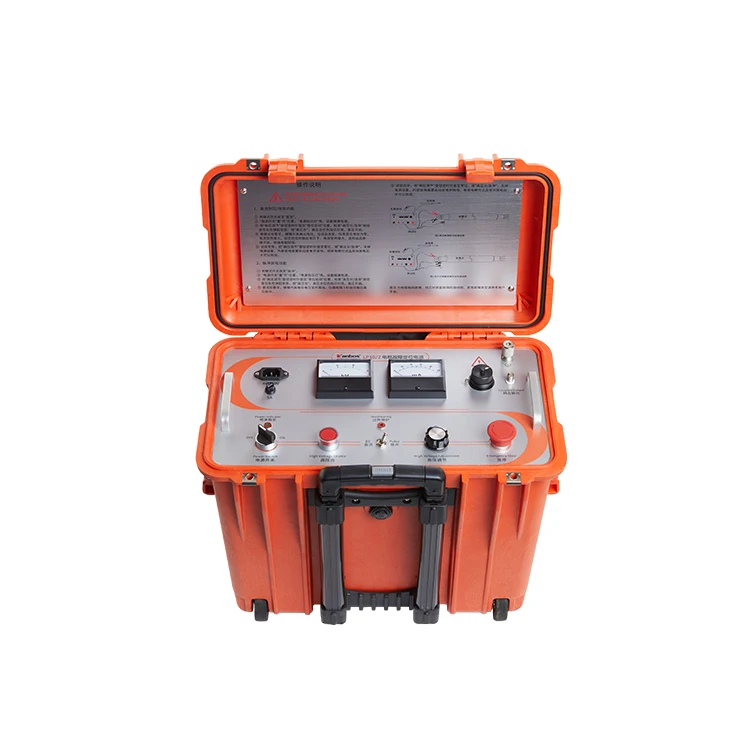
Choosing the right cable fault tester for underground power cable maintenance is a critical task for professionals in the electrical engineering and maintenance sectors. This comprehensive guide will help purchasing managers, engineers, and maintenance teams navigate the complexities of selecting a suitable cable fault detection, addressing key concerns such as reliability, accuracy, and cost. By the end of this article, you'll have a clearer understanding of how to choose the right cable fault tester for your specific needs, ensuring effective maintenance of underground power cables.
How to Choose the Right Cable Fault Tester for Your Needs?
When selecting a cable fault tester, you should consider several critical factors tailored to your specific requirements. First, assess the tester's functionality, such as its ability to locate faults accurately and efficiently within underground power cables. Look for models that offer multiple testing methods, such as time-domain reflectometry (TDR) and impedance measurement, as these provide more comprehensive fault analysis.
Next, evaluate the technical specifications of the tester. Key specifications include the measurement range, resolution, and accuracy. For instance, a tester with a higher voltage range may be necessary for high-voltage applications, while resolution affects the tester’s ability to pinpoint faults accurately. Additionally, consider usability features like display clarity, weight, and battery life, which can significantly impact the efficiency of field operations.
Lastly, think about the tester's compatibility with existing equipment and training requirements for your team. A model that integrates seamlessly with your current tools and requires minimal training can save time and resources during implementation.
Where to Find Reliable Suppliers for Cable Fault Testers?
Finding a reliable supplier for cable fault testers requires thorough research. Start by identifying manufacturers with a strong reputation in the industry, such as Tanbos, which has specialized in R&D and manufacturing of intelligent fault diagnosis equipment since 2007. Look for suppliers who offer a comprehensive range of models, ensuring you can find one that meets your specific needs.
Trade shows, industry expos, and online platforms like LinkedIn can be invaluable resources for connecting with potential suppliers. Networking within industry forums or groups can also lead to recommendations based on firsthand experiences. When assessing suppliers, pay attention to their customer service, return policies, and warranty offerings, as these factors can indicate their commitment to product quality and customer satisfaction.
Understanding Cost Factors in Cable Fault Tester Purchases
The cost of a cable fault tester can vary significantly based on several factors. First, the complexity of the testing technology plays a crucial role. Advanced models that utilize sophisticated technologies like TDR or advanced signal processing may come at a premium but offer greater accuracy and quicker fault detection.
Another significant consideration is the additional features and accessories included with the tester. Some best underground cable fault locator models come with enhanced software for data analysis, carrying cases, or additional probes, all of which can affect the overall price. It's essential to evaluate whether these extras align with your operational needs.
Lastly, remember to factor in the total cost of ownership. This includes initial purchase price, maintenance costs, and potential training expenses for your team. Analyzing these factors can help you make a more informed decision and avoid unexpected expenses down the line.
Common Problems with Cable Fault Testers and Their Solutions
Cable fault testers can encounter various issues that may hinder their performance. One common problem is calibration drift, where the tester's accuracy decreases over time due to environmental factors or wear. Regular calibration checks and maintenance can mitigate this issue, ensuring the tester remains reliable.
Another frequent concern is the sensitivity of the tester to external interference. High electromagnetic interference (EMI) environments can produce false readings. To counter this, opt for testers equipped with advanced filtering technology, which can help distinguish true fault signals from background noise.
Lastly, improper usage or misunderstanding of the testing equipment can lead to inaccurate results. Providing thorough training and user manuals can significantly reduce operator error. Ensuring your team is well-versed in the tester's capabilities and limitations will enhance overall efficiency and effectiveness in fault detection.
Applications of Cable Fault Testers in Underground Power Maintenance
Cable fault testers are essential tools in the maintenance of underground power systems, playing a vital role in ensuring the reliability of electrical infrastructure. These testers are used primarily for locating faults caused by insulation breakdown, moisture ingress, or physical damage to cables. By pinpointing the exact location of a fault, maintenance teams can minimize downtime and reduce repair costs.
Moreover, fault testers can also be employed during routine maintenance checks to assess the condition of cables before faults occur. This proactive approach can help identify potential issues early, allowing for timely repairs and reducing the risk of unexpected outages.
In addition, advanced models offer the capability to perform integrity testing on new installations, ensuring cables are installed correctly and function as intended before being put into service. This cable fault detector machine application is crucial for maintaining the reliability of underground power systems and ensuring safety standards are met.
effectively choosing the right cable fault tester for underground power cable maintenance involves a careful evaluation of functionality, supplier reliability, and cost factors. By understanding the common problems associated with these testers and their various applications, purchasing managers and maintenance teams can make informed decisions that enhance the efficiency and reliability of their electrical infrastructure.
Table of Contents
- How to Choose the Right Cable Fault Tester for Your Needs?
- Where to Find Reliable Suppliers for Cable Fault Testers?
- Understanding Cost Factors in Cable Fault Tester Purchases
- Common Problems with Cable Fault Testers and Their Solutions
- Applications of Cable Fault Testers in Underground Power Maintenance