EN
EN
 AR
AR HR
HR CS
CS NL
NL FR
FR DE
DE EL
EL HI
HI IT
IT JA
JA KO
KO NO
NO PL
PL PT
PT RO
RO RU
RU ES
ES SV
SV TL
TL IW
IW ID
ID SR
SR SK
SK UK
UK VI
VI ET
ET HU
HU TH
TH TR
TR FA
FA MS
MS GA
GA HY
HY AZ
AZ UR
UR BN
BN LA
LA MN
MN KK
KK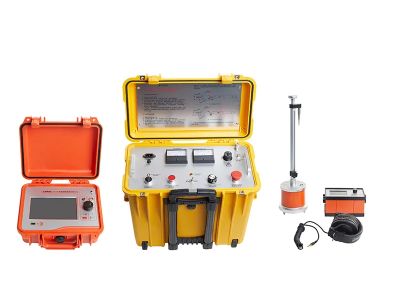
An underground pipe and cable detector is a crucial tool for contractors, designed to locate buried utilities and prevent accidental damage during excavation. Understanding why an underground pipe and cable detector is essential for contractors involves acknowledging the potential hazards and costs associated with unintentional strikes on underground utilities. This article will provide insights into selecting the right detection equipment, key specifications, quality evaluation, cost considerations, and real-world applications to assist purchasing managers and contractors in making informed decisions.
How to Choose the Right Underground Pipe and Cable Detector for Your Needs?
Choosing the right underground pipe and cable detector requires an understanding of your specific project requirements and the types of utilities you might encounter. Key considerations include the detection depth, the materials that need to be detected (e. g., plastic, metal, or non-metallic), and the operating environment. For instance, if your projects typically involve urban areas where various utilities coexist, a multi-frequency detector may be more suitable as it can differentiate between different types of signals. Additionally, consider the ease of use and the training requirements for your team. Some detectors come with advanced features such as GPS tracking and real-time data logging, which can enhance the efficiency of utility detection. Furthermore, assess the compatibility of the detector with any existing equipment or software you might be using. Contractors should also consider the manufacturer's support and training options, as this can significantly impact the effective use of the detector.
Key Specifications to Consider When Sourcing Detection Equipment
When evaluating underground pipe and cable detectors, certain specifications are critical. These include:
Detection Depth: The maximum depth at which a detector can find utilities. This varies widely, so assess your project needs and select a device that meets those requirements.
Frequency Range: Different frequencies are suited for different materials. Lower frequencies penetrate deeper but may not differentiate as well between various types of utilities, while higher frequencies provide more detail but have a shallower penetration.
Sensitivity: This affects the detector's ability to locate small or deep utilities. Higher sensitivity can help identify non-metallic utilities but may require additional tuning to avoid false positives.
Display and Interface: A clear, user-friendly display helps operators quickly interpret data and make informed decisions. Look for features like touchscreen interfaces or color displays that enhance visibility in various conditions.
Durability: Consider the environmental conditions in which the detector will be used. Look for rugged designs that can withstand harsh weather, dust, and rough handling.
By understanding these specifications, pipe and cable detector can make informed choices that align with their operational demands and enhance safety on the job site.
Evaluating the Quality of Pipe and Cable Detectors for Purchase Decisions
Quality evaluation is paramount when sourcing underground pipe and cable detectors. Start by examining the manufacturer's reputation and expertise. A company like Tanbos, with its specialization in the manufacturing of intelligent detection equipment, often indicates a commitment to quality and innovation.
Next, review customer testimonials and case studies that highlight real-world performance and reliability. Inquire about warranty periods and after-sales support, which can be indicators of the manufacturer's confidence in their product.
Additionally, consider certifications that the equipment may hold, such as compliance with international safety standards. This often reflects a rigorous quality control process during manufacturing. Request sample units for testing under actual job site conditions before committing to a bulk purchase, as this can reveal practical usability issues that may not be apparent from specifications alone.
Cost Factors to Consider When Investing in Detection Technology
When considering the cost of underground pipe and cable detectors, it’s important to look beyond the initial purchase price. Factors influencing the overall investment include:
Training and Support Costs: Some detectors come with extensive training programs that may require an additional investment. Understand the long-term value of training in maximizing the utility of the equipment.
Maintenance and Operational Costs: Consider the longevity of the detector and any recurring maintenance expenses. Durable units may have a higher upfront cost but can offer savings over time due to reduced repairs and replacements.
Customization Options: If your projects require specific capabilities, customization may increase the initial cost but can enhance functionality and precision in detecting utilities.
Potential Downtime Costs: A lower-cost detector that frequently malfunctions can lead to project delays and increased costs. Investing in high-quality, reliable equipment can mitigate these risks.
By evaluating these factors comprehensively, underground pipe and cable detector can ensure they are making a prudent investment that aligns with their operational needs and budget.
Real-World Applications of Pipe and Cable Detectors for Contractors
Underground pipe and cable detectors have a wide range of applications in various contracting projects. For instance, they are essential in construction, where avoiding damage to existing utilities can save significant costs and prevent project delays. The construction of roads, buildings, and infrastructure often requires precise utility mapping to plan excavations safely. In landscaping projects, these detectors help avoid disruption of underground irrigation systems or electrical lines, ensuring smooth project completion. Similarly, utility companies utilize these devices for maintenance and upgrades to existing infrastructures, allowing them to pinpoint issues without extensive digging. Moreover, in emergency situations, such as during natural disasters, these detectors allow for quick assessments of underground utility conditions, facilitating faster response times and safer recovery efforts. By integrating an underground pipe and cable detector into regular operations, contractors not only enhance safety but also improve project efficiency and reliability, ultimately leading to better client satisfaction and reduced liabilities. understanding the significance of underground pipe and cable detector, along with careful consideration of specifications, quality, costs, and applications, empowers contractors to make informed purchasing decisions that will enhance their operational effectiveness and safety on the job site.
Table of Contents
- How to Choose the Right Underground Pipe and Cable Detector for Your Needs?
- Key Specifications to Consider When Sourcing Detection Equipment
- Evaluating the Quality of Pipe and Cable Detectors for Purchase Decisions
- Cost Factors to Consider When Investing in Detection Technology
- Real-World Applications of Pipe and Cable Detectors for Contractors