EN
EN
 AR
AR HR
HR CS
CS NL
NL FR
FR DE
DE EL
EL HI
HI IT
IT JA
JA KO
KO NO
NO PL
PL PT
PT RO
RO RU
RU ES
ES SV
SV TL
TL IW
IW ID
ID SR
SR SK
SK UK
UK VI
VI ET
ET HU
HU TH
TH TR
TR FA
FA MS
MS GA
GA HY
HY AZ
AZ UR
UR BN
BN LA
LA MN
MN KK
KK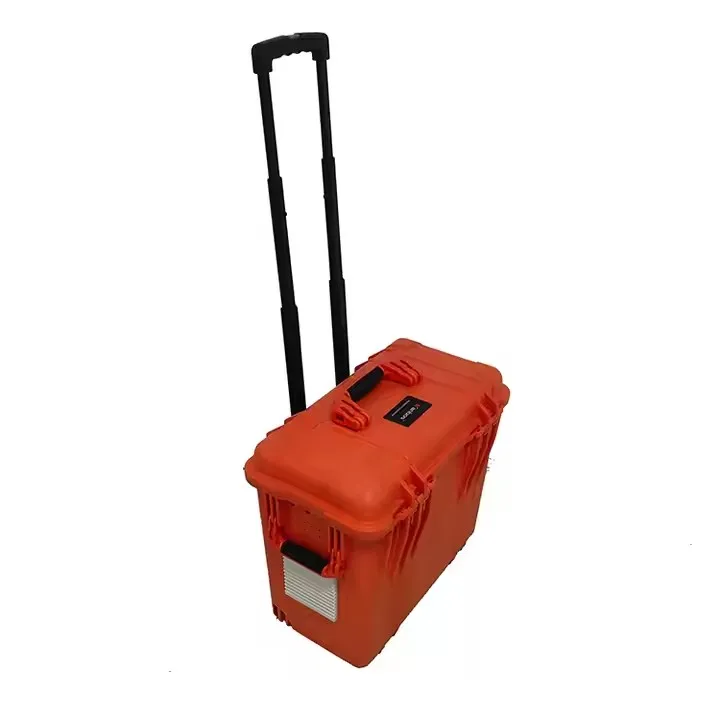
Cable fault testers are essential tools for identifying and diagnosing faults in electrical cables and overhead lines, especially during field operations. We will explore common troubleshooting issues and maintenance tips for cable fault detector, helping professionals such as purchasing managers, engineers, and technicians make informed purchasing decisions. We will also address key specifications, cost factors, application scenarios, and the critical features and benefits of these devices.
Key Specifications for Cable Fault Testers in Field Operations
When selecting a cable fault tester, certain specifications are crucial for ensuring optimal performance in field operations. Key specifications include:
Voltage Range: The voltage range indicates the maximum voltage the tester can handle, which is essential for compatibility with different cable systems. A tester with a higher voltage range can be used on various applications, minimizing the need for multiple testers.
Measurement Accuracy: The accuracy of measurements, usually expressed as a percentage, is vital for reliable fault detection. Higher accuracy helps in pinpointing issues more effectively, reducing downtime and maintenance costs.
Testing Methods: Common methods include Time Domain Reflectometry (TDR) and Low Voltage Testing. Each method has its applications; for example, TDR is excellent for locating faults over long distances, while low voltage testing is useful for assessing insulation integrity.
Data Logging Capability: Advanced testers come with data logging features that allow users to store and analyze test results over time. This can help in identifying recurring issues and optimizing maintenance schedules.
Understanding these specifications enables buyers to select a cable fault tester that meets their operational needs while ensuring reliability and efficiency in diagnosing faults.
What to Look for in Cable Fault Testers?
When evaluating cable fault testers, consider the following factors to ensure you choose the right tool for your needs:
Durability: Since field operations can be harsh, testers should be robust and resistant to environmental factors such as moisture, dust, and extreme temperatures. Look for devices with IP ratings that indicate their ingress protection level.
Ease of Use: A user-friendly interface is critical for efficient operation, especially in high-pressure situations. Features such as touch screens, intuitive menus, and clear displays can significantly enhance usability.
Portability: Lightweight and compact designs facilitate ease of transport and use in various job sites. Battery-operated options can also improve mobility, especially in remote locations.
Training and Support: Consider whether the manufacturer offers training programs and ongoing support to help your team effectively use the equipment. Proper training can minimize user errors and enhance the tester's utility.
By focusing on these aspects, purchasing managers can ensure they invest in a best underground cable fault locator that will provide reliable performance in various field conditions.
Cost Factors to Consider When Purchasing Cable Fault Testers
Several cost factors influence the overall investment in cable fault testers:
Initial Purchase Price: The upfront cost varies widely based on features, specifications, and brand reputation. While it may be tempting to choose the lowest-priced option, consider the long-term value and reliability of the equipment.
Maintenance and Calibration: Regular maintenance and calibration are vital to ensure accuracy and reliability. Factor in these ongoing costs when budgeting for your tester, as neglecting maintenance can lead to costly errors in the field.
Training Costs: If your team requires training to operate the tester effectively, include this in your budget. Investing in training can lead to better utilization of the equipment and reduced operational risks.
Warranty and Service Plans: Evaluate the warranty terms and service plans offered by the manufacturer. A longer warranty and comprehensive service can offset potential repair costs and provide peace of mind.
By considering these cost factors, buyers can make a more informed decision that aligns with their budget and operational needs.
Application Scenarios for Using Cable Fault Testers in the Field
Cable fault testers are used in various scenarios, making them invaluable tools in the electrical industry. Common application scenarios include:
Routine Maintenance: Regular testing of cables in operational environments helps identify potential issues before they escalate into major faults, reducing downtime and maintenance costs.
Fault Location: In the event of a cable failure, these testers can quickly pinpoint the fault location, enabling faster repairs and minimizing disruption to services.
Cable Replacement Projects: During projects involving the installation of new cables, testers can verify the integrity of existing lines to determine if they meet safety and performance standards.
Emergency Response: In emergencies, such as power outages caused by cable faults, having a reliable cable fault tester on hand allows technicians to diagnose and resolve issues swiftly.
Understanding these application scenarios helps buyers appreciate the versatility and necessity of cable fault testers in various operational contexts.
Features and Benefits Explained
When assessing cable fault testers, consider the following essential features and their benefits:
Advanced Fault Location Technology: Features like TDR and advanced algorithms improve the speed and accuracy of fault detection, reducing the time technicians spend diagnosing issues in the field.
User-Friendly Interfaces: Intuitive controls and graphical displays simplify operation, allowing technicians of varying skill levels to use the equipment effectively.
Data Analysis Tools: Built-in data logging and analysis tools help track performance over time, providing insights that can lead to improved maintenance strategies and equipment reliability.
Multi-Functionality: Many testers combine several testing methods in one device, providing versatility and reducing the need for multiple pieces of equipment.
These features not only enhance the efficiency of 11kv cable fault locator but also contribute to better decision-making in maintenance and repair strategies.
In summary, understanding common troubleshooting issues and maintenance tips for cable fault testers is vital for ensuring effective field operations. By focusing on key specifications, essential features, and practical applications, purchasing managers and engineers can make informed decisions that enhance operational efficiency and reliability in diagnosing cable faults.