A company of Xianheng international
 EN
A company of Xianheng international
EN
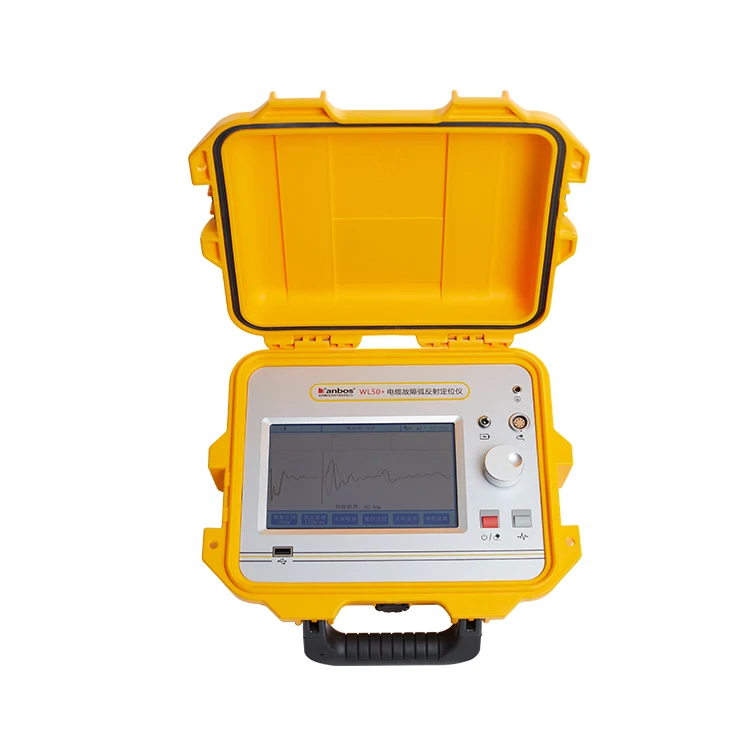
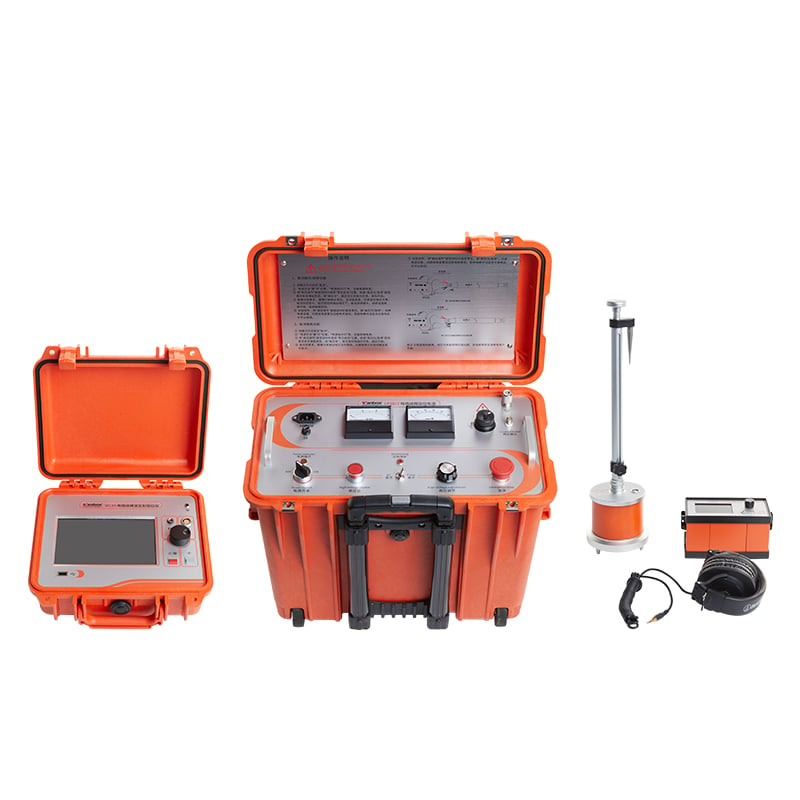
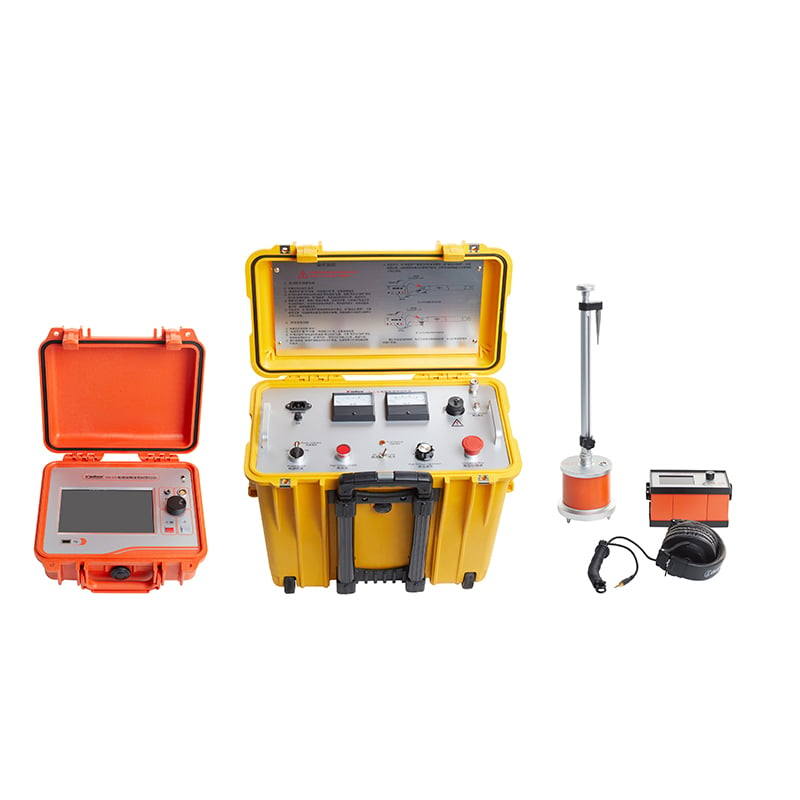
Choosing the right cable drum is essential for ensuring efficient cable management and safe operation in various industrial applications. A cable drum serves as a storage and transport solution for cables, allowing for easy handling and deployment. B2B buyers, including purchasing managers and engineers, often face concerns related to product specifications, application suitability, and potential issues during operation. This article aims to provide detailed insights into selecting the appropriate cable fault locator while addressing common buyer questions to facilitate informed purchasing decisions.
When selecting a cable drum, buyers should consider multiple factors that align with their specific wholesale needs. First, evaluate the type of cables you will be storing or transporting. Different applications require varying drum sizes and capacities. For instance, heavy-duty cables used in construction may necessitate robust drums capable of supporting higher weights and preventing damage.
Additionally, the material of the cable drum is crucial. Common materials include steel, aluminum, and fiberglass, each offering distinct advantages. Steel drums are durable and ideal for heavy-duty applications, while aluminum drums are lightweight and resistant to corrosion, making them suitable for outdoor use. Fiberglass drums provide excellent insulation and are often used in electrical applications.
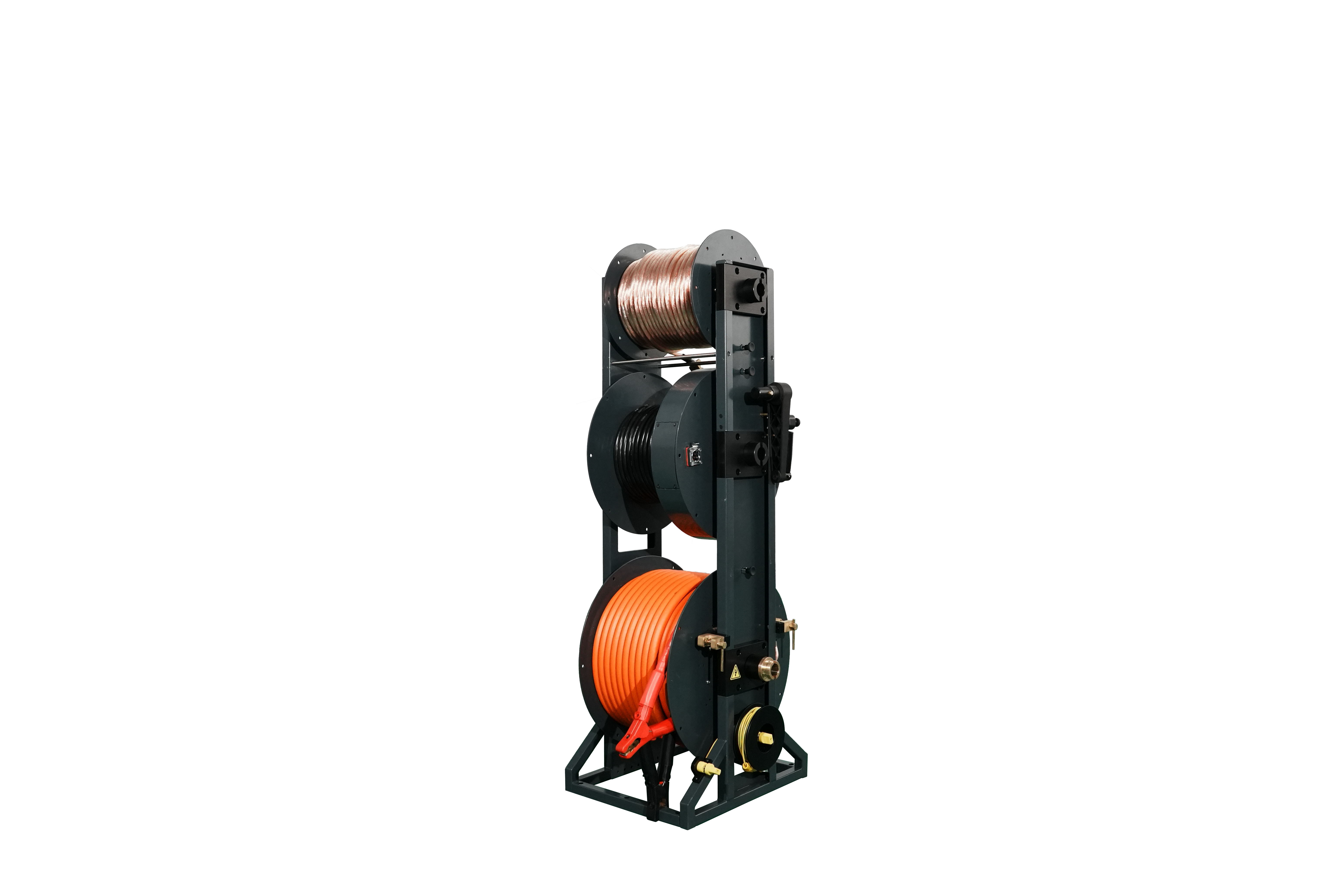
Another vital consideration is the drum's design. Open drums allow for quick access and efficient cable unwinding, while closed or enclosed designs offer better protection against environmental factors. Depending on the intended use and storage conditions, selecting the appropriate design can significantly impact efficiency and safety.
When sourcing cable drums, several key specifications should be considered to ensure compatibility with your cables and operational requirements:
Diameter and Width: The drum’s diameter and width influence the amount of cable that can be stored. A larger diameter reduces the risk of kinks and damage to the cable, while adequate width ensures stability during transportation.
Load Capacity: Understand the maximum load capacity of the drum. This specification is critical, especially when transporting heavy cables. Exceeding the load capacity can lead to safety hazards and equipment failure.
Material Thickness: The thickness of the drum walls affects durability and impact resistance. Thicker walls generally provide better protection against physical damage but may add weight.
Reel Type: Determine whether you need a fixed or removable reel. Removable reels offer flexibility for transportation and storage, while fixed reels provide stability during operation.
Surface Treatment: Consider the surface treatment of the drum. Coatings can enhance corrosion resistance and improve the drum's lifespan, particularly in harsh environments.
Connection Points: Evaluate whether the drum has adequate connection points for securing cables and facilitating easy handling.
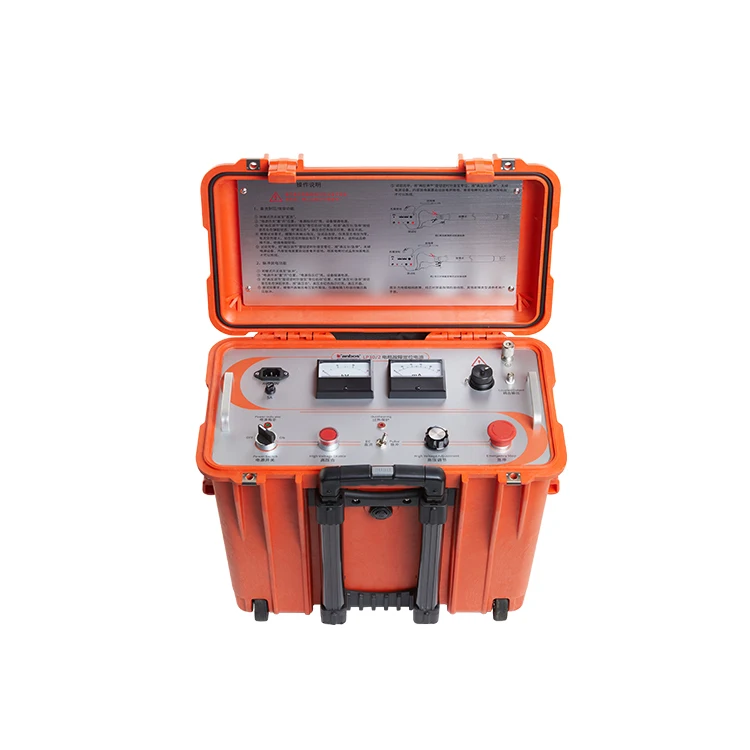
By carefully assessing these specifications, buyers can select a cable fault locator machine that meets their operational needs and enhances overall efficiency.
Before making a purchase, buyers should gather detailed information to ensure they select the right cable drum for their applications. Start by defining the specific requirements based on your operational environment, such as temperature ranges, exposure to moisture, and potential chemical interactions. For instance, if the drum will be used outdoors, materials that resist corrosion and UV damage are paramount.
Buyers should also inquire about customization options. Many manufacturers, including Tanbos, offer tailored solutions to meet unique specifications, such as custom dimensions, materials, and branding. Customization can enhance compatibility with existing equipment and improve overall functionality.
Additionally, understanding the minimum order quantity (MOQ) and lead time is essential for planning. Some suppliers may have strict MOQs that could affect purchasing decisions, especially for smaller businesses. Knowing lead times helps in managing inventory and ensuring that production schedules are met.
Lastly, establishing a relationship with a reputable supplier is crucial. Evaluate potential suppliers based on their manufacturing capabilities, quality control processes, and experience in the industry. Reliable suppliers like Tanbos will provide documentation, such as certifications and quality assurance reports, to instill confidence in their products.
Despite their utility, cable drums can encounter several common issues that buyers should be aware of:
Cable Damage: Improper winding or tension can lead to cable damage. To mitigate this risk, ensure that the drum is appropriately sized for the cable type and that it is wound correctly. Regular inspections can help identify issues early.
Corrosion: Exposure to moisture can cause corrosion, especially in metal drums. To prevent this, select drums with protective coatings or opt for corrosion-resistant materials, such as aluminum or fiberglass.
Structural Failure: Overloading a cable drum can lead to structural failure. Always adhere to the manufacturer's specifications regarding load capacity and regularly assess the drum's condition for signs of wear and tear.
Operational Inefficiencies: Using the wrong type of drum for your application can hinder performance. Ensure that the drum design aligns with your operational needs—whether requiring easy unwinding, stacking capabilities, or secure storage.
By proactively addressing these issues, buyers can enhance the longevity and reliability of their electrical cable fault detector systems.
As an innovative technology enterprise, we integrate R&D, technical training, application support, and sales to provide a comprehensive, end-to-end solution for cable diagnostics.
We concentrate our efforts on developing cutting-edge cable diagnostic technologies, enabling precise early warning and reliable fault diagnosis for enhanced grid safety and efficiency.
With over 15 years of focused experience in cable detection and testing since 2007, we have built deep expertise in the R&D and manufacturing of intelligent early-warning and fault-diagnosis equipment for cables and overhead lines.
Positioned as "Cable Diagnostic Experts at Your Side," we provide professional, trusted technology and support to clients, backed by strong industry credibility and a track record of innovation.
Comparing different cable drum options is essential for making an informed purchasing decision. Here are practical steps to facilitate this process:
Create a Specification Checklist: Develop a checklist based on the specifications discussed earlier, including diameter, load capacity, material, and design. This checklist will help streamline comparisons across different products.
Request Samples: Before committing to a bulk order, consider requesting samples from potential suppliers. Testing samples in real-world conditions can reveal compatibility with your equipment and operational processes.
Gather Feedback: If possible, consult with other users or industry professionals regarding their experiences with specific brands or models. User feedback can provide valuable insights into performance, durability, and potential issues.
Evaluate Supplier Reliability: Assess suppliers based on their manufacturing capabilities, delivery performance, and customer service. A reliable supplier like Tanbos will not only provide quality products but also support you with timely information and assistance.
Consider Total Cost of Ownership: Beyond the initial purchase price, factor in potential long-term costs, including maintenance, replacement, and any operational inefficiencies that may arise from using lower-quality drums.
By following these steps, buyers can confidently compare and select the most suitable cable drum options for their projects, ensuring they make a sound investment that meets their operational requirements.
 AR
 HR
 CS
 NL
 FR
 DE
 EL
 HI
 IT
 JA
 KO
 NO
 PL
 PT
 RO
 RU
 ES
 SV
 TL
 IW
 ID
 SR
 SK
 UK
 VI
 ET
 HU
 TH
 TR
 FA
 MS
 GA
 HY
 AZ
 UR
 BN
 LA
 MN
 KK