A company of Xianheng international
 EN
A company of Xianheng international
EN
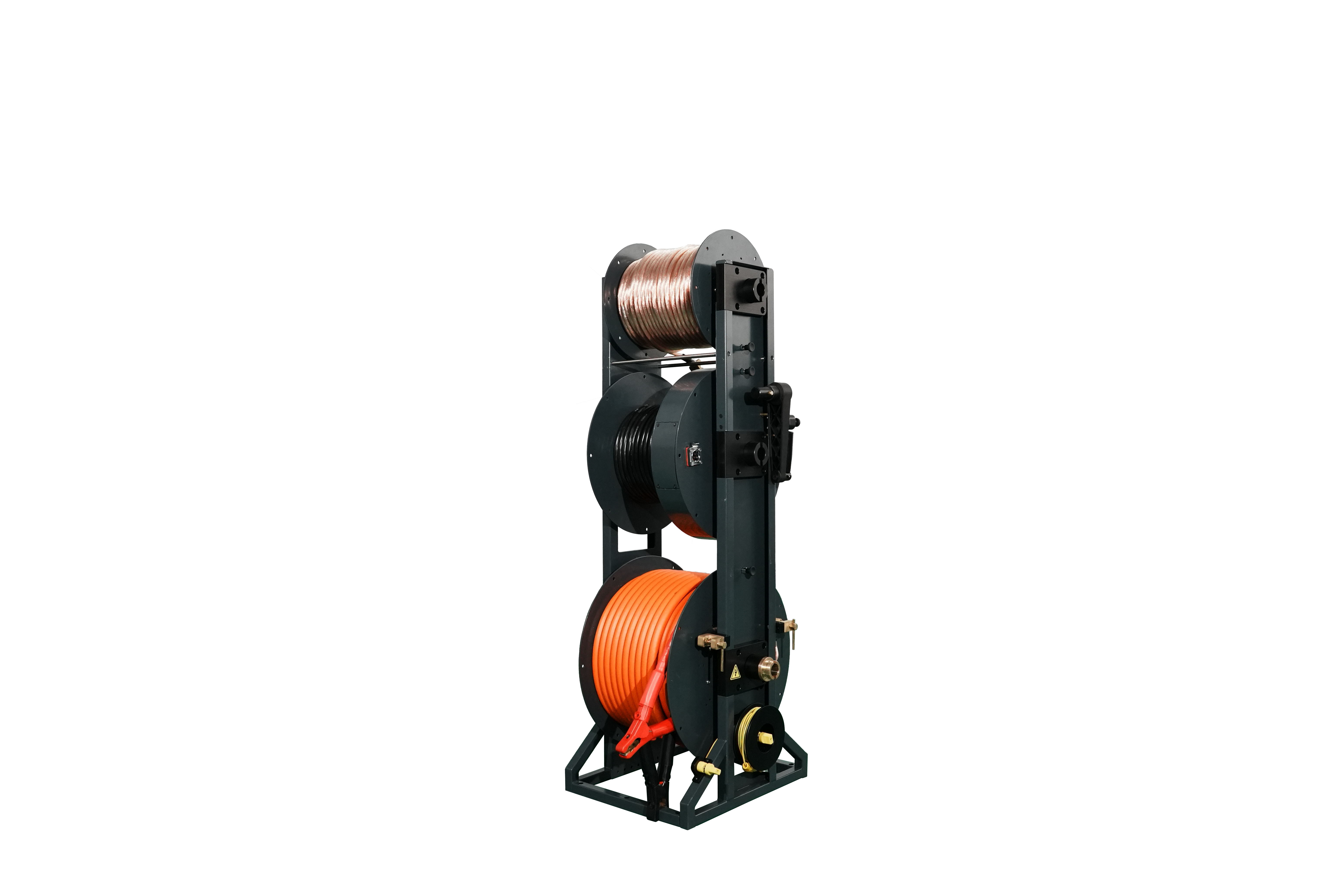
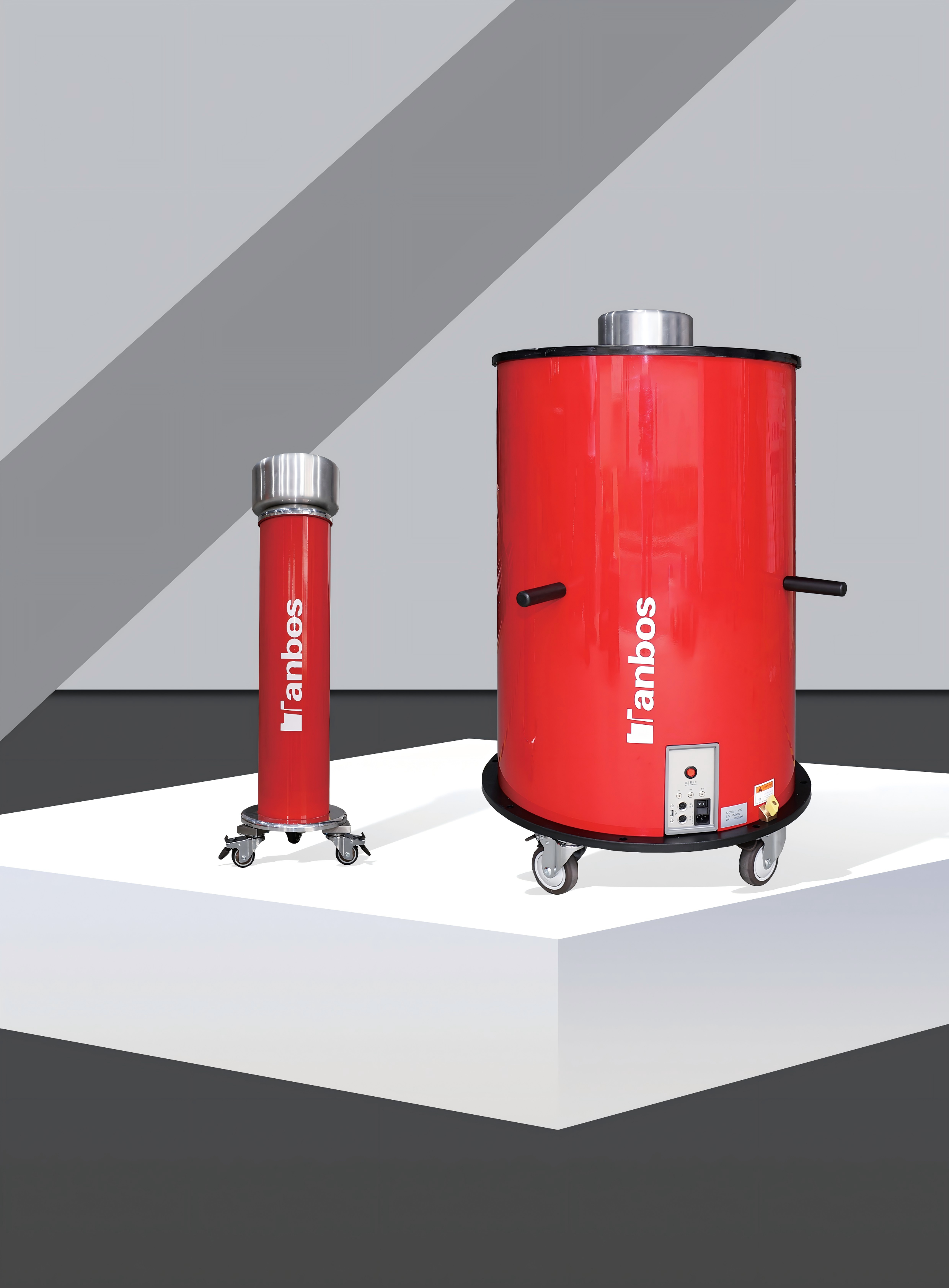
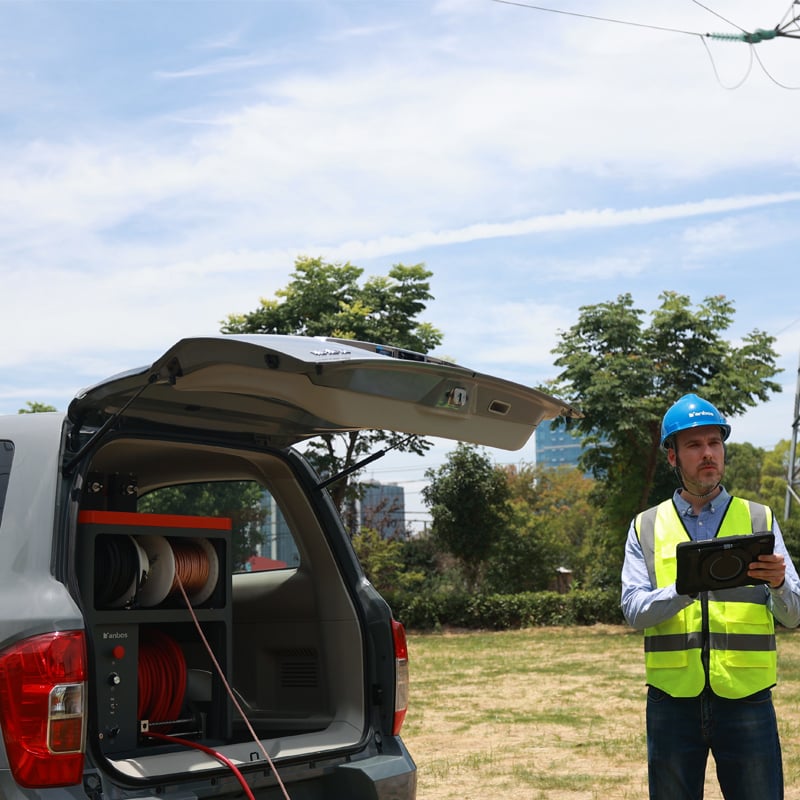
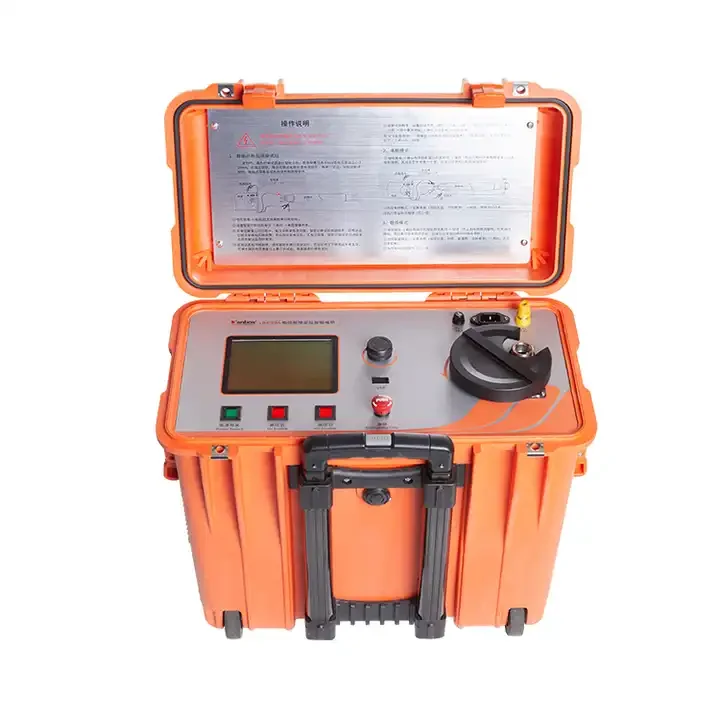
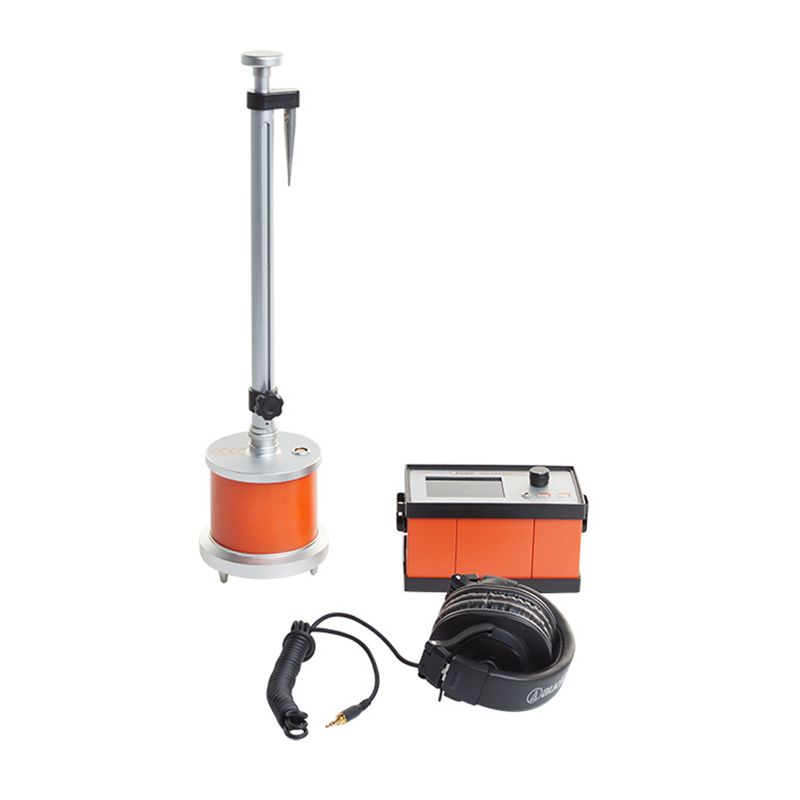
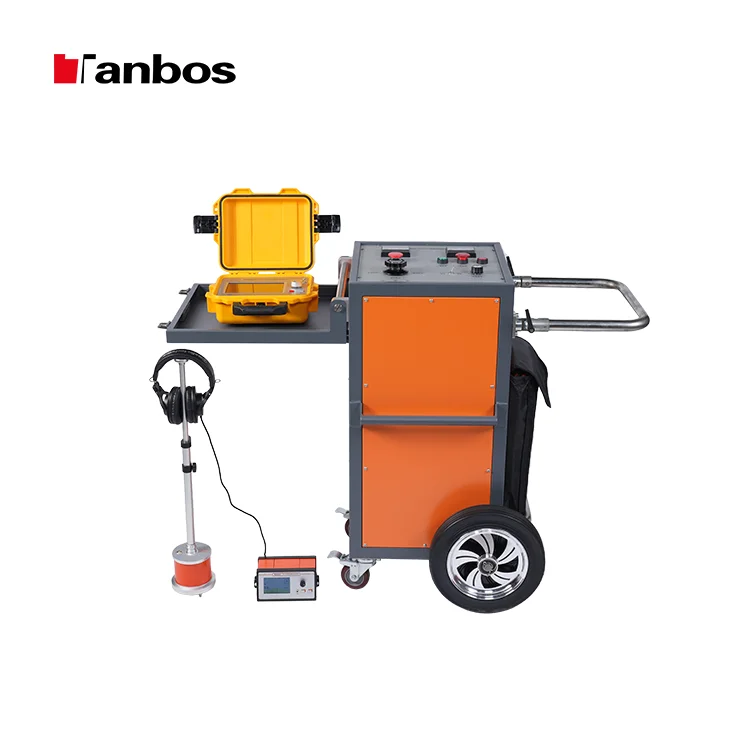
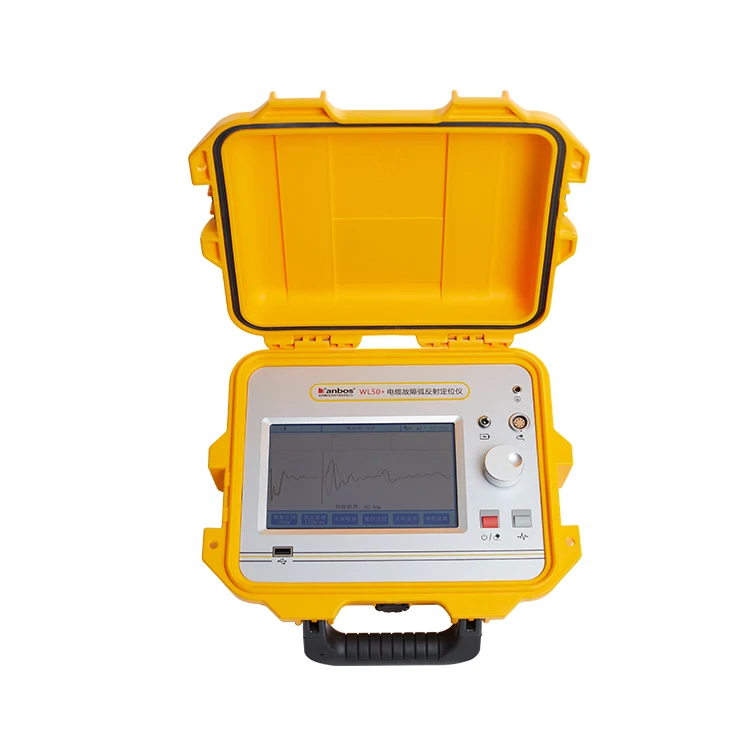
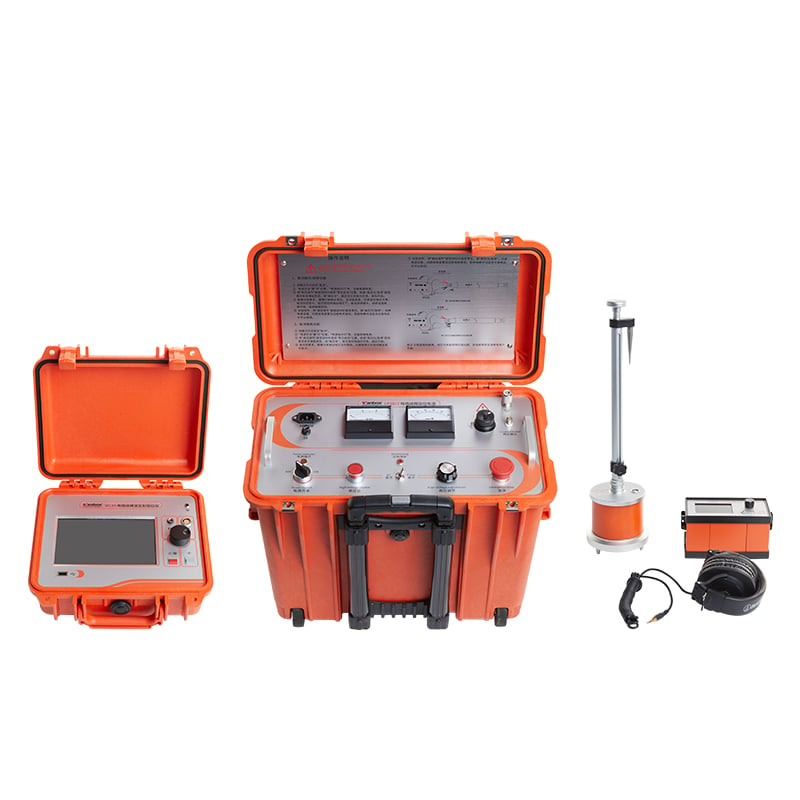
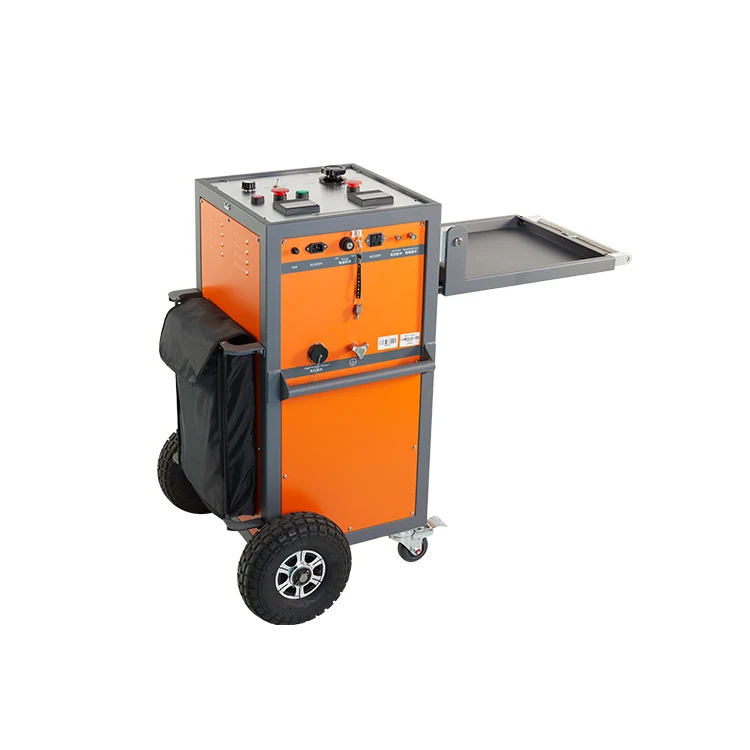
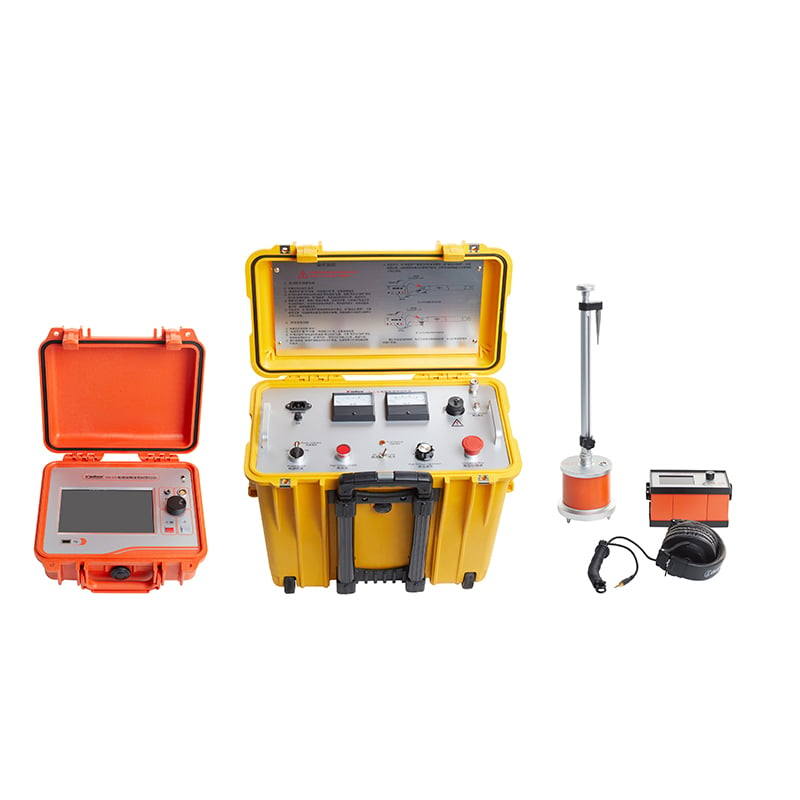
Cable fault location equipment is critical for identifying and diagnosing faults in electrical cables and overhead lines. This specialized technology is vital for ensuring the reliability of electrical infrastructure, minimizing downtime, and enhancing safety. B2B buyers, including purchasing managers and engineers, often seek such equipment to improve operational efficiency and reduce maintenance costs. We will delve into essential aspects of cable fault location equipment, including specifications, sourcing, installation guidance, common problems, and applications across various industries.
When evaluating cable fault location equipment, buyers should focus on several essential specifications that impact performance and application. Key specifications include:
Detection Range: This refers to the maximum distance the equipment can effectively identify faults. A broader detection range is crucial for large installations or overhead lines, ensuring that all potential faults can be assessed without needing multiple devices.
Accuracy: The precision of fault location is paramount. Equipment should provide reliable measurements to avoid unnecessary digging or repair work. Buyers should look for equipment with a high accuracy rating, often expressed in meters or percentage of the total distance.
Response Time: This indicates how quickly the device can detect faults. Faster response times can significantly reduce downtime in critical operations.
Compatibility: The equipment must be compatible with various cable fault, including low and high voltage cables. Buyers should confirm that the device can handle the specific types of cables used in their operations.
User Interface: An intuitive user interface can facilitate quicker training and operation, minimizing errors during usage. Features such as touch screens and clear graphical displays can enhance usability.
Durability and Environmental Resistance: Given that cable fault location equipment may be used in harsh environments, it's important to consider materials that provide resistance to moisture, dust, and extreme temperatures.
When sourcing equipment, be sure to request detailed specifications from suppliers to ensure the equipment meets your operational needs.
Sourcing cable fault location equipment requires evaluating suppliers based on their reliability, product range, and support services. Here are several avenues to consider:
Direct Manufacturers: Engaging directly with manufacturers like Tanbos can yield better pricing and customization options. Manufacturers often provide comprehensive technical support and are familiar with the equipment’s capabilities and limitations.
Authorized Distributors: Distributors can offer a range of products from various manufacturers, providing a one-stop-shop experience. They often hold stock for immediate delivery, which can be beneficial for urgent requirements.
Industry Trade Shows and Exhibitions: Attending trade shows allows buyers to see the equipment in action, compare different models, and speak directly with manufacturers and distributors. This can help in making informed purchasing decisions.
Online Marketplaces: Platforms like Alibaba or industry-specific sites can be useful for bulk orders, but buyers should exercise caution. It's essential to verify the supplier's credibility and read reviews from other buyers.
Industry Networks and Referrals: Leveraging industry contacts can provide insights into reputable suppliers and their experiences with specific equipment. Recommendations from trusted sources can be invaluable.
When placing bulk orders, be prepared to discuss your specific requirements, including expected volume, delivery timelines, and any customization needed.
Proper installation of cable fault location equipment is crucial for maximizing its effectiveness. Here are key considerations:
Site Preparation: Ensure the site is clear of debris and accessible for both installation and operation. This includes having adequate power supply and environmental protection measures in place.
Calibration: Before first use, the equipment should be calibrated according to the manufacturer’s specifications. Calibration ensures accurate readings and reliable fault detection.
Training: Operators should receive adequate training on the equipment’s features and functions. This includes understanding the user interface, interpreting results, and conducting routine maintenance checks.
Regular Maintenance: Establish a maintenance schedule based on usage frequency. This may include cleaning, software updates, and battery checks to ensure optimal performance.
Testing: After installation, conduct a series of tests to confirm that the equipment operates correctly and that the operators are proficient in its use.
By following these guidelines, users can ensure that the cable fault detection location equipment operates efficiently, leading to timely fault identification and reduced downtime.
Despite advancements in technology, users may encounter common challenges when using cable fault location equipment. Here are some problems and their solutions:
Inaccurate Fault Location: If the equipment consistently provides inaccurate readings, it may need recalibration. Ensure the equipment is used in the proper conditions as specified by the manufacturer, such as avoiding interference from other electrical sources.
Equipment Malfunction: Regular maintenance is crucial. Users should perform routine checks and maintenance as per the manufacturer’s guidelines. If malfunction occurs, consult the manufacturer for troubleshooting tips or repairs.
Operator Error: Inexperienced users may misinterpret readings. Regular training sessions can help improve operator proficiency, leading to more accurate fault detection.
Environmental Interference: Environmental factors such as moisture or electromagnetic interference can impact readings. Using equipment with enhanced environmental resistance can mitigate these effects.
Insufficient Power Supply: Ensure that the equipment is used with a stable power source. Fluctuating power can lead to unreliable readings and equipment performance.
Addressing these common problems proactively can improve the efficiency and reliability of cable fault location operations.
With over 15 years of focused experience in cable detection and testing since 2007, we have built deep expertise in the R&D and manufacturing of intelligent early-warning and fault-diagnosis equipment for cables and overhead lines.
Positioned as "Cable Diagnostic Experts at Your Side," we provide professional, trusted technology and support to clients, backed by strong industry credibility and a track record of innovation.
As an innovative technology enterprise, we integrate R&D, technical training, application support, and sales to provide a comprehensive, end-to-end solution for cable diagnostics.
We concentrate our efforts on developing cutting-edge cable diagnostic technologies, enabling precise early warning and reliable fault diagnosis for enhanced grid safety and efficiency.
Cable fault location equipment serves a wide range of industries, each with unique applications:
Utilities and Power Generation: Used extensively for maintaining electrical grids, ensuring that faults in overhead lines and underground cables are quickly identified and repaired to minimize outages.
Telecommunications: In telecom networks, cable fault location equipment is used to detect issues in fiber optic and copper cables, ensuring uninterrupted service for customers.
Transportation: Railways and airports utilize this technology to maintain power supply cables and communication lines, crucial for operational safety and efficiency.
Manufacturing: In manufacturing facilities, particularly those with automated systems, reliable cable fault detector detection is essential to prevent production downtime and ensure safety.
Construction: During construction projects, cable fault location equipment is used to avoid damage to existing underground utilities, facilitating safer excavation practices.
By understanding the applications relevant to their specific industry, buyers can make informed decisions about the type of cable fault location equipment that will best meet their operational needs.
 AR
 HR
 CS
 NL
 FR
 DE
 EL
 HI
 IT
 JA
 KO
 NO
 PL
 PT
 RO
 RU
 ES
 SV
 TL
 IW
 ID
 SR
 SK
 UK
 VI
 ET
 HU
 TH
 TR
 FA
 MS
 GA
 HY
 AZ
 UR
 BN
 LA
 MN
 KK