A company of Xianheng international
 EN
A company of Xianheng international
EN
Understanding the intricacies of a cable fault location system is essential for businesses in the manufacturing, engineering, and utility sectors. These systems are crucial for detecting and diagnosing issues in electrical cables and overhead lines, helping organizations maintain operational efficiency and safety. As a purchasing manager or engineer, you may be concerned about the system's reliability, performance specifications, and overall cost-effectiveness. This article will guide you through the key aspects of selecting a suitable cable fault location system, ensuring that you make an informed decision tailored to your needs.
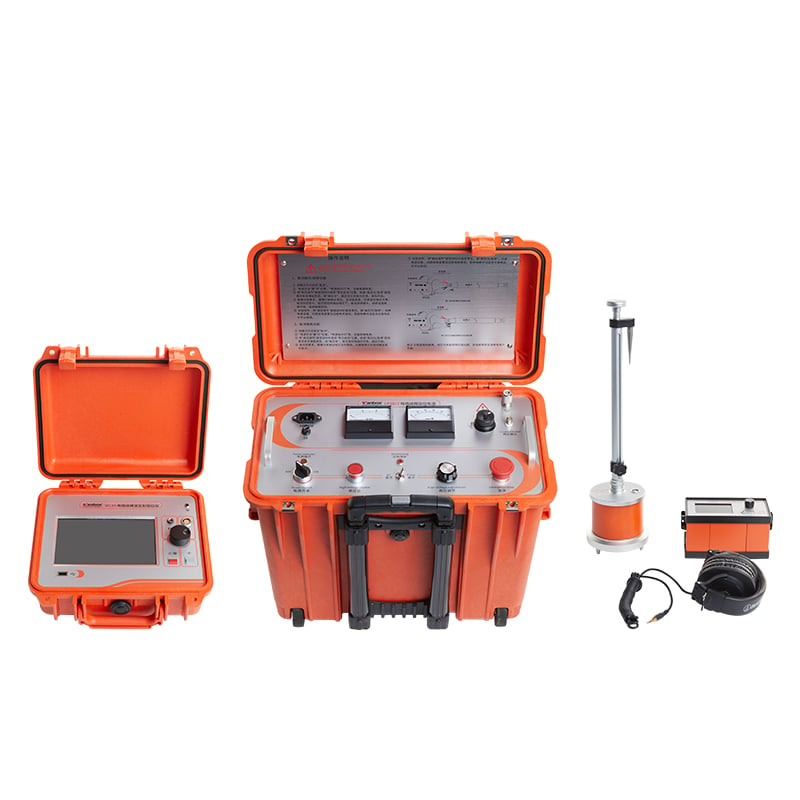
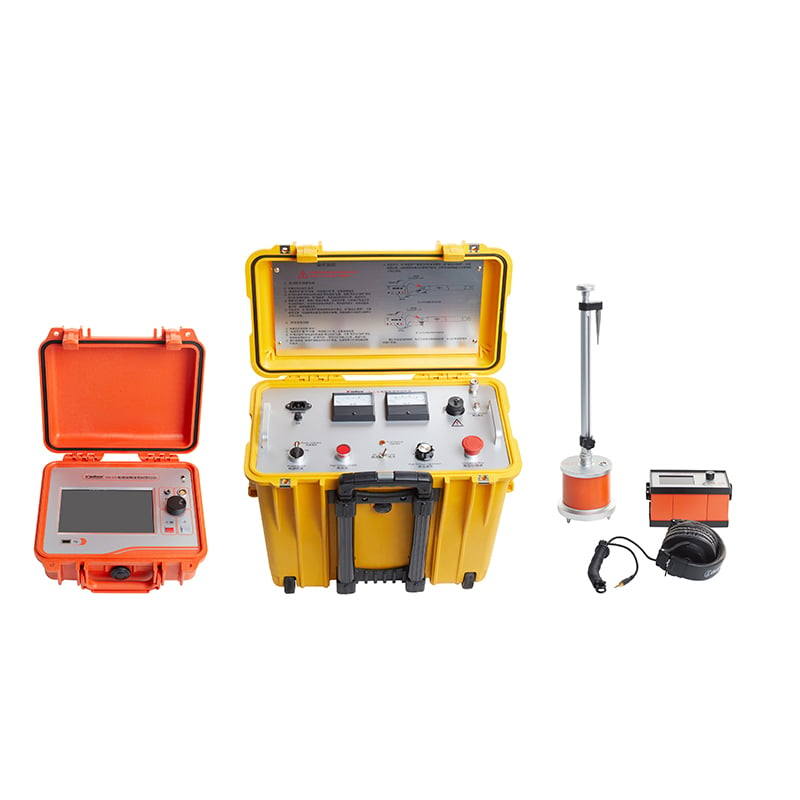
Selecting the right cable fault location system begins with understanding your operational requirements. Start by assessing the type of cables you work with—are they underground or overhead? Different systems may excel in different environments. You should also consider the typical faults encountered in your installations, such as short circuits or insulation failures, as these factors can influence the technology you need.
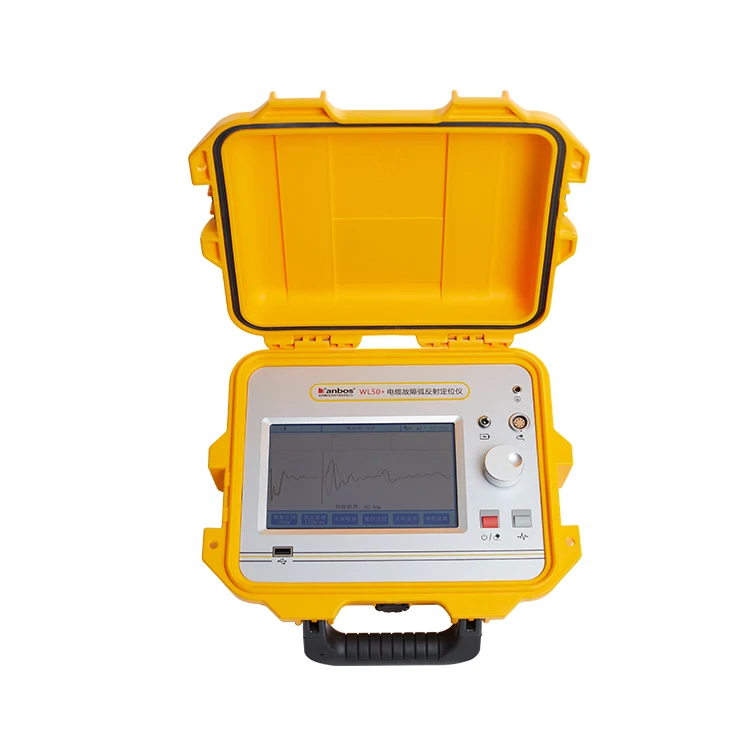
Next, evaluate the technology used in the fault location system. Modern systems often incorporate advanced features such as time-domain reflectometry (TDR) and frequency-domain reflectometry (FDR), which enhance the precision of fault detection. You should also consider user-friendliness; a system with an intuitive interface can save valuable time during troubleshooting.
Lastly, think about scalability and integration. As your operations expand, your fault location system should adapt accordingly. Choose a cable fault locator supplier that offers customization options to accommodate future needs, which can be a significant advantage in ensuring long-term investment viability.
When evaluating cable fault location systems, several key specifications are essential:
Detection Range: The distance over which the system can accurately locate a fault is critical. Ensure that the system's range aligns with the lengths of cables typically used in your operation.
Accuracy: The system's fault location accuracy is vital for minimizing downtime. Look for cable fault locator machine that provide specific metrics on their fault location precision, usually measured in meters.
Response Time: A fast response time is essential for effective troubleshooting. Systems that can quickly identify faults will help reduce operational disruptions.
Data Logging Capabilities: Systems that can log data over time allow for better analysis of recurring issues and trends, which can lead to improved maintenance practices.
Durability and Environmental Ratings: If your operations involve harsh conditions, ensure that the system is rated for moisture, dust, and temperature extremes. This will enhance its reliability and lifespan.
Compatibility: Ensure that the system is compatible with your existing infrastructure and any monitoring or management systems in place.
Understanding these specifications allows you to make a more informed decision based on how well the system will meet your specific operational needs.
Finding reputable suppliers for cable fault location systems involves a few strategic steps. Begin by researching manufacturers with a strong track record in the industry, ideally those that have specialized in this technology for several years. Look for companies that provide detailed product information, including specifications, case studies, and customer testimonials.
Trade shows and industry conferences are excellent venues for discovering new suppliers and viewing their products first-hand. These events often feature demonstrations, allowing you to assess the equipment's capabilities in real-world scenarios.
Additionally, consider online industry forums and professional networks where peers share their experiences with various suppliers. Gaining insights from other professionals can help you identify trusted manufacturers who have provided satisfactory solutions to similar challenges.
Lastly, don't hesitate to request references or case studies from potential suppliers. A manufacturer like Tanbos, with a specialization in intelligent fault diagnosis equipment since 2007, can offer valuable insights based on their experience and product performance in the field.
Despite their advanced technology, cable fault location systems can encounter several common problems:
Inaccurate Fault Localization: This can occur due to environmental factors or signal interference. To mitigate this, ensure that the system is calibrated correctly and that regular maintenance checks are performed.
Data Loss or Corruption: In systems that rely on software, data loss can be an issue. Regularly back up data and ensure that the software is updated to the latest version to avoid potential bugs.
User Errors: Many faults can arise from operator mistakes. Comprehensive training programs provided by the supplier can significantly reduce the likelihood of user error and enhance overall system effectiveness.
Integration Issues: Sometimes, new systems may not integrate well with existing infrastructure. Conduct thorough compatibility assessments before purchasing and work with suppliers who offer robust support during the integration process.
By being aware of these potential issues and taking proactive measures, you can enhance the reliability and effectiveness of your cable fault location system.
As an innovative technology enterprise, we integrate R&D, technical training, application support, and sales to provide a comprehensive, end-to-end solution for cable diagnostics.
With over 15 years of focused experience in cable detection and testing since 2007, we have built deep expertise in the R&D and manufacturing of intelligent early-warning and fault-diagnosis equipment for cables and overhead lines.
Positioned as "Cable Diagnostic Experts at Your Side," we provide professional, trusted technology and support to clients, backed by strong industry credibility and a track record of innovation.
We concentrate our efforts on developing cutting-edge cable diagnostic technologies, enabling precise early warning and reliable fault diagnosis for enhanced grid safety and efficiency.
Investing in advanced cable fault location technology offers multiple advantages that can significantly improve your operational efficiency:
Increased Accuracy: Advanced systems utilize sophisticated algorithms and measurement techniques to pinpoint faults with high precision, reducing time spent on locating issues.
Enhanced Safety: By quickly identifying faults, these systems help prevent electrical hazards, safeguarding employees and equipment.
Cost Efficiency: Reduced downtime due to faster fault detection translates to lower operational costs. The ability to address problems before they escalate can also diminish repair expenses.
Data Analytics: Many modern systems offer data logging and analytics features, providing valuable insights into cable performance over time. This data can inform maintenance schedules and help predict future issues.
User-Friendly Interfaces: Advanced technologies often come with intuitive interfaces that simplify operation, making it easier for technicians to use the system effectively without extensive training.
By leveraging these advantages, businesses can achieve substantial improvements in both safety and productivity, ultimately leading to a stronger bottom line.
In summary, selecting the right cable fault location system requires a careful evaluation of your operational needs, key specifications, and reliable suppliers. By understanding common challenges and the benefits of advanced technology, you can make informed decisions that enhance your organization’s efficiency and safety.
 AR
 HR
 CS
 NL
 FR
 DE
 EL
 HI
 IT
 JA
 KO
 NO
 PL
 PT
 RO
 RU
 ES
 SV
 TL
 IW
 ID
 SR
 SK
 UK
 VI
 ET
 HU
 TH
 TR
 FA
 MS
 GA
 HY
 AZ
 UR
 BN
 LA
 MN
 KK