A company of Xianheng international
 EN
A company of Xianheng international
EN
Cable fault locators are essential tools for diagnosing and repairing electrical cable issues, providing significant benefits to industries reliant on efficient power distribution. When searching for cable fault locator companies, B2B buyers—such as purchasing managers, electrical engineers, and product managers—often have specific concerns regarding product quality, reliability, and the supplier's ability to meet their unique operational needs. This article aims to guide you through the critical factors to consider when selecting a cable fault locator supplier, evaluating product quality, addressing common problems, and identifying reputable companies in the market.
Selecting the right cable fault locator supplier involves assessing multiple factors, including the supplier's expertise in the field, the technology used in their products, and their ability to provide comprehensive support. Look for suppliers with a proven track record in manufacturing and R&D, as experience often correlates with reliability and product quality.
Additionally, consider whether the supplier offers training and technical support. For instance, at Tanbos, we understand that successful implementation of cable fault locators requires not just the right equipment, but also the knowledge to use it effectively. Evaluate the supplier's commitment to ongoing training and customer support, which can be crucial for ensuring that your team can operate the equipment efficiently and resolve any issues that may arise.
When assessing the quality of cable fault locators, several specifications and features should be carefully evaluated. Key considerations include:
Detection Technology: Different technologies (such as time-domain reflectometry, acoustic emission, or impedance) offer varying advantages based on the type of cable and fault being diagnosed. Understanding the strengths and limitations of these technologies will help you choose a locator that meets your specific application needs.
Durability and Build Quality: The construction of the locator should be robust enough to withstand the environmental conditions it will encounter. Look for products made from high-quality materials that can endure rough handling and exposure to various environmental factors.
Calibration and Accuracy: Ensure the locator has a reputation for high accuracy in identifying faults. Check for any certifications or testing that the product has undergone to validate its performance. You might want to inquire about the calibration process and how often the equipment needs to be recalibrated to maintain accuracy.
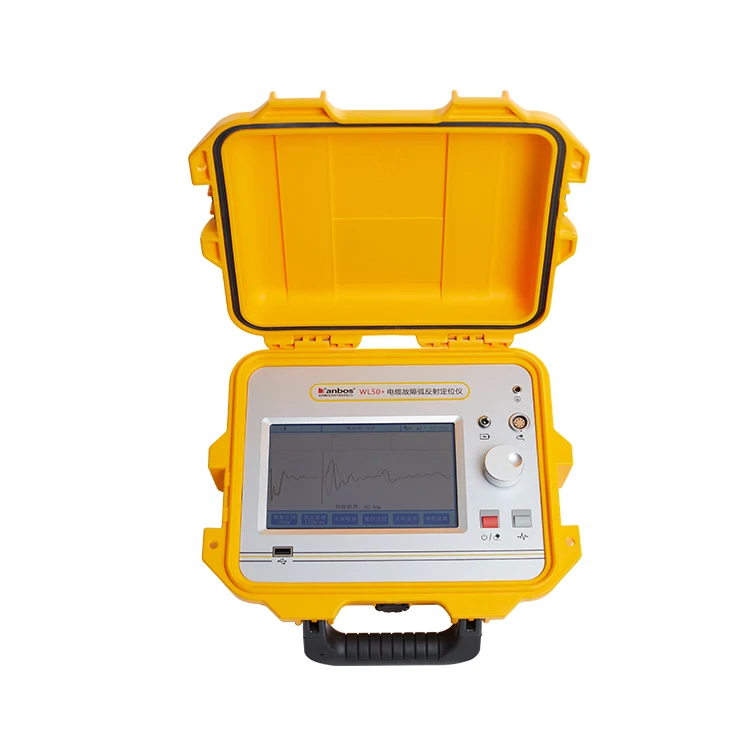
User Interface and Portability: A user-friendly interface can significantly reduce the learning curve for your team. Additionally, consider the weight and portability of the high voltage cable fault locator, especially if it will be used in various locations.
Warranty and Support: A strong warranty can serve as an assurance of quality. Ensure that the supplier offers adequate support in case of malfunctions or issues after purchase.
When using cable fault locators, users may encounter several common problems. Understanding these issues and their solutions can enhance the effectiveness of your equipment:
Signal Interference: External electromagnetic interference can affect the accuracy of readings. To mitigate this, ensure that the locator is properly grounded and consider using shielding techniques when testing in high-interference environments.
Calibration Errors: If the locator is not properly calibrated, it may produce inaccurate results. Regular calibration checks should be scheduled, and users should be trained to recognize signs of calibration drift.
Incompatibility with Cable Types: Some locators may not be suitable for specific types of cables or faults. Before purchasing, confirm that the locator is compatible with the cable types you frequently work with.
User Error: Often, issues arise from improper use. Providing comprehensive training for your team can help reduce user error and improve the overall efficacy of the locator.
Finding reputable wholesale Tanbos cable fault locator companies can be accomplished through several avenues:
Industry Trade Shows and Expos: Attending industry-specific events allows you to see products firsthand, meet suppliers, and discuss your needs directly.
Online Directories and Reviews: Websites dedicated to industry reviews can provide insights into various suppliers' reputations and product offerings. Be sure to look for reviews from verified users to gauge the reliability of the products.
Networking: Leveraging connections within your industry can lead to recommendations for trustworthy suppliers. Engaging with industry forums or professional associations can also yield valuable contacts.
Manufacturer Websites: Established manufacturers often provide detailed information about their products, including specifications, applications, and customer testimonials. This can help you make an informed decision.
We concentrate our efforts on developing cutting-edge cable diagnostic technologies, enabling precise early warning and reliable fault diagnosis for enhanced grid safety and efficiency.
As an innovative technology enterprise, we integrate R&D, technical training, application support, and sales to provide a comprehensive, end-to-end solution for cable diagnostics.
Positioned as "Cable Diagnostic Experts at Your Side," we provide professional, trusted technology and support to clients, backed by strong industry credibility and a track record of innovation.
With over 15 years of focused experience in cable detection and testing since 2007, we have built deep expertise in the R&D and manufacturing of intelligent early-warning and fault-diagnosis equipment for cables and overhead lines.
When evaluating potential manufacturers for cable fault locators, consider the following criteria:
Experience and Expertise: A manufacturer with a long history in the industry, like Tanbos, often demonstrates a deep understanding of the challenges and demands of cable fault diagnosis. Their experience can be a valuable asset in providing effective solutions.
Product Range and Customization: Look for manufacturers that offer a variety of models and customization options. This flexibility can ensure that you find a solution tailored to your specific needs.
Quality Control Processes: Investigate the manufacturer’s quality assurance practices. This may include certifications such as ISO 9001, which indicates a commitment to maintaining high standards throughout the production process.
After-Sales Support: Reliable after-sales service is crucial. Ensure that the manufacturer provides adequate training, technical support, and easy access to spare parts.
Market Reach and Reviews: A manufacturer with a broad export market and positive reviews is likely to have a reputation for reliability and quality. This indicates that their products have been successfully implemented across various regions and applications.
By carefully considering these factors, you can make a more informed decision when selecting a best underground cable fault locator and its supplier, thus enhancing the efficiency and reliability of your electrical operations.
 AR
 HR
 CS
 NL
 FR
 DE
 EL
 HI
 IT
 JA
 KO
 NO
 PL
 PT
 RO
 RU
 ES
 SV
 TL
 IW
 ID
 SR
 SK
 UK
 VI
 ET
 HU
 TH
 TR
 FA
 MS
 GA
 HY
 AZ
 UR
 BN
 LA
 MN
 KK