A company of Xianheng international
 EN
A company of Xianheng international
EN
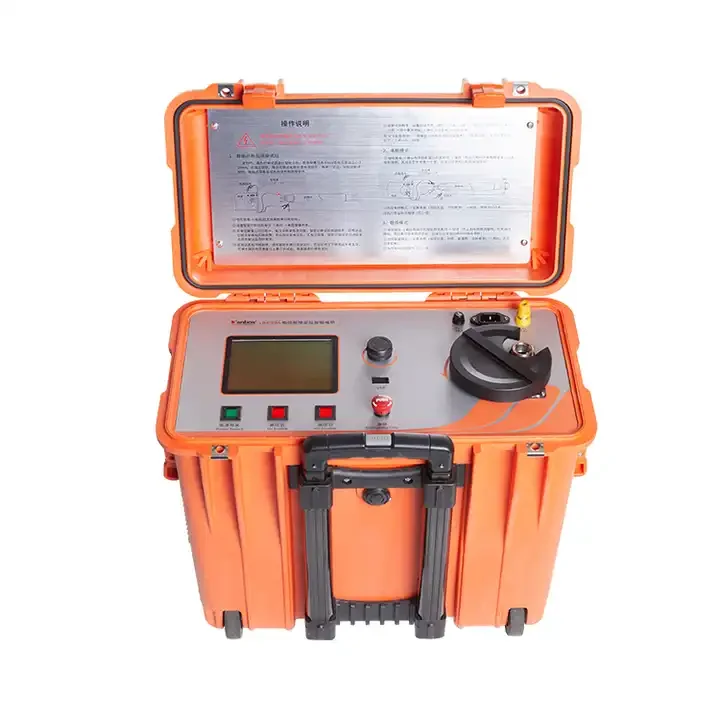
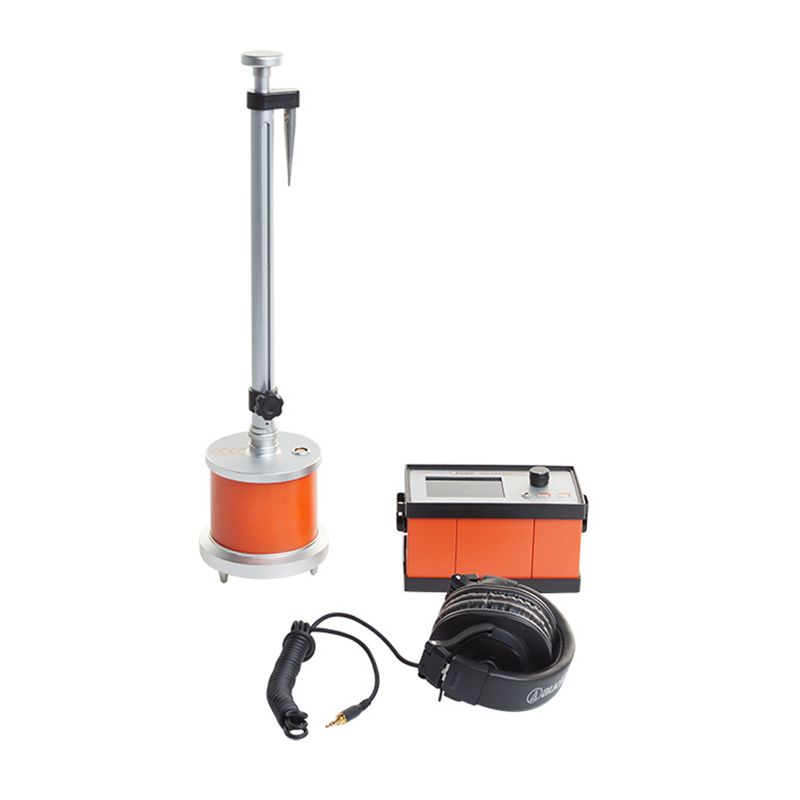
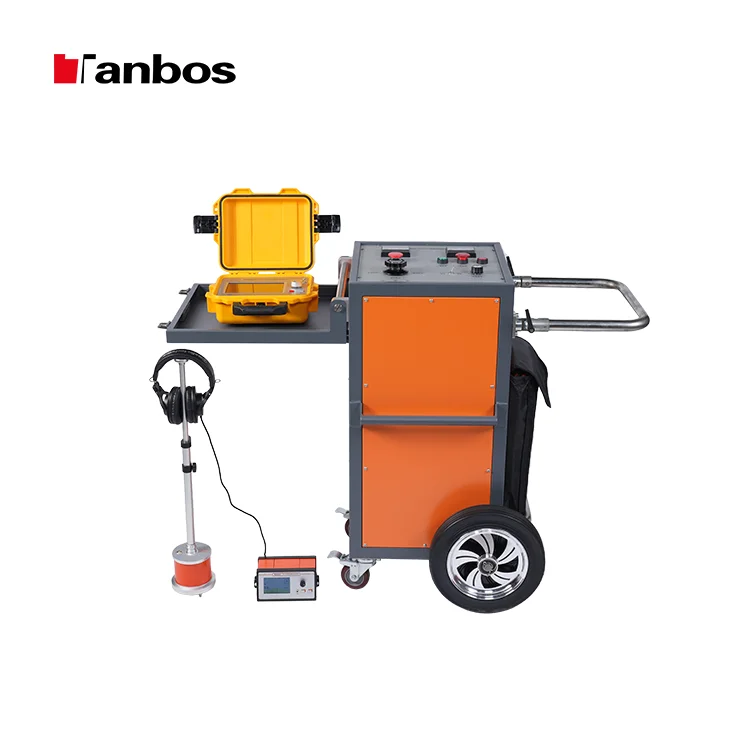
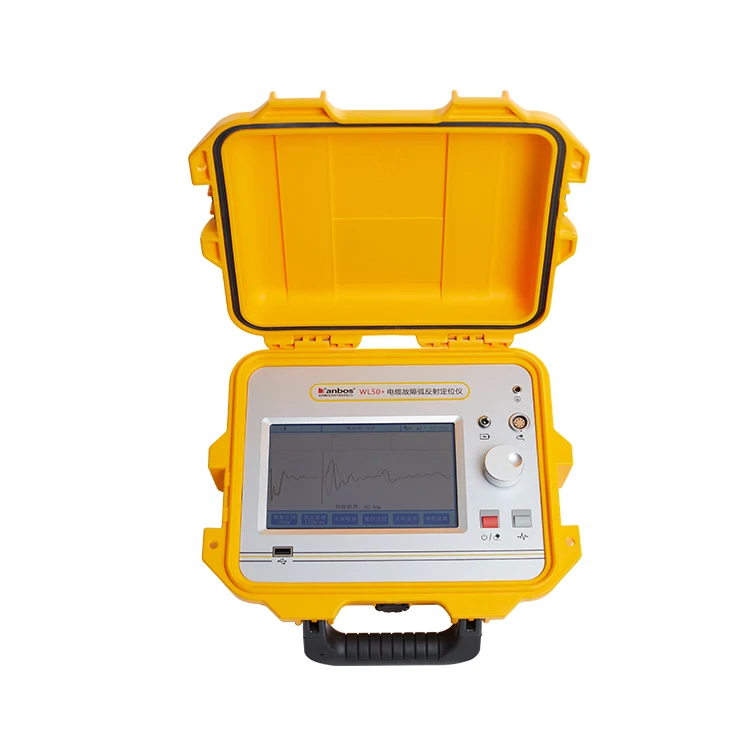
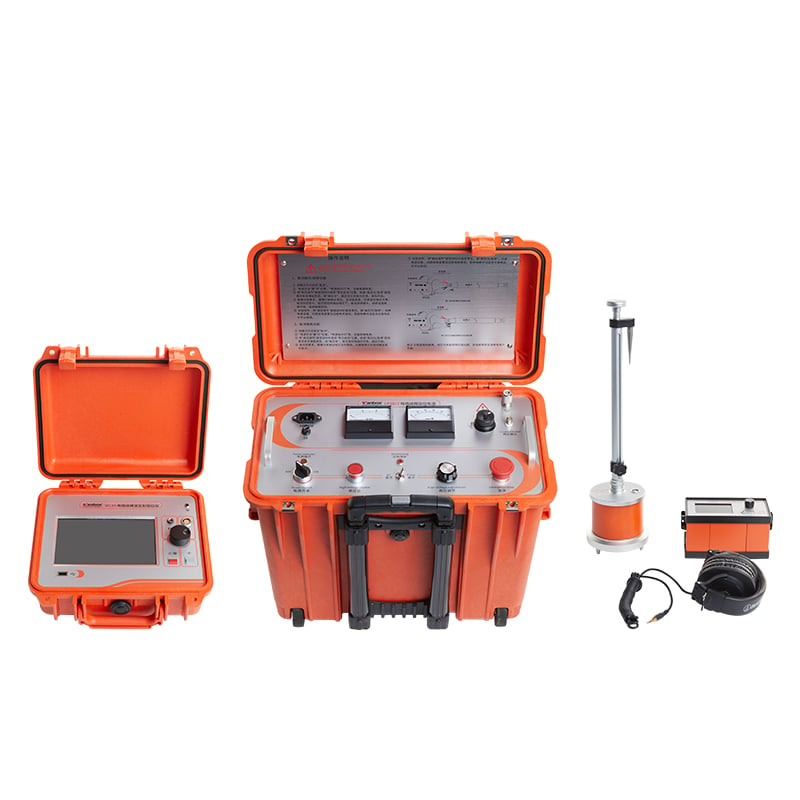
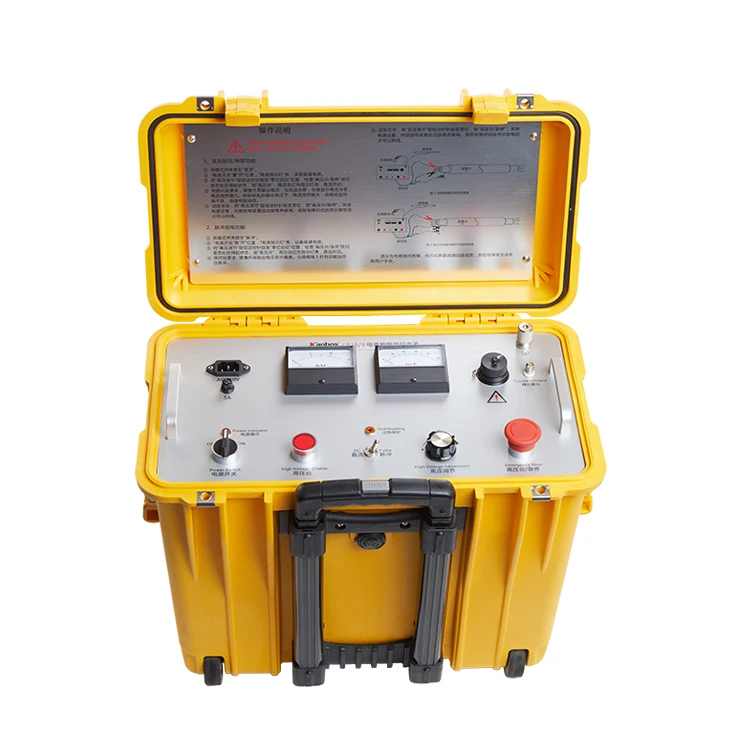
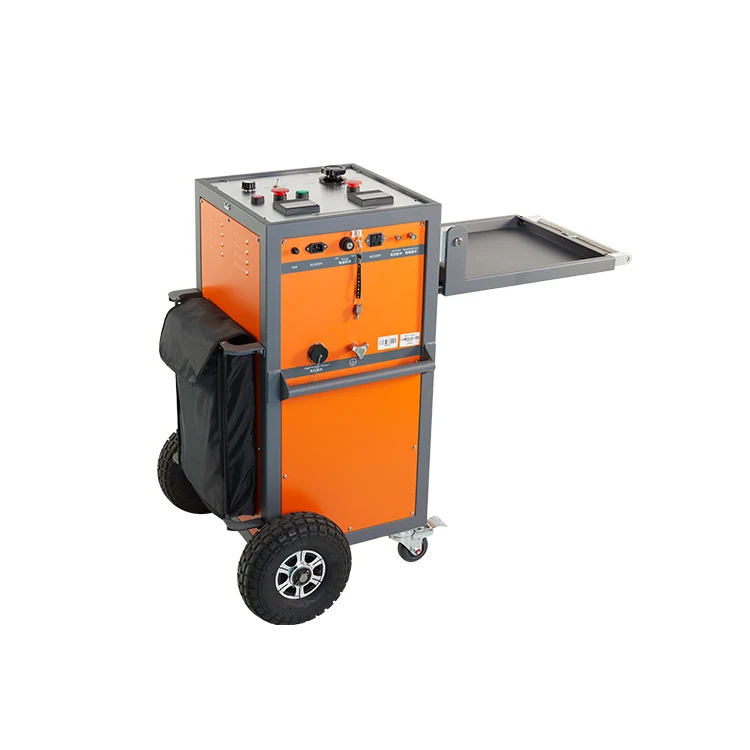
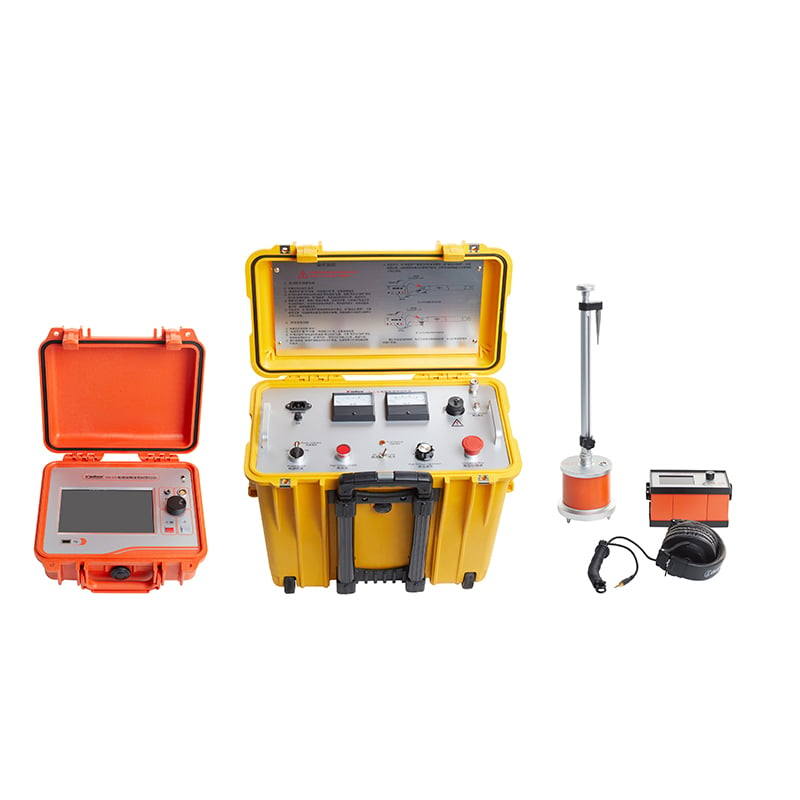
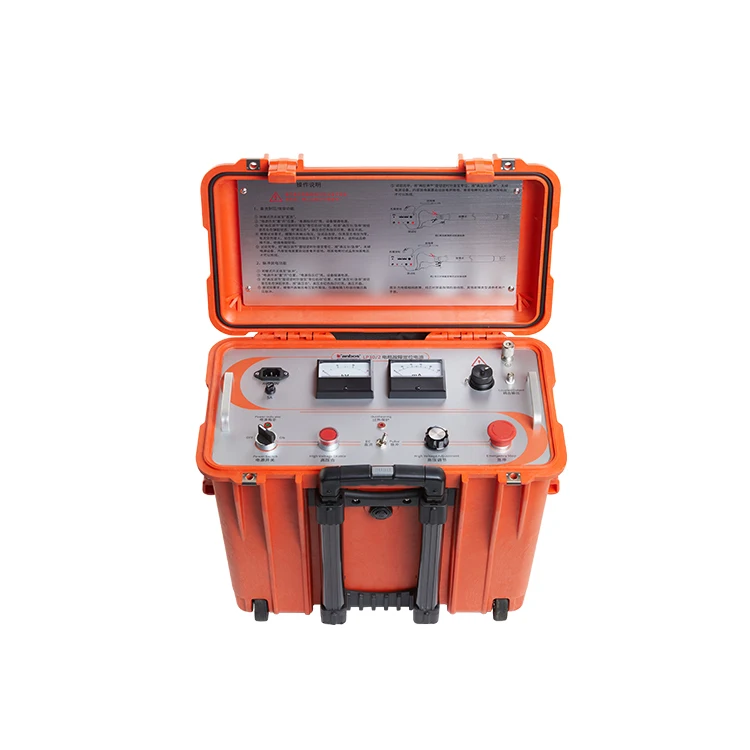
Cable fault locators are essential tools for identifying and diagnosing faults in electrical cables, ensuring the reliability of power distribution systems. When searching for a cable fault locator price list, buyers often prioritize understanding the features, costs, and applications of these devices. This article will provide insights into the key specifications to evaluate, the factors influencing costs, best practices for purchasing, and the various applications of cable fault locators across industries.
When evaluating cable fault locators, several key specifications should be considered to ensure the selected device meets operational needs:
Detection Method: Different models may use various detection methods, such as time-domain reflectometry (TDR) or electromagnetic techniques. Understanding the method helps assess suitability for specific cable types and fault conditions.
Operating Range: The effective range of the cable fault locator is crucial. Some devices are designed for short-distance applications, while others can detect faults over longer distances, making them more versatile for different scenarios.
Fault Location Accuracy: The precision of the fault location is vital, especially in critical applications. Buyers should look for locators that provide accurate readings to minimize downtime and repair costs.
User Interface: An intuitive user interface enables quicker training and operation, reducing the risk of errors during fault diagnosis.
Portability: Depending on the application environment, the weight and size of the locator can impact usability. Portable models are advantageous for fieldwork, while stationary models may be suitable for fixed installations.
Durability and Environmental Ratings: Ensure that the device is robust enough for the intended environment, with appropriate IP ratings for dust and water resistance.
Understanding these specifications allows buyers to select the right model that meets their specific operational requirements and improves the efficiency of their fault diagnosis processes.
The pricing of cable fault locators can vary significantly based on several factors, especially when purchasing in bulk:
Model Specifications: Higher-end models with advanced features like enhanced detection methods and greater accuracy typically command higher prices. Buyers should weigh the cost against the operational benefits.
Order Quantity: Many manufacturers, including Tanbos, offer discounts for bulk purchases. Buyers should inquire about tiered pricing structures to find cost-effective solutions.
Customization: Customization options such as specific features or branding may affect the cost. Buyers should clearly define their requirements to get accurate quotes.
Shipping and Handling: Bulk orders often incur additional shipping costs, especially for heavier equipment. Planning logistics in advance can help mitigate these costs.
Warranty and Support: The inclusion of warranties and after-sales support can influence the overall value of the purchase. A slightly higher initial price may be justified by robust support services.
Understanding these cost factors can aid in budgeting and negotiating effectively with suppliers, ensuring that buyers receive the best value for their investment.
To maximize the effectiveness and longevity of cable fault locators, consider the following best practices:
Regular Calibration and Maintenance: Ensuring that power cable fault locator are calibrated regularly is crucial for maintaining their accuracy. Establish a maintenance schedule based on the manufacturer's recommendations.
Training for Operators: Invest in training for staff who will be using the equipment. Familiarity with the device enhances operational efficiency and reduces the chance of user error.
Documentation of Findings: Keep detailed records of faults detected and repairs made. This data can be invaluable for future reference and can help in identifying recurring issues in the infrastructure.
Utilize Samples Before Bulk Orders: When considering a new model, request samples for testing in real-world conditions. Evaluating performance firsthand can prevent costly mistakes.
Check Compatibility with Existing Systems: Ensure that the new locators are compatible with current infrastructure and other diagnostic tools to avoid operational disruptions.
Implementing these practices ensures that organizations get the most value from their investment in cable fault locators.
Cable fault locators find applications across a range of industries, reflecting their versatility:
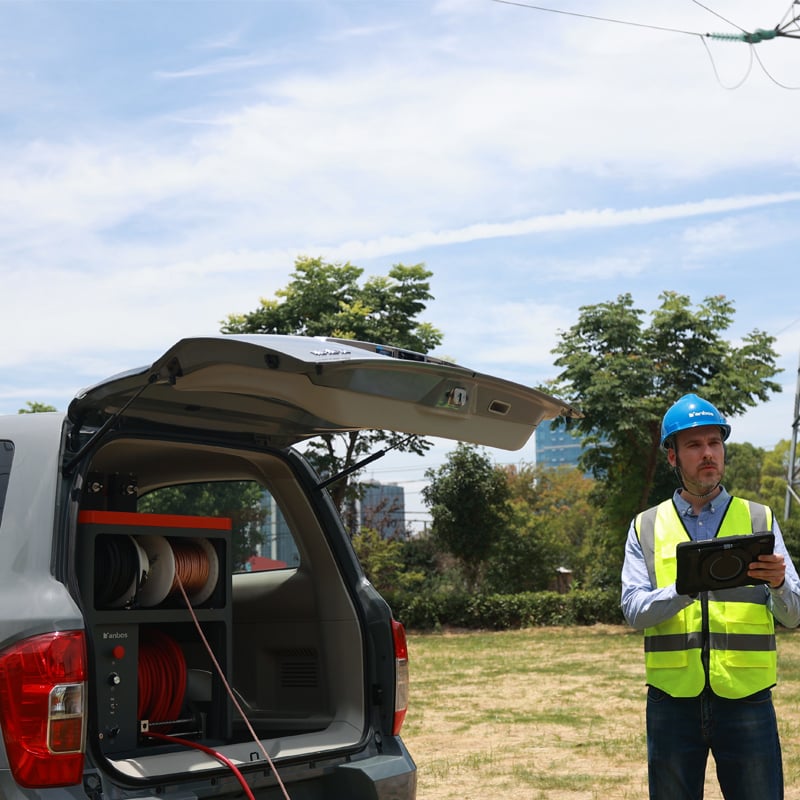
Utilities and Power Distribution: Electric utilities use these devices to quickly locate faults in overhead and underground power lines, minimizing downtime and enhancing service reliability.
Telecommunications: In telecom networks, cable fault locators help maintain the integrity of communication lines, enabling prompt repairs that reduce service interruptions.
Transportation: Railways and airports utilize locators to ensure that critical electrical systems are functioning properly, preventing potential safety hazards.
Manufacturing: Factories rely on cable fault locators to maintain operational efficiency in machinery that relies on electrical cabling. Quick fault detection prevents production delays.
Commercial Buildings: In commercial properties, regular maintenance checks using fault locators can improve the longevity of electrical systems and reduce the risk of unexpected outages.
Understanding these applications can assist buyers in identifying the most suitable products for their specific industry needs.
We concentrate our efforts on developing cutting-edge cable diagnostic technologies, enabling precise early warning and reliable fault diagnosis for enhanced grid safety and efficiency.
As an innovative technology enterprise, we integrate R&D, technical training, application support, and sales to provide a comprehensive, end-to-end solution for cable diagnostics.
With over 15 years of focused experience in cable detection and testing since 2007, we have built deep expertise in the R&D and manufacturing of intelligent early-warning and fault-diagnosis equipment for cables and overhead lines.
Positioned as "Cable Diagnostic Experts at Your Side," we provide professional, trusted technology and support to clients, backed by strong industry credibility and a track record of innovation.
Quality assurance is vital when purchasing cable fault locators. Here are essential steps to ensure a sound investment:
Verify Manufacturer Credentials: Research the manufacturer's background, including their experience in producing diagnostic equipment. Tanbos, with its specialization in intelligent fault diagnosis equipment since 2007, exemplifies a trusted source.
Check for Industry Certifications: Ensure that the products meet relevant industry standards and certifications. This not only assures quality but also compliance with regulatory requirements.
Request Product Samples: Before committing to a bulk order, request samples for quality inspection. Assess the physical build, performance, and usability of the digital cable fault locator to ensure it meets expectations.
Solicit User Reviews: Seek feedback from other users in the industry. Reviews can provide insight into the product's performance, reliability, and customer support.
Establish Clear Return Policies: Ensure the supplier has a clear return policy for defective units or unsatisfactory performance. This safeguard can protect your investment.
By following these steps, buyers can mitigate risks and ensure they are making informed purchasing decisions regarding cable fault locators.
 AR
 HR
 CS
 NL
 FR
 DE
 EL
 HI
 IT
 JA
 KO
 NO
 PL
 PT
 RO
 RU
 ES
 SV
 TL
 IW
 ID
 SR
 SK
 UK
 VI
 ET
 HU
 TH
 TR
 FA
 MS
 GA
 HY
 AZ
 UR
 BN
 LA
 MN
 KK