A company of Xianheng international
 EN
A company of Xianheng international
EN
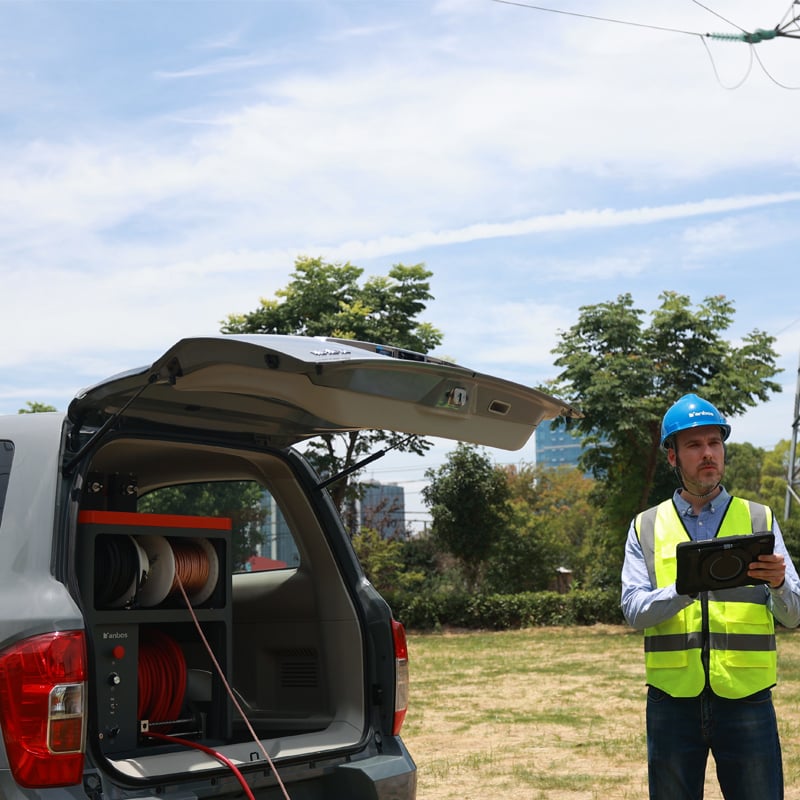
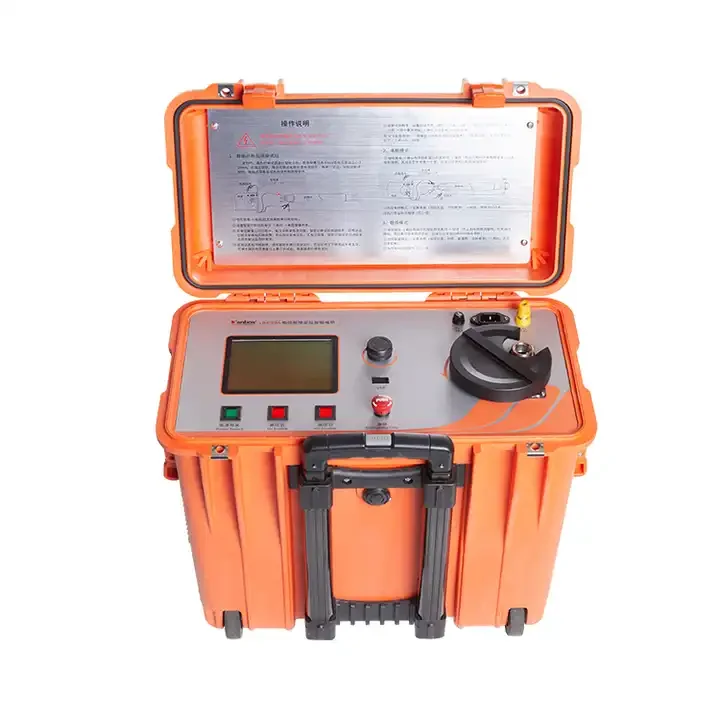
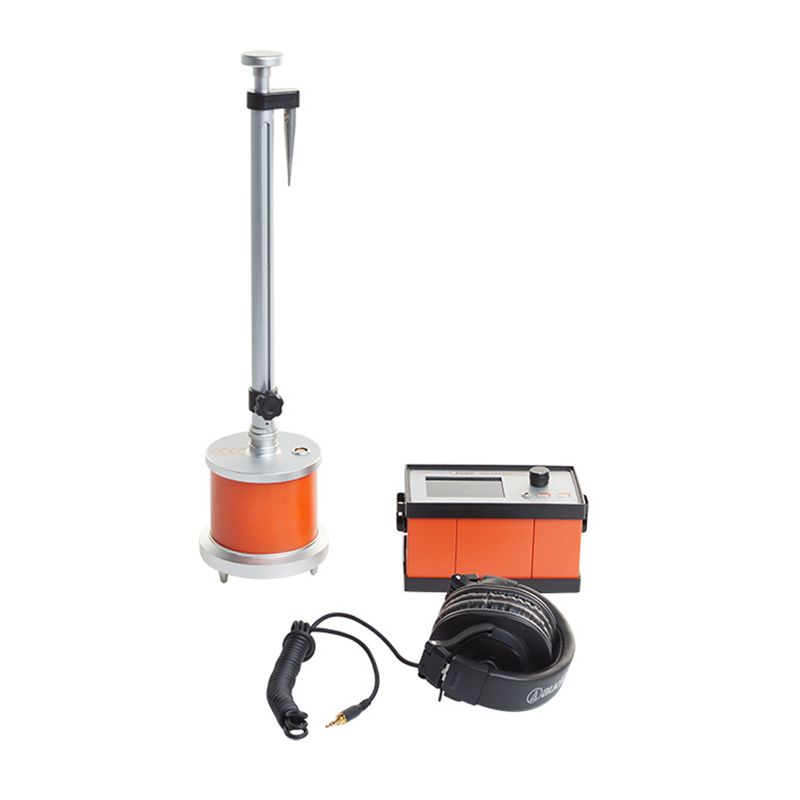
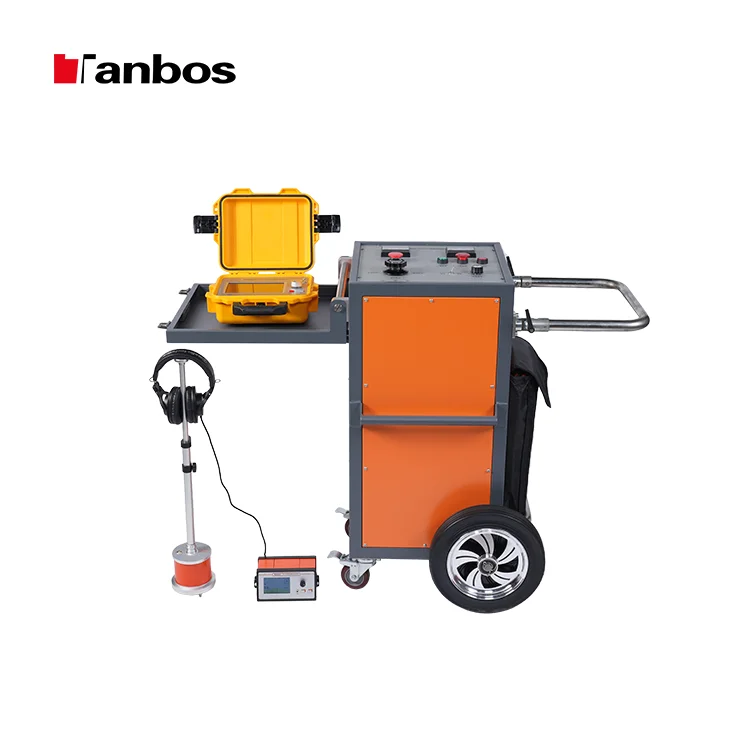
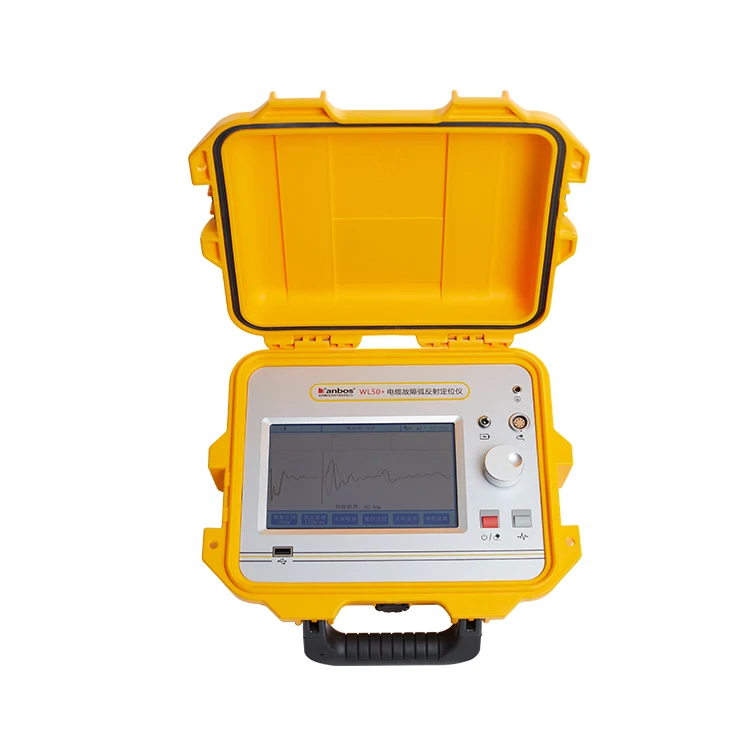
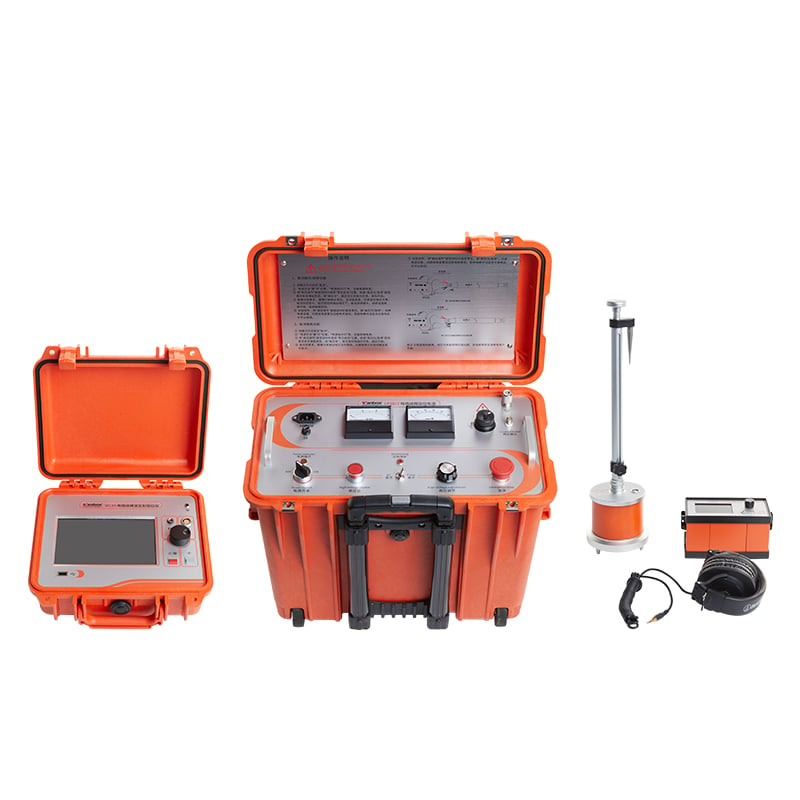
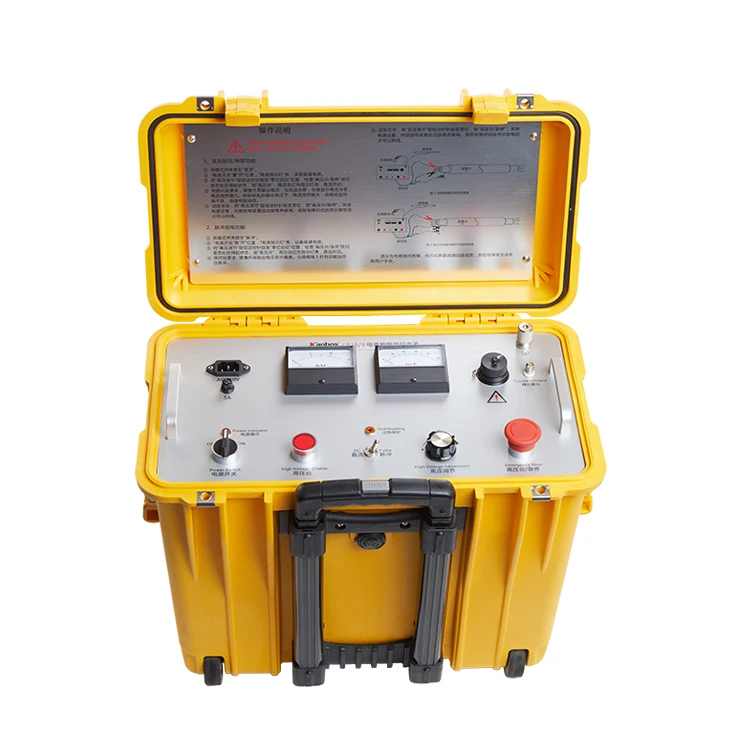
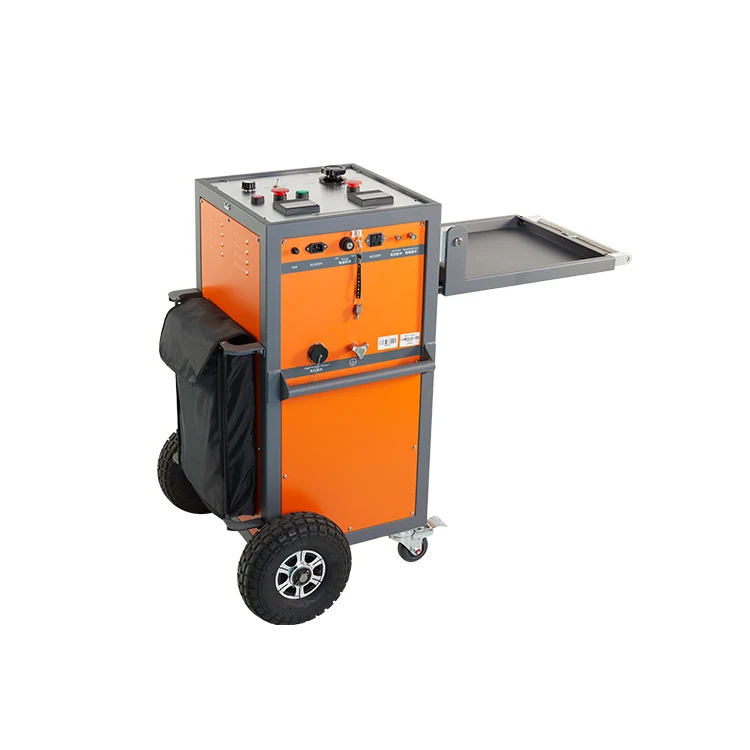
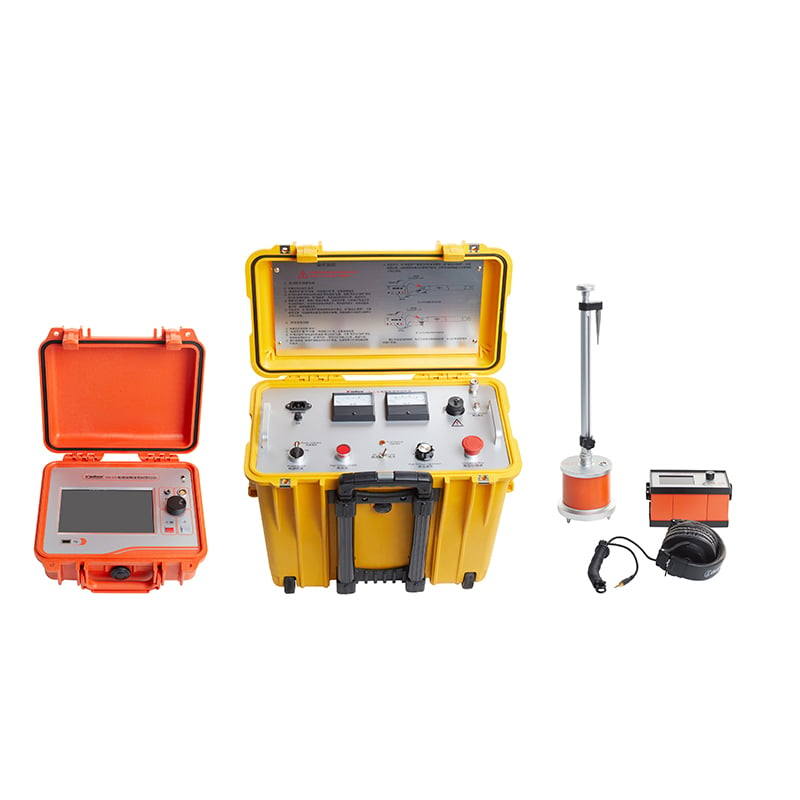
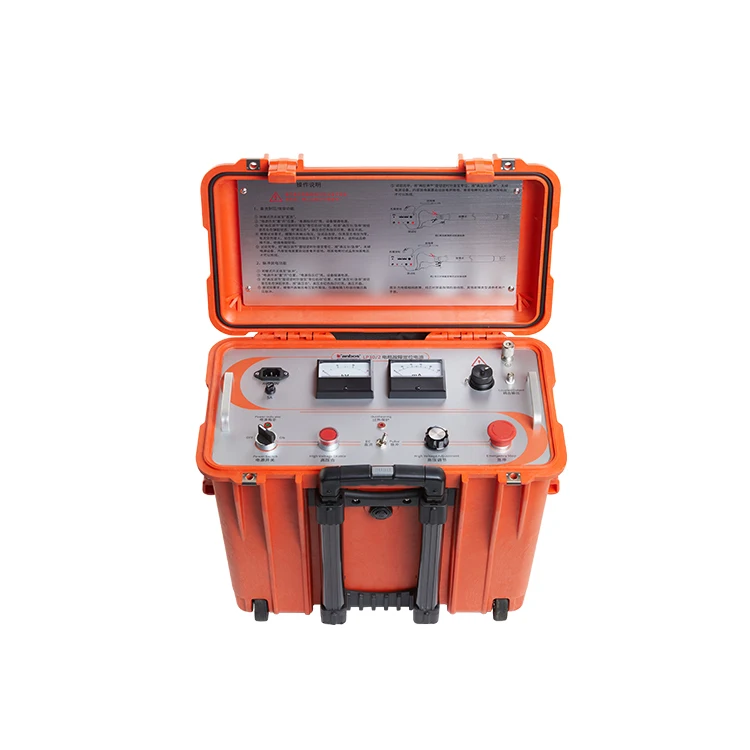
Understanding how to effectively locate faults in underground LV cables is crucial for maintenance and operational efficiency. With the increasing reliance on underground cable networks in various industries, knowing how to identify and rectify these faults can minimize downtime, reduce repair costs, and enhance safety. This article will delve into key specifications for underground LV cable fault detection equipment, provide a wholesale purchasing guide, discuss sourcing high-quality lv cable fault locator, examine common problems and their solutions, and offer installation guidance to ensure effective detection of faults.
When selecting fault detection equipment for underground LV cables, it is essential to consider several key specifications that affect performance and usability. These include:
Detection Range: The equipment should have a detection range suitable for the specific thickness and type of cables in use. A range that is too small may result in missed faults, while a range that is too large could lead to false positives.
Sensitivity: Equipment sensitivity is critical. Highly sensitive devices can detect minor faults that less sensitive equipment might overlook. This is particularly important in environments with varying cable conditions or materials.
Data Logging Capability: Advanced fault locators often feature data logging capabilities. This allows for the tracking of fault history and patterns, enabling better predictive maintenance strategies.
Ease of Use: User-friendly interfaces and clear display readings are vital for efficient operation. Equipment that requires extensive training can lead to increased operational costs and inefficiencies.
Durability and Compliance: It’s important that the equipment complies with industry standards and is built to withstand harsh environmental conditions. Look for certifications that indicate reliability and performance.
By considering these specifications, buyers can ensure that they select the right equipment for their specific requirements, ultimately leading to more effective fault detection and repair.
When purchasing LV cable fault diagnosis tools in bulk, buyers should follow a structured approach to ensure they make informed decisions. Here are some key steps to consider:
Assess Your Needs: Determine the types of cables you will be working with, the common faults encountered, and the scale of your operations. This assessment will guide your specifications and quantity.
Request Samples: Before committing to a large order, request samples from potential suppliers. This allows you to evaluate the equipment’s performance and compatibility with your existing systems.
Evaluate Suppliers: Look for suppliers with proven industry experience and a track record of reliability. Check for references and customer reviews to gauge their service quality and product performance.
Negotiate Pricing and Terms: Bulk purchasing often allows for negotiation on pricing. Discuss minimum order quantities (MOQ), payment terms, and delivery schedules to optimize cost-efficiency.
Review Warranty and Support: Ensure that the supplier offers a robust warranty and clear support terms. This can save significant costs in the event of equipment failure or defects.
By following these steps, buyers can navigate the wholesale purchasing process more effectively, ensuring they acquire the right tools at competitive prices.
Sourcing high-quality LV cable testing equipment is essential for efficient operations. Here are some avenues to consider:
Established Manufacturers: Companies like Tanbos specialize in the research and development of intelligent fault diagnosis equipment. Partnering with established manufacturers ensures access to reliable products and technical support.
Industry Trade Shows: Attending trade shows and industry exhibitions can be an excellent way to discover new products and suppliers. These events often showcase the latest technology and innovations in cable testing equipment.
Online Marketplaces: Reputable online B2B marketplaces provide access to a wide range of products. However, it’s crucial to verify the credibility of suppliers through reviews and ratings.
Local Distributors: Consider working with local distributors who understand the specific needs of your region. They can provide valuable insights on product performance and availability.
Networking: Leverage industry connections to gather recommendations for reliable suppliers. Peer insights can be invaluable in identifying trusted sources.
By exploring these avenues, project managers can effectively source high-quality testing equipment that meets their operational needs.
Underground LV cables can encounter various issues that may affect their performance. Here are some common problems and the solutions to address them:
Insulation Failure: This can result from moisture ingress or physical damage. Regular testing for insulation resistance can help identify issues early. Using insulated cable fault detection tools during installation can prevent physical damage.
Cable Breaks: Mechanical stress or environmental factors can lead to cable breaks. Employing robust installation techniques and protective measures can minimize the risk. Regular inspections are also essential.
Electrical Leakage: This often occurs due to insulation degradation. To combat this, regular monitoring with specialized fault detection equipment can help pinpoint the source of leakage.
Overheating: Cables may overheat due to excessive load or poor ventilation. Ensuring proper load distribution and using temperature monitoring devices can mitigate this issue.
Corrosion: Corrosive environments can deteriorate cable components. Utilizing corrosion-resistant materials and protective coatings can prolong cable life.
By being aware of these common problems and their solutions, professionals can take proactive measures to maintain the integrity of underground LV cables.
With over 15 years of focused experience in cable detection and testing since 2007, we have built deep expertise in the R&D and manufacturing of intelligent early-warning and fault-diagnosis equipment for cables and overhead lines.
We concentrate our efforts on developing cutting-edge cable diagnostic technologies, enabling precise early warning and reliable fault diagnosis for enhanced grid safety and efficiency.
Positioned as "Cable Diagnostic Experts at Your Side," we provide professional, trusted technology and support to clients, backed by strong industry credibility and a track record of innovation.
As an innovative technology enterprise, we integrate R&D, technical training, application support, and sales to provide a comprehensive, end-to-end solution for cable diagnostics.
Proper installation of LV cable fault detection equipment is crucial for accurate results. Here are some key guidelines:
Site Preparation: Ensure the installation site is clean and free from obstructions. This facilitates easy access to cables and reduces the risk of damage during installation.
Equipment Calibration: Before use, calibrate all detection equipment according to the manufacturer’s specifications. This is critical for ensuring accurate readings and fault detection.
Follow Manufacturer Instructions: Adhere strictly to the manufacturer’s installation guidelines to avoid operational issues. This includes proper connection methods and settings adjustments.
Testing Procedures: Implement regular testing procedures post-installation. This ensures that the equipment is functioning correctly and can effectively detect faults when they occur.
Training: Ensure that personnel responsible for operating the equipment are properly trained. This will enhance the efficiency of cable fault detection and reduce the likelihood of human error.
By following these installation guidelines, companies can optimize their fault detection processes, ultimately leading to improved operational reliability and safety.
 AR
 HR
 CS
 NL
 FR
 DE
 EL
 HI
 IT
 JA
 KO
 NO
 PL
 PT
 RO
 RU
 ES
 SV
 TL
 IW
 ID
 SR
 SK
 UK
 VI
 ET
 HU
 TH
 TR
 FA
 MS
 GA
 HY
 AZ
 UR
 BN
 LA
 MN
 KK