A company of Xianheng international
 EN
A company of Xianheng international
EN
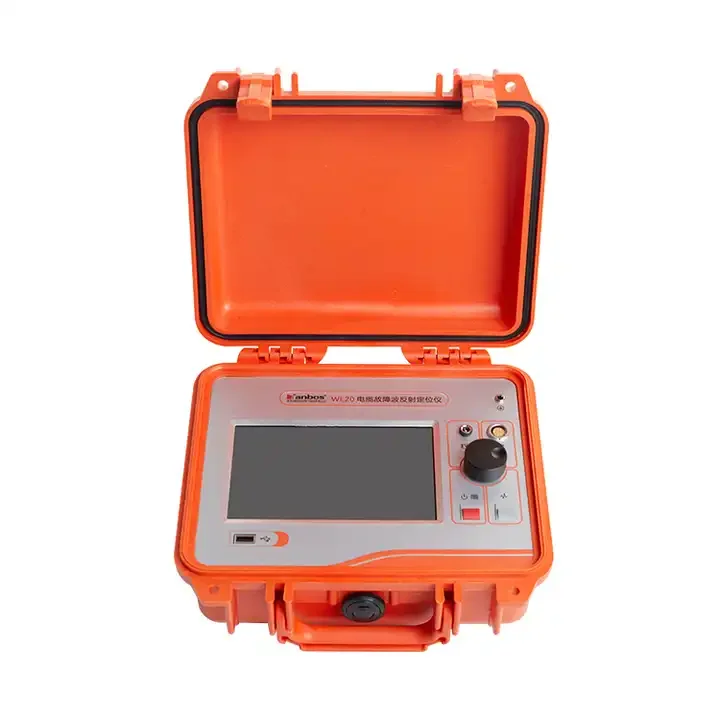
The TDR reflectometer is a crucial instrument used for the assessment and diagnosis of cables and overhead lines. It allows for precise fault localization and evaluation of cable integrity, making it a vital tool for purchasing managers and engineers in the manufacturing and industrial sectors, we will address key considerations when sourcing TDR reflectometers, highlighting specifications that matter, cost factors, supplier sources, and best practices for an effective procurement process.
When sourcing TDR reflectometers, it’s essential to consider the specific application and environment in which the equipment will be used. Factors such as measurement range, resolution, and the ability to differentiate between faults are critical. Additionally, consider the technology used in the time domain reflectometer, as advanced models may integrate features like digital signal processing, which improves fault detection accuracy.
Buyers should also verify the level of technical support and training provided by suppliers. Comprehensive training can significantly impact how effectively your team utilizes the equipment, ensuring optimal performance and longevity of the device. Furthermore, consider the availability of spare parts and service agreements, as these will affect long-term operational capability and maintenance costs.
Understanding the key specifications of Tanbos TDR reflectometers is vital for making informed purchasing decisions. Here are critical specifications to focus on:
Pulse Width: This affects the resolution of the measurement. A shorter pulse width allows for more precise fault location but may require higher sensitivity.
Measurement Range: Ensure the device can effectively measure the distances relevant to your applications. A typical range will vary, but models that can measure up to several kilometers are common in industrial settings.
Accuracy: Check the manufacturer's claims on accuracy, often expressed as a percentage of the reading.
Environmental Ratings: Consider models with appropriate IP ratings for dust and moisture resistance, particularly if the device will be used outdoors or in harsh environments.
User Interface: A clear, user-friendly interface can facilitate quicker training and more efficient use, reducing the likelihood of operational errors.
These specifications will directly influence the reflectometer's performance and reliability in field applications.
When purchasing Tanbos TDR reflectometers in bulk, several cost factors should be evaluated to ensure a favorable deal.
Unit Price: The initial cost per unit will vary widely based on features, brand reputation, and technology. Be cautious of overly low prices, as they may indicate compromised quality.
Volume Discounts: Many suppliers offer price breaks at higher quantities. It’s essential to confirm how these discounts apply and whether the pricing structure is favorable for your order size.
Shipping and Handling: Factor in transportation costs, which can fluctuate based on shipping methods and distance. Ensure clarity on who bears these costs and any potential duties for imported products.
Warranty and Service Costs: Understand the warranty terms and any associated service costs post-purchase. Extended warranties may add to upfront costs but can save on repairs in the long run.
Training and Support: Consider the costs associated with training personnel to use the new equipment. Some suppliers may include this in the purchase price, while others may charge extra.
Analyzing these factors will help ensure that your budget aligns with the overall investment in time delay reflectometer.
Finding reliable suppliers is paramount to ensuring the quality and performance of TDR reflectometers. Here are some avenues to explore:
Industry Trade Shows: Attending trade shows focused on electrical and telecommunications equipment can help you meet suppliers and see their products firsthand. This interaction can also provide insights into the latest technologies in TDR reflectometers.
Online Marketplaces: Reputable B2B platforms allow you to compare various suppliers and read customer reviews. Look for those with established reputations in the industry.
Manufacturer Websites: Directly contacting manufacturers, like Tanbos, can provide insights into their products, capabilities, and technical support. Manufacturers often have detailed product catalogs and can assist with custom orders.
Industry Associations: Organizations related to electrical engineering and telecommunications can offer resources and recommendations for trustworthy suppliers.
Selecting suppliers with a proven track record in TDR technology will significantly enhance procurement success.
We concentrate our efforts on developing cutting-edge cable diagnostic technologies, enabling precise early warning and reliable fault diagnosis for enhanced grid safety and efficiency.
Positioned as "Cable Diagnostic Experts at Your Side," we provide professional, trusted technology and support to clients, backed by strong industry credibility and a track record of innovation.
With over 15 years of focused experience in cable detection and testing since 2007, we have built deep expertise in the R&D and manufacturing of intelligent early-warning and fault-diagnosis equipment for cables and overhead lines.
As an innovative technology enterprise, we integrate R&D, technical training, application support, and sales to provide a comprehensive, end-to-end solution for cable diagnostics.
To maximize the effectiveness of your procurement process for TDR reflectometers, consider the following best practices:
Request Samples: Before committing to a bulk purchase, request samples to test in your specific environment. This will help verify that the reflectometer meets your operational needs.
Evaluate Performance in Real Conditions: Conduct field tests to ensure the reflectometer operates effectively under actual conditions. Check for factors like ease of use and clarity of results.
Cross-Check Supplier Credentials: Always verify the supplier’s credentials, including their manufacturing background, certifications (if any), and customer testimonials. This will help ensure you are working with a reputable company.
Prepare Detailed Specifications for RFQs: When requesting quotations, provide detailed specifications that outline your needs, including performance parameters, expected usage, and any required customization. This will allow suppliers to provide more accurate quotes.
Plan for Maintenance and Calibration: Regular maintenance and calibration are vital for the longevity of TDR reflectometers. Ensure that you have a plan in place for ongoing support and service needs.
By following these best practices, you can streamline your purchasing process and ensure the successful integration of TDR reflectometers into your operations.
Sourcing tdr time domain reflectometer requires careful consideration of specifications, cost factors, and supplier reliability. By applying these insights, buyers can make informed decisions that enhance operational efficiency and reduce downtime in cable diagnostics and maintenance.
 AR
 HR
 CS
 NL
 FR
 DE
 EL
 HI
 IT
 JA
 KO
 NO
 PL
 PT
 RO
 RU
 ES
 SV
 TL
 IW
 ID
 SR
 SK
 UK
 VI
 ET
 HU
 TH
 TR
 FA
 MS
 GA
 HY
 AZ
 UR
 BN
 LA
 MN
 KK