A company of Xianheng international
 EN
A company of Xianheng international
EN
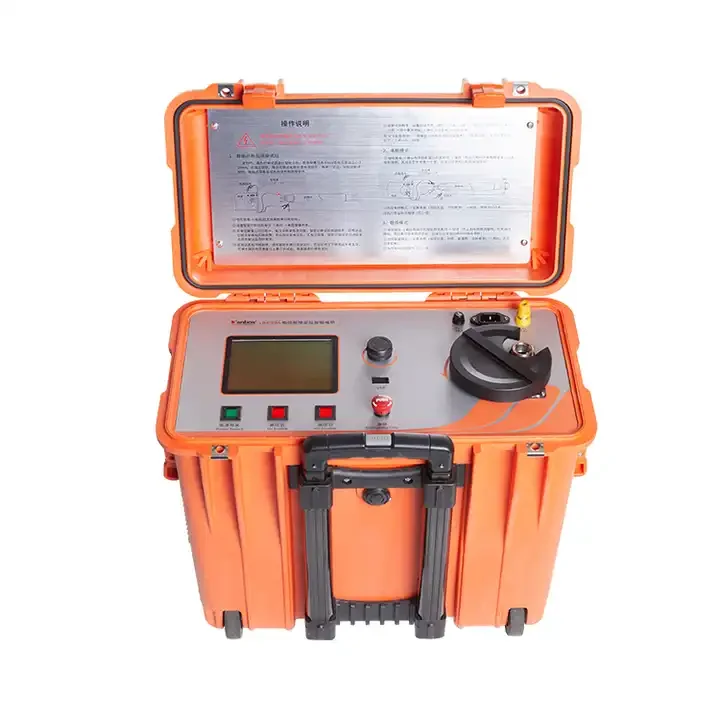
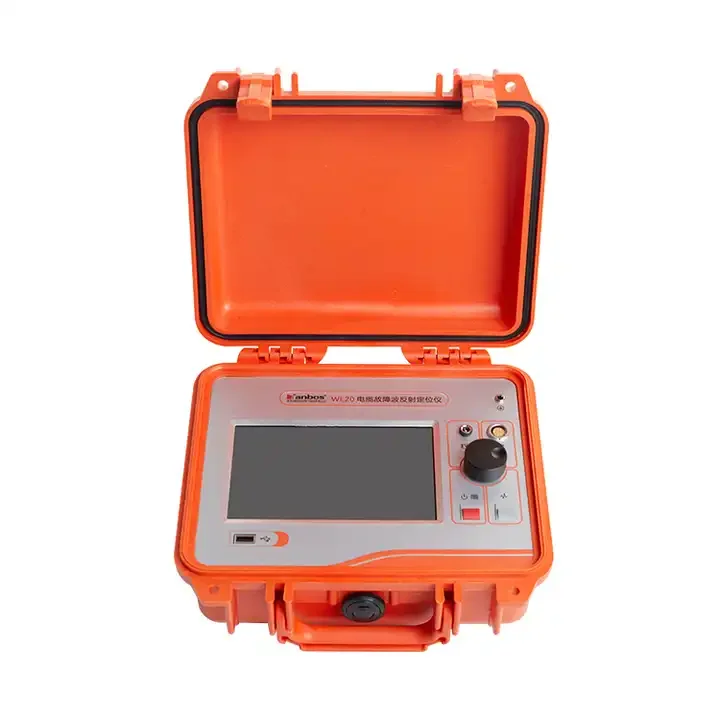
A TDR time domain reflectometer (TDR) is an essential tool for diagnosing faults in cables and overhead lines. Designed to send pulses along a cable and analyze the reflections to identify issues, TDRs are vital for purchasing managers, engineers, and technicians in various industries. When selecting a TDR, buyers often have concerns about specifications, application suitability, and reliability. This article will guide you through choosing the right TDR, sourcing options, quality control measures, and its applications in different sectors
Selecting the appropriate TDR involves understanding key specifications that affect performance. First, consider the pulse width of the TDR, which determines the resolution of the measurements. A shorter pulse width can identify finer faults, important for critical applications like telecommunications
Next, evaluate the measurement range and the maximum cable fault tracer length the TDR can assess. If your project involves long overhead lines, ensure the TDR can handle the distances without losing accuracy
Another critical specification is accuracy, usually expressed in meters. A TDR with higher accuracy is essential for precision in fault location. Additionally, look for environmental ratings such as IP ratings, which indicate resistance to dust and moisture—key for field applications
Finally, consider the user interface and whether the TDR has features like a graphical display or data logging capabilities. These can enhance usability and data analysis, especially in complex troubleshooting scenarios
Finding a reliable supplier for TDRs is crucial for ensuring product quality and consistency. Begin by assessing manufacturers with a proven track record in the industry. Look for companies that specialize in intelligent early warning systems and have experience in cable diagnostics, like Tanbos, which has been in the field since 2007
Evaluate suppliers based on their production capacity and lead times. Request information on their minimum order quantities (MOQ), as this can vary significantly across manufacturers. It's also beneficial to inquire about their customization capabilities, which can allow for tailored solutions that meet specific project requirements
Additionally, consider the certifications held by the manufacturer. Certifications indicate adherence to quality standards and can assure buyers of the TDR's reliability. Lastly, check for customer reviews or testimonials to gauge the experiences of previous buyers, which can provide insights into product performance and supplier reliability
Quality control is pivotal in TDR manufacturing to ensure that each unit meets performance standards. A reputable manufacturer will implement a series of stringent quality checks throughout the production process
Initially, raw materials must be carefully inspected for compliance with specifications, particularly for components that affect signal transmission and durability. During assembly, manufacturers should adopt in-process inspections to ensure that each component fits and functions correctly
Final testing is also crucial. This typically includes calibration of the TDR, where each unit is tested against known standards to verify its accuracy. Manufacturers should provide a test report with each unit, detailing performance metrics and confirming compliance with industry standards
Furthermore, consider whether the manufacturer has a quality management system in place, such as ISO certification, which can provide further assurance of their commitment to quality
TDRs are utilized across multiple sectors due to their versatility in fault detection. In the telecommunications industry, TDRs help identify cable hi pot test faults that could disrupt service, enabling swift repairs and minimizing downtime
In the electrical utility sector, TDRs are essential for monitoring overhead lines and underground cables, assisting in preventive maintenance and ensuring system reliability. Their ability to pinpoint issues quickly is crucial for maintaining service continuity
Moreover, in civil engineering, TDRs are employed to assess the condition of cables in structures, such as bridges and tunnels, where cable integrity is vital for safety
Additionally, the military and aerospace sectors use TDRs for testing communication and navigation cables, where reliability is paramount. The adaptability of TDRs to different environments makes them invaluable tools in any industry reliant on cable infrastructure
With over 15 years of focused experience in cable detection and testing since 2007, we have built deep expertise in the R&D and manufacturing of intelligent early-warning and fault-diagnosis equipment for cables and overhead lines.
Positioned as "Cable Diagnostic Experts at Your Side," we provide professional, trusted technology and support to clients, backed by strong industry credibility and a track record of innovation.
As an innovative technology enterprise, we integrate R&D, technical training, application support, and sales to provide a comprehensive, end-to-end solution for cable diagnostics.
We concentrate our efforts on developing cutting-edge cable diagnostic technologies, enabling precise early warning and reliable fault diagnosis for enhanced grid safety and efficiency.
When preparing to purchase a TDR time domain reflectometer, gather essential information to facilitate a smooth transaction. Be ready to provide details about your project, including the type of cables you will be testing, required measurement range, and any specific features needed, such as portability or data logging capabilities
It's also prudent to clarify your budget and any constraints regarding delivery timelines. Understanding the total cost of ownership, including potential maintenance and operational costs, will help in making a well-informed decision
Before finalizing your order, request a sample to evaluate its performance under actual working conditions. This step can uncover potential issues that may not be apparent from specifications alone
Finally, ensure that the supplier can provide comprehensive technical support and training for the TDR, particularly if your team is new to using this type of equipment. This support can significantly enhance your operational efficiency and troubleshooting capabilities
By addressing these considerations, buyers can confidently select a TDR time domain time domain reflectometer that meets their needs and supports their operational goals
 AR
 HR
 CS
 NL
 FR
 DE
 EL
 HI
 IT
 JA
 KO
 NO
 PL
 PT
 RO
 RU
 ES
 SV
 TL
 IW
 ID
 SR
 SK
 UK
 VI
 ET
 HU
 TH
 TR
 FA
 MS
 GA
 HY
 AZ
 UR
 BN
 LA
 MN
 KK