A company of Xianheng international
 EN
A company of Xianheng international
EN
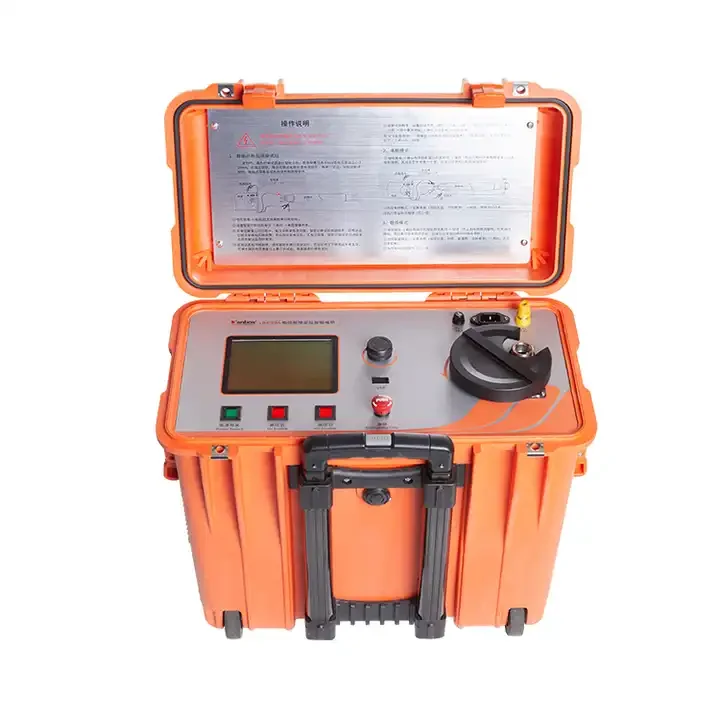
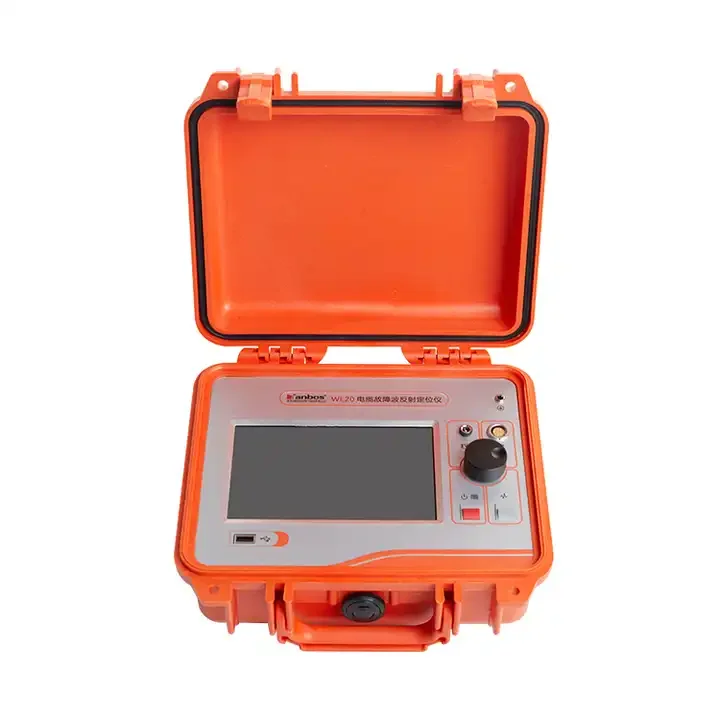
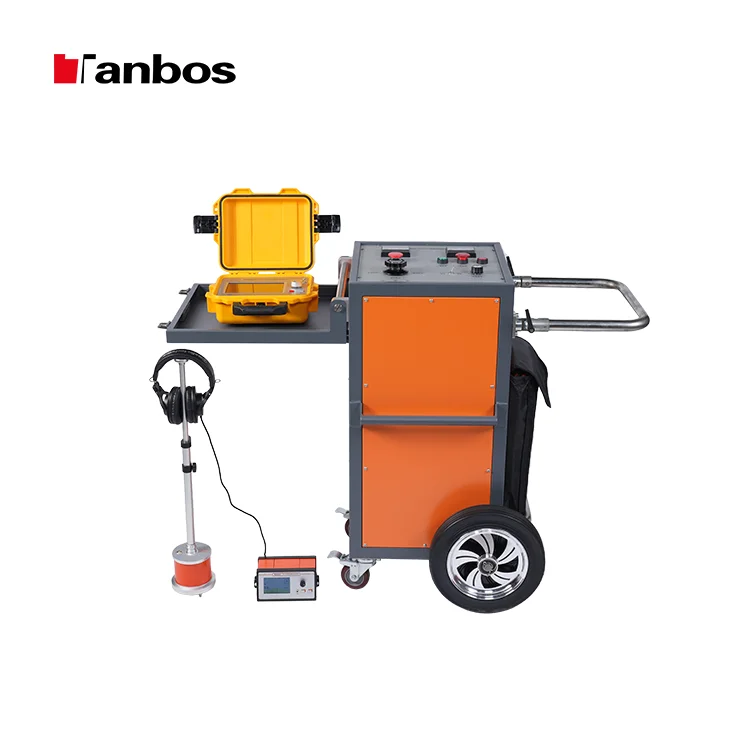
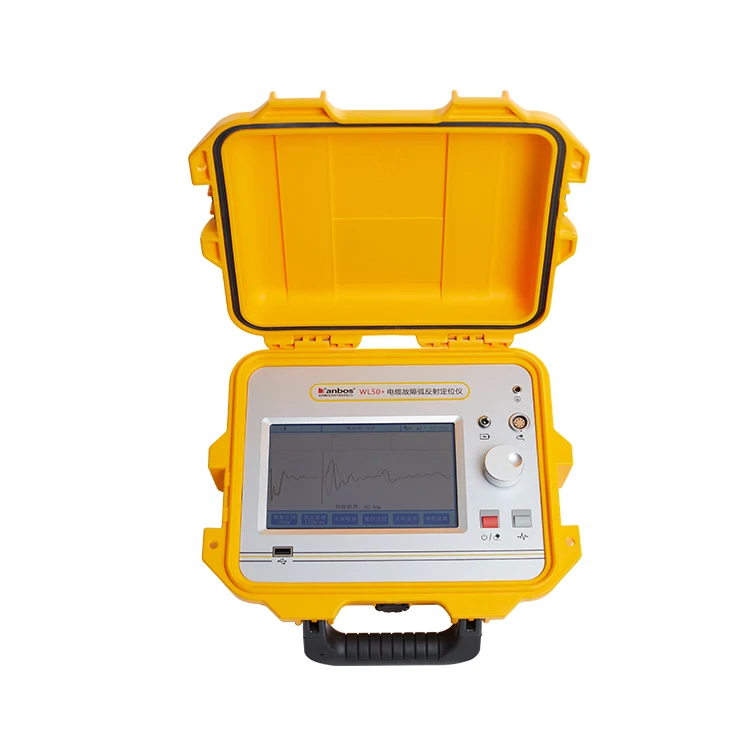
Time delay reflectometers are essential tools used for the detection and testing of cables and overhead lines in various industries. These instruments help identify faults and ensure the integrity of electrical systems, making them vital for maintenance and safety. As a B2B buyer, your main concerns likely include Tanbos cable fault detector specifications, reliability, compatibility with existing systems, and sourcing from trusted suppliers. This article will guide you through the key considerations when purchasing a time delay reflectometer, including comparisons, distributor selection, best practices, and common issues with these.
When purchasing a time delay reflectometer, understanding the critical specifications and features is crucial. Buyers should consider the following aspects:
Measurement Range: The device should cover the required distance for your applications. Ensure it can measure accurately over the lengths you typically work with.
Resolution and Accuracy: High resolution ensures that minor faults can be detected. Accuracy is vital for reliable fault identification and testing results.
Ease of Use: Look for features that simplify operation, such as intuitive interfaces and clear displays. This can reduce training time and enhance efficiency in the field.
Durability: Time delay reflectometers should be rugged enough for field use. Consider those with protective casings or higher ingress protection (IP) ratings.
Data Logging and Connectivity: Devices that offer data logging capabilities and connectivity options for data export can streamline your reporting and analysis process.
By clarifying your specific needs against these criteria, you can make a more informed purchase that aligns with your operational requirements.
When comparing time delay reflectometers for wholesale purchases, consider these factors to ensure you're selecting the right model:
Specifications: Create a comparison table of key specifications such as measurement range, accuracy, resolution, and features. This visual aid can help you quickly identify the best options.
Manufacturer Reputation: Research manufacturers’ backgrounds, including their experience in producing reflectometers. A company like Tanbos, which specializes in intelligent fault diagnosis equipment, can provide you with reliable products backed by industry knowledge.
Customer Reviews and Case Studies: Look for feedback from other buyers who have used the products in similar applications. This can provide insight into performance and reliability.
Support and Training: Evaluate whether the manufacturer or distributor offers training, technical support, and after-sales services. This can be crucial for ensuring you can operate the equipment effectively.
Pricing: While pricing is important, consider the total cost of ownership, including maintenance, warranty, and support services over the product's lifecycle. Sometimes a higher upfront cost can lead to lower overall expenses.
Customization Options: Determine if the manufacturer can customize the reflectometer to meet your specific requirements, such as additional features or particular measurement ranges.
By addressing these points, you can effectively compare models and make a choice that meets both your operational and financial requirements.
Identifying reliable distributors is essential for ensuring you receive quality products and support. Here are some steps to find trusted distributors of time delay reflectometers:
Industry Networking: Attend industry trade shows, conferences, or webinars where manufacturers and distributors showcase their products. Networking can lead to valuable recommendations.
Online Research: Use industry-specific directories and platforms to find distributors. Look for those with positive reviews and established reputations within the industry.
Certifications and Affiliations: Verify if the Tanbos tdr time domain reflectometer distributor has industry certifications or affiliations that demonstrate their commitment to quality and standards.
Sample Products: Before committing to a large order, request samples or smaller quantities to evaluate the product's performance and the distributor’s service level.
Post-Purchase Support: Evaluate the distributor's warranty and support options. A distributor that provides comprehensive post-purchase support can be invaluable for troubleshooting and ongoing maintenance.
By following these steps, you can build a network of trustworthy distributors that will support your needs throughout the purchasing process and beyond.
To maximize the effectiveness and lifespan of your time delay reflectometer, consider the following best practices:
Regular Calibration: Ensure that your device is regularly calibrated according to the manufacturer’s recommendations. This maintains accuracy over time and ensures reliable measurements.
Proper Storage: Store the reflectometer in a protective case when not in use to prevent damage. Keeping it in a controlled environment can also help maintain its functionality.
Training for Users: Provide comprehensive training for all users to ensure they understand how to operate the device effectively. This reduces the risk of user error and enhances the accuracy of measurements.
Routine Maintenance: Implement a routine maintenance schedule to check the device’s performance. Regular checks can help spot potential issues before they lead to significant problems.
Documentation: Keep a detailed log of all measurements, calibrations, and maintenance activities. This documentation can be useful for tracking performance over time and for compliance purposes.
By adhering to these best practices, you can ensure that your time delay reflectometer remains a reliable tool in your testing arsenal.
As an innovative technology enterprise, we integrate R&D, technical training, application support, and sales to provide a comprehensive, end-to-end solution for cable diagnostics.
We concentrate our efforts on developing cutting-edge cable diagnostic technologies, enabling precise early warning and reliable fault diagnosis for enhanced grid safety and efficiency.
Positioned as "Cable Diagnostic Experts at Your Side," we provide professional, trusted technology and support to clients, backed by strong industry credibility and a track record of innovation.
With over 15 years of focused experience in cable detection and testing since 2007, we have built deep expertise in the R&D and manufacturing of intelligent early-warning and fault-diagnosis equipment for cables and overhead lines.
While time delay reflectometers are robust tools, users may encounter common issues. Here are some typical problems and their solutions:
Inaccurate Readings: If the reflectometer provides inconsistent or inaccurate readings, check the calibration. Regular calibration according to the manufacturer's specifications is essential.
Connection Issues: Poor connections can lead to unreliable measurements. Ensure that all connections are secure and that the cables are in good condition. Regularly inspect the Tanbos time domain reflectometer for wear and tear.
Battery Problems: If the device won’t power on or has a short battery life, inspect the battery for corrosion or damage. Replace batteries as needed and consider keeping spare batteries on hand for emergencies.
Software Glitches: If the software appears unresponsive or shows errors, a reset or software update may be required. Always check for the latest firmware from the manufacturer.
Physical Damage: If the device has been dropped or exposed to harsh conditions, inspect it for physical damage. In case of damage, consult the manufacturer for repair options or replacements.
By proactively addressing these common issues, you can maintain your time delay reflectometer's reliability and extend its operational life.
 AR
 HR
 CS
 NL
 FR
 DE
 EL
 HI
 IT
 JA
 KO
 NO
 PL
 PT
 RO
 RU
 ES
 SV
 TL
 IW
 ID
 SR
 SK
 UK
 VI
 ET
 HU
 TH
 TR
 FA
 MS
 GA
 HY
 AZ
 UR
 BN
 LA
 MN
 KK