A company of Xianheng international
 EN
A company of Xianheng international
EN
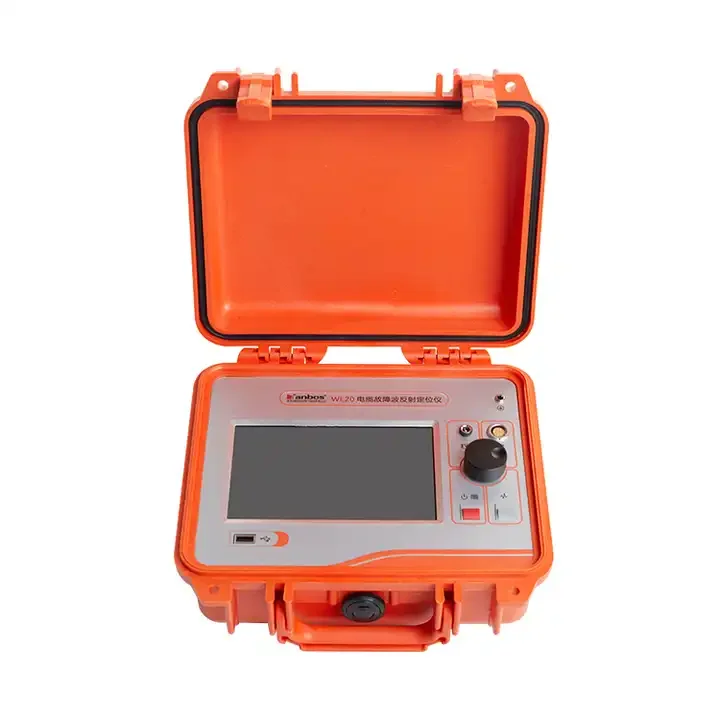
Time domain reflectometers (TDRs) are specialized devices used for diagnosing faults in cables and overhead lines by sending electrical pulses and measuring the reflections. Understanding time domain reflectometer prices is essential for purchasing managers and engineers, as it directly impacts project budgets and the selection of the right equipment. This article will explore expectations, selection criteria, cost factors, best practices, and applications, helping buyers make informed decisions.
When considering a time domain reflectometer, expect a device that excels in precision and reliability. A tdr reflectometer can identify faults such as shorts, opens, and impedance mismatches by analyzing the time it takes for a signal to return after traveling down a cable. It’s important to look for features like display clarity, pulse width, and signal resolution, which can significantly affect the diagnostics provided.
Buyers should also be aware that TDRs vary in complexity, from handheld models suitable for fieldwork to sophisticated bench units designed for detailed analysis. While price is a considerable factor, the capabilities and durability of the equipment should align with the intended application and operational demands. Understanding these components will ensure that the chosen TDR meets both current and future needs.
Selecting the right time domain reflectometer involves evaluating several critical factors:
Application Requirements: Understand the specific needs of your project. For instance, high-voltage applications may require tdr time domain reflectometer with enhanced safety features and capabilities to handle higher signal levels.
Specifications: Key specifications to consider include pulse width, sample rate, and distance range. A shorter pulse width can yield higher resolution in detecting faults, while a longer range is essential for extensive cable systems.
User Interface: A TDR should have an intuitive interface for ease of use, particularly for teams that may not have extensive technical training. Features like touch screens and graphical displays can enhance usability.
Durability and Portability: Depending on whether the TDR will be used in a laboratory or field settings, consider its ruggedness and size. Handheld models should be lightweight and easy to transport.
Technical Support and Training: Evaluate the manufacturer’s offerings for training and after-sales support. A reliable supplier can provide ongoing assistance, which is crucial for effective operation and maintenance.
Customization Options: Some manufacturers offer tailored solutions to meet specific operational requirements. Assess if your project would benefit from such customization.
By carefully considering these factors, buyers can select a TDR that not only meets their immediate needs but also provides long-term value.
Time domain reflectometer prices can vary significantly based on several cost factors:
Base Model vs. Advanced Features: Basic models will typically be less expensive, while advanced features such as enhanced graphical capabilities, higher precision measurements, and additional functionalities will increase the price.
Volume Discounts: Purchasing TDRs in bulk can lead to substantial savings. Many manufacturers offer tiered pricing based on order quantity, which can be beneficial for companies looking to equip multiple teams.
Brand Reputation: Established manufacturers like Tanbos, known for their specialized fault diagnosis equipment, may command higher prices due to their proven reliability and service support. However, investing in a reputable brand often results in better long-term ROI.
Additional Costs: Don’t overlook costs related to warranties, service agreements, and accessories. Some time domain reflectometer may require specific cables or adapters that add to the total cost.
Market Trends: Keep an eye on market trends and technological advancements that may affect pricing. As new models are released, older versions may drop in price, providing an opportunity for buyers to obtain capable equipment at a lower cost.
Understanding these factors will enable purchasing managers to make cost-effective decisions while ensuring they invest in the right technology for their needs.
To maximize the effectiveness of a time domain reflectometer, consider following these best practices:
Training: Ensure that all users receive comprehensive training on the TDR's operation and interpretation of results. Proper training can significantly reduce errors in fault diagnosis.
Regular Calibration: Periodically calibrate the TDR to maintain accuracy. This is especially critical for high-precision applications where small errors can lead to incorrect assessments.
Maintenance: Implement a routine maintenance schedule to keep the equipment in optimal condition. Regular checks can help identify potential issues before they affect performance.
Data Management: Develop a system for recording and analyzing data collected from TDRs. This can help in identifying patterns in faults and improving overall system reliability.
Sample Testing: Before mass implementation, use the TDR on sample cables to confirm that it meets your operational needs. This testing phase can help avoid costly mistakes.
By adhering to these practices, users can ensure efficient operation and longevity of their time domain reflectometers.
Positioned as "Cable Diagnostic Experts at Your Side," we provide professional, trusted technology and support to clients, backed by strong industry credibility and a track record of innovation.
With over 15 years of focused experience in cable detection and testing since 2007, we have built deep expertise in the R&D and manufacturing of intelligent early-warning and fault-diagnosis equipment for cables and overhead lines.
As an innovative technology enterprise, we integrate R&D, technical training, application support, and sales to provide a comprehensive, end-to-end solution for cable diagnostics.
We concentrate our efforts on developing cutting-edge cable diagnostic technologies, enabling precise early warning and reliable fault diagnosis for enhanced grid safety and efficiency.
Time domain reflectometers find applications across various industries, making them versatile tools for fault diagnosis and testing:
Telecommunications: In telecommunications, TDRs are essential for maintaining the integrity of fiber optic and copper cable installations. They help identify faults that could disrupt service and ensure quick repairs.
Power Distribution: Utilities use TDRs to monitor and diagnose faults in overhead power lines and underground cables. Detecting issues early helps prevent outages and ensures reliable power delivery.
Manufacturing: In manufacturing settings, TDRs assist in testing the integrity of internal wiring in machinery and equipment, ensuring optimal performance and safety.
Construction: Contractors employ TDRs during the installation of electrical systems to verify cable integrity and compliance with project specifications.
Transportation: Railways and other transportation sectors utilize TDRs for monitoring track integrity and signaling systems, ensuring safety and reliability in operations.
Understanding these applications can help buyers identify the right TDR model tailored to their specific industry requirements, ensuring efficient operations and enhanced fault detection capabilities.
In summary, investing in a time domain reflectometer requires careful consideration of various factors including specifications, cost, and application suitability. By following best practices and understanding market dynamics, purchasing managers can make informed decisions that enhance operational efficiency and reliability.
 AR
 HR
 CS
 NL
 FR
 DE
 EL
 HI
 IT
 JA
 KO
 NO
 PL
 PT
 RO
 RU
 ES
 SV
 TL
 IW
 ID
 SR
 SK
 UK
 VI
 ET
 HU
 TH
 TR
 FA
 MS
 GA
 HY
 AZ
 UR
 BN
 LA
 MN
 KK