A company of Xianheng international
 EN
A company of Xianheng international
EN
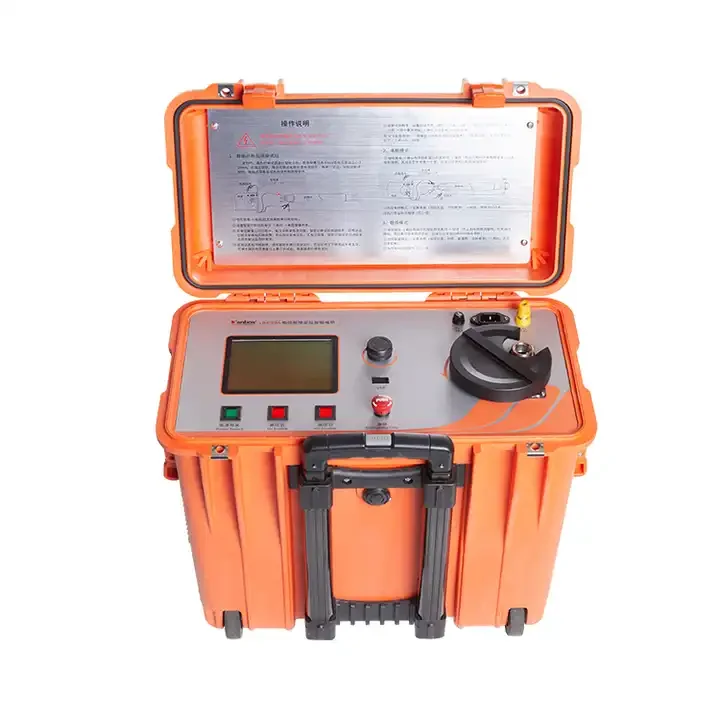
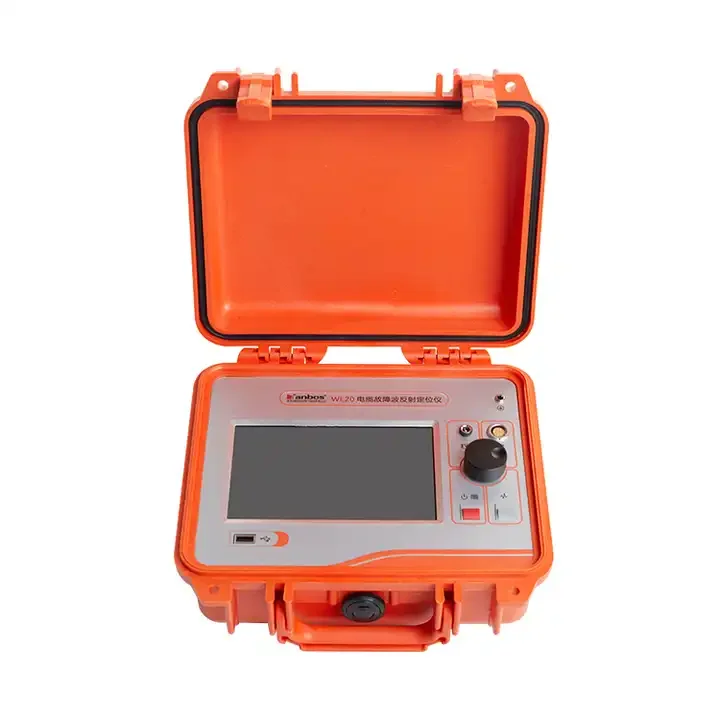
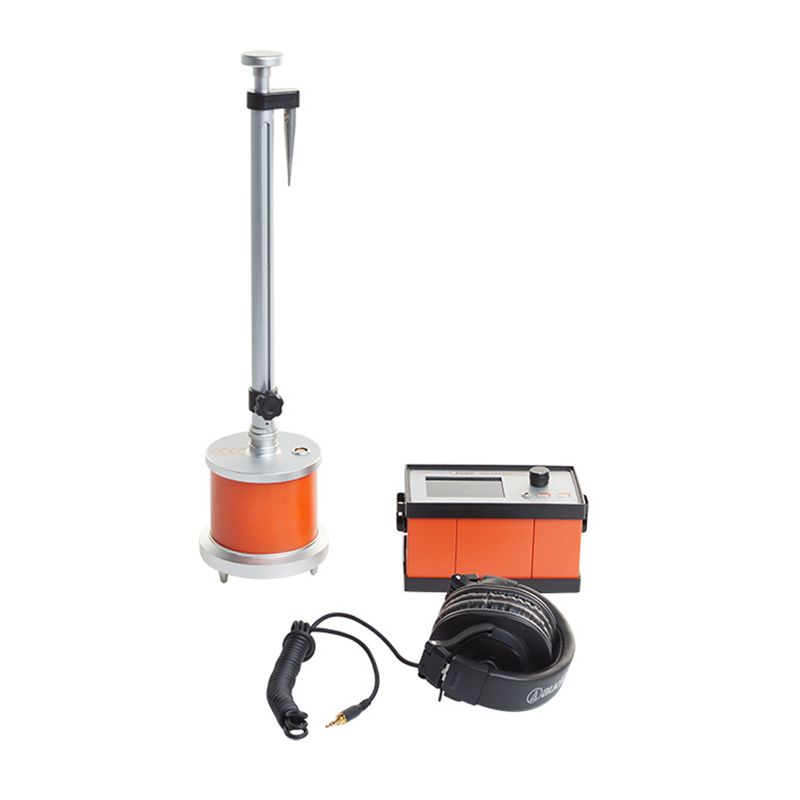
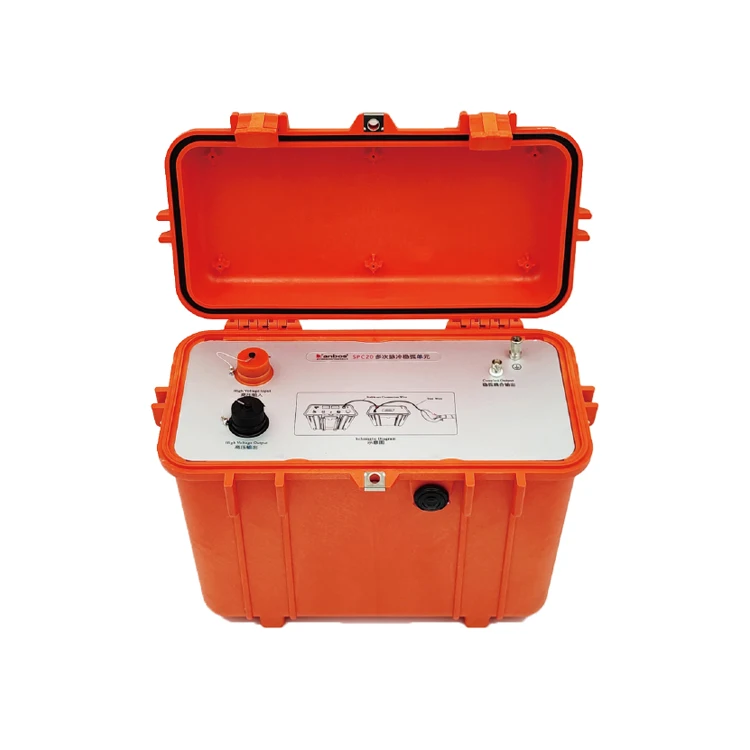
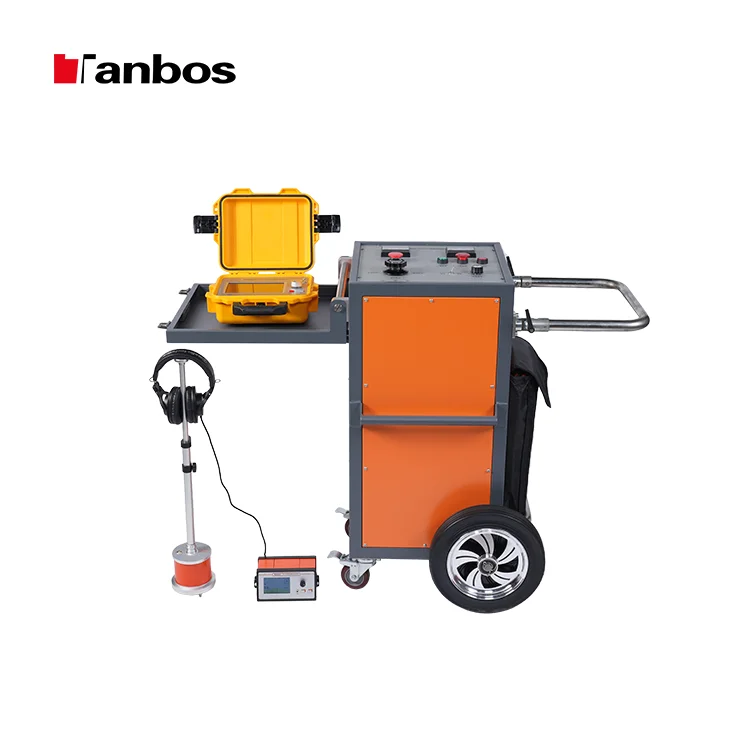
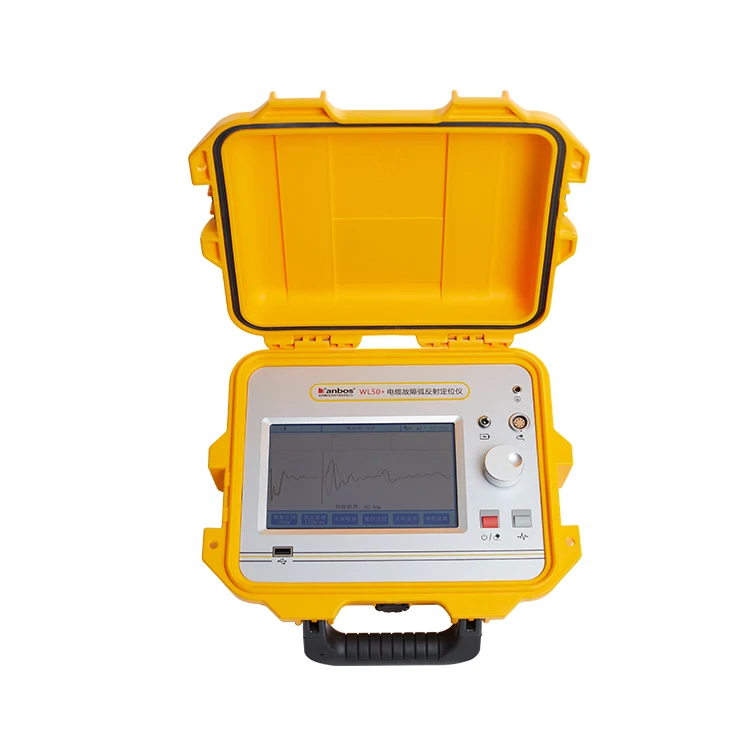
Understanding the underground cable fault detector is crucial for professionals in the manufacturing and utilities sectors. This specialized equipment is designed to identify and diagnose faults in underground Cable Fault Locationcables and overhead lines, enabling timely maintenance and reducing downtime. As a B2B buyer, your main concerns may include product specifications, reliability, and supplier trustworthiness. This article will provide insights into the key specifications of underground cable fault detectors, sourcing reliable suppliers, evaluating product quality, installation guidance, and common problems along with their solutions.
When selecting an underground cable fault detector, several key specifications are critical to ensuring optimal performance. The primary specifications to consider include:
Detection Range: This specifies the maximum distance over which the detector can accurately identify faults. A wider detection range is essential for large infrastructure projects, ensuring that any faults can be pinpointed without excessive manual searching.
Measurement Accuracy: Look for detectors that provide precise fault location measurements. Accuracy is vital to minimize unnecessary excavation and repair work, which can be costly and time-consuming.
Operating Environment: Consider the environmental conditions in which the detector will be used. Units should be rated for factors such as temperature extremes, moisture, and dust, ensuring durability and reliability in various conditions.
Power Supply: The type of power supply—battery-operated or mains-connected—can significantly impact portability and ease of use. Battery-operated models offer greater mobility, while mains-powered units may provide longer operational life during extensive projects.
User Interface: A clear, intuitive user interface facilitates ease of operation. Look for devices that feature digital displays, graphical interfaces, and straightforward controls.
Understanding these specifications not only aids in selecting the right equipment but also helps in planning for training and operational integration.
Sourcing reliable suppliers for underground cable fault detectors is paramount for ensuring product quality and support. Here are several strategies to identify trustworthy manufacturers:
Industry Directories and Trade Shows: Participating in industry trade shows or consulting professional directories can connect you with reputable manufacturers. These platforms often showcase the latest technology and provide opportunities to meet suppliers face-to-face.
Certifications and Standards: Verify that potential suppliers hold relevant industry certifications, such as ISO 9001, which indicates a commitment to quality management. This can be a strong indicator of a supplier's reliability.
Customer Reviews and Case Studies: Look for testimonials or case studies from existing customers. This feedback can offer insights into the supplier's product performance, customer service, and support.
Technical Support and Training: Consider suppliers who offer comprehensive technical support and training programs. This additional service can be crucial for ensuring your team is adequately prepared to use the equipment effectively.
Customization Capabilities: Identify suppliers that can accommodate specific customization requests, ensuring that the detectors meet your unique operational requirements.
By thoroughly vetting potential suppliers using these strategies, you can establish a reliable partnership that enhances your operational efficiency.
Evaluating the quality of underground cable fault detection solutions involves a systematic approach:
Material Quality: Investigate the materials used in the construction of the detectors. High-quality components contribute to durability and performance. Ensure that the casing is made from robust materials that can withstand harsh environmental conditions.
Quality Control Processes: Inquire about the supplier's quality control procedures. A manufacturer with stringent quality checks at various stages of production is likely to deliver more reliable products.
Testing and Certification: Request information on testing procedures and certifications obtained by the product. Equipment that has undergone rigorous testing and meets industry standards is usually more trustworthy.
Warranty and After-Sales Support: Assess the warranty terms offered by the manufacturer. A longer warranty period often reflects confidence in product durability. Additionally, reliable after-sales support is crucial for addressing any post-purchase issues.
Performance Metrics: Look for documented performance metrics from previous deployments. This data can provide insight into how the equipment has performed in real-world applications.
By focusing on these evaluation criteria, you can select a high-quality underground cable fault detector that meets your operational needs.
Proper installation and setup of underground cable fault detectors are essential for achieving accurate results. Here are some key steps to follow:
Pre-installation Assessment: Conduct a site assessment to understand the specific conditions and requirements for the installation. This should include identifying existing infrastructure and potential hazards.
Follow Manufacturer Guidelines: Adhere strictly to the manufacturer’s installation instructions. This ensures that all components are set up correctly, maximizing the detector’s performance.
Calibration: Proper calibration is vital before the first use. This process may involve adjusting settings based on the specific cable types and environmental conditions. Ensure that calibration is performed according to the manufacturer's recommendations.
Training for Users: Provide comprehensive training for all personnel who will operate the equipment. Familiarity with the device helps in executing operations smoothly and effectively.
Regular Maintenance Checks: Implement a routine maintenance schedule to ensure the equipment remains in good working condition. Regular checks can prevent minor issues from escalating into major problems.
By following these guidelines, you can ensure that your cable fault detectors are installed correctly and function effectively, reducing the risk of faults going undetected.
We concentrate our efforts on developing cutting-edge cable diagnostic technologies, enabling precise early warning and reliable fault diagnosis for enhanced grid safety and efficiency.
Positioned as "Cable Diagnostic Experts at Your Side," we provide professional, trusted technology and support to clients, backed by strong industry credibility and a track record of innovation.
With over 15 years of focused experience in cable detection and testing since 2007, we have built deep expertise in the R&D and manufacturing of intelligent early-warning and fault-diagnosis equipment for cables and overhead lines.
As an innovative technology enterprise, we integrate R&D, technical training, application support, and sales to provide a comprehensive, end-to-end solution for cable diagnostics.
Despite their advanced technology, underground cable fault detectors can encounter several common problems. Understanding these issues and their solutions can enhance operational efficiency:
Inaccurate Fault Location: This can occur due to improper calibration or environmental interference. Regular calibration and field testing are essential to maintain accuracy. Ensuring that the device is free from external electromagnetic interference can also help.
Battery Life Issues: Battery-operated models may experience reduced performance if the batteries are not adequately charged or maintained. Regularly check battery health and invest in high-quality batteries to ensure consistent operation.
User Error: Often, incorrect operation can lead to erroneous readings. Providing thorough training for users can mitigate this issue significantly, ensuring they understand how to interpret the data accurately.
Environmental Constraints: Extreme weather conditions can affect the performance of detectors. When operating in harsh environments, consider using equipment with appropriate environmental ratings to ensure reliability.
Software Glitches: Some modern detectors rely on software for data analysis. Regularly updating software and checking for firmware updates can help in avoiding performance issues related to software bugs.
By being aware of these common challenges and implementing preventive measures, you can ensure the reliable operation of underground cable fault detectors in your applications.
 AR
 HR
 CS
 NL
 FR
 DE
 EL
 HI
 IT
 JA
 KO
 NO
 PL
 PT
 RO
 RU
 ES
 SV
 TL
 IW
 ID
 SR
 SK
 UK
 VI
 ET
 HU
 TH
 TR
 FA
 MS
 GA
 HY
 AZ
 UR
 BN
 LA
 MN
 KK