EN
EN
 AR
AR HR
HR CS
CS NL
NL FR
FR DE
DE EL
EL HI
HI IT
IT JA
JA KO
KO NO
NO PL
PL PT
PT RO
RO RU
RU ES
ES SV
SV TL
TL IW
IW ID
ID SR
SR SK
SK UK
UK VI
VI ET
ET HU
HU TH
TH TR
TR FA
FA MS
MS GA
GA HY
HY AZ
AZ UR
UR BN
BN LA
LA MN
MN KK
KK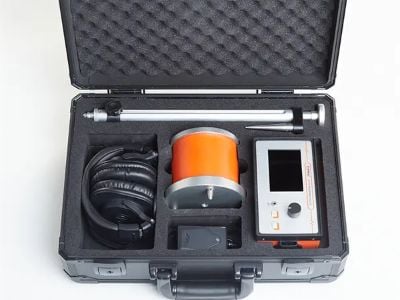
Қазіргі заманғы жоғары кернеу (ЖК) кабельді сынау құрылғысы электр жүйелерінің сенімділігі мен қауіпсіздігін қамтамасыз ету үшін өте маңызды. Салауатты жұмыс орындарын жеңілдету арқылы бұл алғы шегіндегі құрылғы өндіріс, инженерлік және электр салаларындағы мамандарға толық көлемде сынауларды тиімді жүргізуге мүмкіндік береді. Бұл мақалада қазіргі заманғы hv кабельдің дефектін табу апараты құрылғы салауатты жұмыс орындарындағы тиімділікті қалай арттыратыны, таңдау процесіне қандай бағыт беретіні, құнына қатысты ескертулер, жиі кездесетін сынау проблемалары мен орнату нұсқаулығы қарастырылады. Бұл аспектілерді түсіну сатып алу басқарушыларына, инженерлерге және басқа B2B сатып алушыларға ЖК кабельді сынау шешімдерін таңдаған кезде дұрыс шешім қабылдауға көмектеседі.
Қазіргі заманғы ЖК кабельді сынау құрылғысы салауатты жұмыс орындарындағы тиімділікті қалай арттырады?
Қазіргі заманғы ЖК кабельді сынау құрылғысы сынау процесін жеңілдетеді, бұл өте көп уақыттың үнемделуіне және жалпы өнімділіктің артуына әкеледі. Алғы шегіндегі технологияларды интеграциялау арқылы бұл кабельдік деңгей құрылғылар кабельдің бүтіндігі мен өнімділігін жылдам бағалауға мүмкіндік береді, бұл техникалық қызмет көрсету мен ақауларды анықтау үшін өте маңызды.
Тиімділікті арттыратын негізгі сипаттардың бірі — автоматтандырылған деректерді жинау мен талдау. Көптеген заманауи тестерлер автоматты түрде сынақ нәтижелерін жазып алатын және оларды интерпретациялайтын бағдарламалық қамтамасыз етумен жабдықталған. Бұл қолмен есептеулерге қажеттілікті жою арқылы анық диагностикалық нәтижелер береді. Бұл уақытты үнемдейді және адам қателерінің пайда болу ықтималдығын азайтады.
Сондай-ақ, қазіргі жоғары кернеу (HV) кабельдерін сынауға арналған құрылғылардың жеңіл және тасымалданатын конструкциясы олардың алаңда оңай тасымалдануын және орнатылуын қамтамасыз етеді. Бұл техниктерге кеңістіктің дайындалуына көп уақыт кетірмей, тікелей объектіде сынақтар өткізуіне мүмкіндік береді. Бұл икемділік жобалардың мерзімінде орындалуын қамтамасыз етеді және кез келген ақауларды немесе ауытқуларды уақытылы анықтап, шешуге мүмкіндік береді, сондықтан жобалардың мерзімінен кешігуін болдырмауға көмектеседі.
Жобаларыңыз үшін дұрыс жоғары кернеу (HV) кабельдерін сынауға арналған құрылғыларды таңдау
Сәйкес ЖЖ кабельдерін сынау құрылғысын таңдау кезінде сатып алушылардың өз жобаларының нақты талаптарына сай болуы үшін бірнеше маңызды факторларды ескеруі қажет. Біріншіден, сыналатын кернеңің деңгейлері, изоляциялық кедергі және кабельдердің түрлері сияқты сынау параметрлерін бағалау маңызды. Әрбір құрылғының мүмкіндіктері әртүрлі болғандықтан, олардың техникалық сипаттамаларын түсіну өте маңызды.
Сатып алушылар құрылғының қолданыстағы жүйелер мен инфрақұрылыммен сәйкестігін де ескеруі керек. Мысалы, кейбір сынағыштардың тиімді жұмыс істеуі үшін белгілі бір бағдарламалық немесе аппараттық конфигурациялары қажет болуы мүмкін. Сонымен қатар, қызметкерлердің құрылғыны сауатты басқаруы үшін қажетті пайдалану ыңғайлылығы мен дайындық деңгейін бағалау керек.
Таңдау мүмкіндіктері де маңызды. Қолданысқа байланысты кейбір сатып алушыларға арнайы сынақ жағдайларын қанағаттандыру үшін арнайы функциялар немесе қосымша құрылғылар қажет болуы мүмкін. Tanbos сияқты ақылды сынақ шешімдерімен айналысатын тәжірибелі тәрбиелік құралдар өндірушілерімен байланыс орнату, нақты қажеттіліктерге сай ең тиімді конфигурациялар мен таңдаулы шешімдер туралы кеңестер береді.
Жоғары кернеу кабельдерін сынау құралдарын сатып алу кезіндегі құндық факторлар
Жоғары кернеу кабельдерін сынау құралдарын сатып алу кезінде құн негізгі фактор болып табылады, бірақ бастапқы сатып алу бағасынан тыс қарау маңызды. Сатып алушылар құралдың жалпы иелену құнын бағалауы керек — бұған үнемі жүргізілетін техникалық қызмет көрсету, пайдалану шығындары және мүмкін болатын оқыту шығындары кіреді.
Екінші қарастырылатын фактор — жабдықтың күтілетін жұмыс істеу мерзімі. Жоғары сапалы тестерлерге инвестициялау бастапқыда қымбатқа түсуі мүмкін, бірақ төмендетілген жөндеу шығындары мен ұзақ қызмет ету мерзімі арқасында ұзақ мерзімді шығындарды азайтуға әкеледі. Сондай-ақ, кепілдік шарттары мен кейінгі сатыдан кейінгі қолдау туралы сұрау да тиімді, себебі олар жалпы құнға маңызды әсер етеді.
Сонымен қатар, сатып алушылар әсіресе қысқа мерзімді қажеттіліктер үшін жалға алу немесе жалға беру келісімдерінің олардың жобалары үшін тиімдірек болуы мүмкіндігін бағалауы керек. Әртүрлі сатып алу стратегияларының қаржылық салдарын түсіну сатып алушыларға бюджеттік шектеулеріне сай тиімді шешім қабылдауға көмектеседі.
Сахада тексерудегі кеңінен таралған проблемалар мен тиімді шешімдер
Жоғары кернеу кабельдерінің алаңдағы сынағы әртүрлі қиындықтарға әкелуі мүмкін. Осындай қиындықтардың бірі — температураның тербелісі мен ылғалдылық сияқты сыртқы факторларға байланысты дәл емес көрсеткіштер болып табылады. Бұл қиындықты жеңу үшін өндірушілер көбінесе сынақтарды бақыланатын жағдайларда өткізу немесе сынақ құрылғысына компенсациялық шаралар қолдануды ұсынады.
Тағы бір кең тараған мәселе — сынақтан бұрын кабельдерді дұрыс дайындамау. Кабель бетіндегі кез келген ластану немесе ылғал қате нәтижелерге әкелуі мүмкін. Мұны болдырмау үшін техниктер сынақты бастамас бұрын кабельдердің таза және құрғақ екендігіне көз жеткізуі тиіс.
Сондай-ақ, деректерді дұрыс түсінбеу қате қорытындыларға алып келуі мүмкін. Техниктердің құрылғы мен сынақ протоколдары туралы терең түсінігі болуы өте маңызды. Регулярлық оқыту мен қайталау курстары сынақ жұмыстарына қатысатын персоналдың біліктілігін қатты арттырады, қателердің пайда болу ықтималдығын азайтады және жалпы сынақ нәтижелерін жақсартады.
Жоғары кернеу сымдарын сынау құрылғыларын тиімді пайдалану үшін орнату нұсқаулығы
Жоғары кернеу сымдарын сынау жабдығын дұрыс орнату — дәл нәтижелер алу мен жоғары өнімділікке қол жеткізу үшін өте маңызды. Алдымен өндірушінің орнату нұсқаулығын мұқият оқып, толық түсіну керек. Әрбір кабель қателерін анықтау құрылғының орналастыруы, қосылуы және жұмыс істеу ортасы бойынша нақты талаптары болуы мүмкін.
Орнату кезінде барлық қосылыстардың сенімді екендігін қамтамасыз етіңіз және жабдықты өндірушінің көрсеткіштеріне сәйкес калибрлеңіз. Калибрлеу параметрлерін ретті тексеру сынау нәтижелеріндегі дәлсіздіктерді болдырмауға және сынау процесінің сенімділігін сақтауға көмектеседі.
Сонымен қатар, операторлар сынау жабдығының бағдарламалық интерфейсімен танысуы керек, себебі көптеген заманауи сынау құрылғылары кеңейтілген талдау мүмкіндіктерімен жабдықталған. Бағдарламалық жабдықпен тиімді жұмыс істеу бойынша дайындық техниктің нәтижелерді дұрыс түсінуі мен жабдықты тиімді пайдалануын жақсартады.
Қорытындылай келе, қазіргі заманғы жоғары кернеулі кабельді сынау құрылғыларының алаңдағы жұмысты қалай жеңілдететінін түсіну B2B сатып алушыларға өз іс-әрекеттерінің тиімділігі мен сенімділігін арттыруға бағытталған дұрыс шешім қабылдауға мүмкіндік береді. Дұрыс құрылғыны таңдау, құнына әсер ететін факторларды ескеру, кеңінен кездесетін қиындықтарға шешім табу және дұрыс орнатуды қамтамасыз ету арқылы сатып алу басқарушылары мен инженерлер сынау процестерін әлдеқайда жақсарта алады.
Мазмұны
- Қазіргі заманғы ЖК кабельді сынау құрылғысы салауатты жұмыс орындарындағы тиімділікті қалай арттырады?
- Жобаларыңыз үшін дұрыс жоғары кернеу (HV) кабельдерін сынауға арналған құрылғыларды таңдау
- Жоғары кернеу кабельдерін сынау құралдарын сатып алу кезіндегі құндық факторлар
- Сахада тексерудегі кеңінен таралған проблемалар мен тиімді шешімдер
- Жоғары кернеу сымдарын сынау құрылғыларын тиімді пайдалану үшін орнату нұсқаулығы