EN
EN
 AR
AR HR
HR CS
CS NL
NL FR
FR DE
DE EL
EL HI
HI IT
IT JA
JA KO
KO NO
NO PL
PL PT
PT RO
RO RU
RU ES
ES SV
SV TL
TL IW
IW ID
ID SR
SR SK
SK UK
UK VI
VI ET
ET HU
HU TH
TH TR
TR FA
FA MS
MS GA
GA HY
HY AZ
AZ UR
UR BN
BN LA
LA MN
MN KK
KK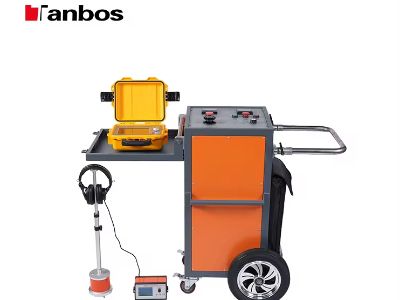
Portable cable fault testers are vital tools for utility maintenance teams, enabling rapid detection and diagnosis of cable faults. By minimizing downtime, these testers allow teams to respond quickly to issues, thus maintaining service continuity. We will explore how portable cable fault testers enhance maintenance efficiency, key considerations for selecting the right model, essential specifications for potential buyers, cost factors for bulk orders, and the features and benefits that make these devices indispensable in utility management.
How Portable Cable Fault Testers Enhance Utility Maintenance Efficiency?
Portable cable fault testers significantly enhance the efficiency of utility maintenance teams by providing rapid fault detection and location capabilities. These devices enable teams to identify issues quickly, reducing the time spent on troubleshooting and repairs. With advanced diagnostic features, such as time-domain reflectometry (TDR) and insulation resistance testing, maintenance personnel can precisely locate faults, whether they stem from insulation failure, water ingress, or other common issues.
The ability to conduct tests on-site eliminates the need for prolonged outages; teams can diagnose and fix problems while minimizing service disruptions. This not only increases operational efficiency but also improves customer satisfaction by ensuring reliable portable tester delivery. Furthermore, the portability of these testers allows for flexible use across various locations, making them essential for teams that handle multiple sites.
What to Consider When Choosing a Portable Cable Fault Tester?
When selecting a portable cable fault tester, several factors should be considered to ensure it meets the specific needs of your utility maintenance operations.
Test Range and Capability: Ensure the tester can handle the voltage levels and cable types specific to your applications. Some testers are designed for low-voltage systems, while others can manage high-voltage cables.
User Interface: A straightforward and intuitive interface can streamline operation and reduce training time for staff. Look for testers with clear displays and easy navigation options.
Data Logging and Reporting: Modern testers often come with data logging capabilities, allowing for analysis and reporting of test results. This feature can be invaluable for tracking performance trends over time and justifying maintenance decisions.
Durability and Portability: Given the outdoor conditions maintenance teams often work in, the tester should be rugged and easy to transport. Consider models that come with protective cases and are lightweight.
Manufacturer Support and Training: Assess the level of support and training offered by the manufacturer, as this can significantly impact the effective use of the equipment.
Key Specifications of Portable Cable Fault Testers for Buyers
Understanding key specifications is crucial for buyers when selecting a portable cable fault tester. Here are some essential parameters to consider:
Voltage Ratings: The tester should be compatible with the voltage levels of the cables being tested, typically ranging from low voltage (up to 1kV) to high voltage (above 1kV).
Testing Modes: Look for versatile testing modes such as DC insulation resistance, TDR, and VLF (very low frequency) testing, which allow for comprehensive portable cable fault locator diagnosis.
Measurement Accuracy: High accuracy in measurements is essential for reliable results. Check the manufacturer’s specifications for accuracy ratings in different testing modes.
Battery Life: A longer battery life ensures uninterrupted testing in the field, reducing the frequency of recharges and downtime.
Weight and Size: Compact and lightweight models enhance portability, especially for teams that need to move frequently between sites.
Buyers should prioritize specifications that align with their operational needs, ensuring the selected model can deliver effective performance in real-world situations.
Cost Factors to Evaluate for Bulk Orders of Cable Fault Testers
When evaluating the cost of purchasing portable cable fault testers in bulk, several factors should be considered:
Unit Price: Bulk orders often qualify for discounts, so inquire about pricing tiers based on order volumes. It is also beneficial to compare prices across different manufacturers.
Shipping Costs: Consider shipping fees, as they can significantly impact overall spending. Opting for local suppliers may reduce transportation costs.
Warranty and Support Services: Understand what warranties and post-purchase support are included. A robust warranty can save costs in the long term by covering repairs or replacements.
Training Costs: Factor in any potential training costs for staff to effectively use the equipment. Some manufacturers offer training as part of the purchase agreement, which can be a valuable service.
Maintenance and Calibration: Assess the cost and frequency of required maintenance and calibration to keep the testers functioning optimally.
By weighing these factors, buyers can make informed decisions that align with their budget while ensuring they acquire the best tools for their maintenance teams.
Features and Benefits
Portable cable fault testers come equipped with various features that provide significant benefits to utility maintenance teams:
Rapid Fault Location: Advanced testing technologies, such as TDR, allow for quick identification of fault locations, which is crucial for minimizing downtime.
Versatile Testing Capabilities: Many testers can perform multiple types of tests, from insulation resistance to fault location, making them versatile tools for various applications.
User-Friendly Interfaces: Modern testers often feature intuitive displays that simplify the testing process, ensuring that even less experienced staff can operate the equipment effectively.
Robust Data Management: Features such as data logging and connectivity options allow for easy documentation and reporting of test results, supporting compliance and planning.
Improved Reliability: With accurate portable cable fault locator detection, teams can address issues before they escalate, improving the overall reliability of the electrical network.
Investing in a high-quality portable cable fault tester not only enhances the efficiency of utility maintenance teams but also contributes to better service delivery and operational reliability in the long term. By understanding the specific needs and specifications of these testers, buyers can make informed choices that significantly impact their maintenance operations.