EN
EN
 AR
AR HR
HR CS
CS NL
NL FR
FR DE
DE EL
EL HI
HI IT
IT JA
JA KO
KO NO
NO PL
PL PT
PT RO
RO RU
RU ES
ES SV
SV TL
TL IW
IW ID
ID SR
SR SK
SK UK
UK VI
VI ET
ET HU
HU TH
TH TR
TR FA
FA MS
MS GA
GA HY
HY AZ
AZ UR
UR BN
BN LA
LA MN
MN KK
KK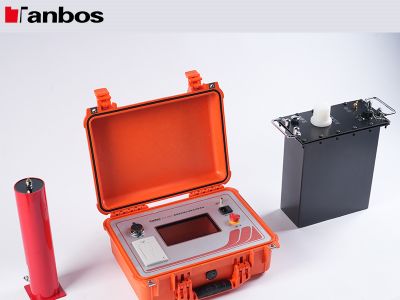
Understanding how to operate a VLF (Very Low Frequency) Hipot Tester effectively is crucial for ensuring the safety and reliability of electrical insulation systems. These testers are essential tools for detecting faults in cables and overhead lines. However, improper use can lead to significant mistakes, resulting in equipment damage or inaccurate readings. We provide practical operation tips to avoid common mistakes when using vlf hipot testers, helping you enhance your testing accuracy and efficiency.
Practical Tips for Choosing the Right VLF Hipot Tester for Your Needs
Selecting the appropriate VLF Hipot tester is critical to achieving reliable test results. Begin by assessing your specific application requirements. Consider the voltage level your insulation needs to withstand; VLF testers are available in various voltage ratings. For instance, if you’re testing high-voltage cables, a vlf hipot tester with a minimum output of 0.1 Hz frequency is typically recommended for more effective insulation stress.
Next, evaluate the tester's features. Some models come equipped with advanced functionalities such as automatic discharge, built-in fault location capabilities, and data logging features. These can significantly enhance operational efficiency and data accuracy. Additionally, ensure the tester complies with relevant industry standards, such as IEEE 400 or IEC 60230, as this can affect its reliability and acceptance in the industry.
Finally, consider the manufacturer's reputation and support services. Opt for reputable manufacturers like Tanbos, known for their advanced technology in fault diagnosis equipment, ensuring that you receive not just a product but also reliable customer support and training.
What to Look for in VLF Hipot Testers?
When evaluating VLF Hipot testers, several specifications and features should be prioritized. Key specifications include output voltage, frequency, and insulation resistance measurement range. The output voltage should match the insulation requirements of the cables or systems under test. For example, if you’re working with medium-voltage cables, a tester that can output up to 40 kV is often necessary.
Frequency settings are also important; most VLF testers operate at 0.1 Hz or 0.01 Hz. A lower frequency is generally preferred for long cables as it provides a more accurate representation of the insulation condition.
Insulation resistance measurement capability is another critical feature. A tester that can measure resistance levels from 1 MΩ to 10 GΩ allows for a comprehensive assessment of cable insulation integrity. Furthermore, look for added features such as graphical displays for performance tracking, and user-friendly interfaces that simplify operation, especially for less experienced technicians.
Installation Guidance for Efficient Use of VLF Hipot Testers
Proper installation and setup of VLF Hipot testers are essential for achieving accurate test results. Start by ensuring that the testing area is safe and free from hazards. Confirm that the cable or equipment is properly grounded and isolated from the power supply to avoid any risk during testing.
Next, carefully connect the tester to the insulation you wish to test. Ensure that all connections are secure and that the test leads are rated for the voltages you will be applying. Inadequate connections can lead to inaccurate readings or even equipment failure.
Once connected, configure the tester settings according to the specifications of the insulation material and the testing procedure. It is crucial to follow the manufacturer's guidelines closely to avoid damaging the equipment or the insulation. Always perform a pre-test check to confirm that all equipment is functioning correctly before proceeding with the actual test.
Common Problems Encountered with VLF Hipot Testers and Solutions
Several issues can arise during the operation of VLF Hipot testers. One common problem is inaccurate readings due to poor connection quality. Ensure that all connections are clean and tightly secured. If connections are corroded or damaged, replace the connectors or cables before conducting tests.
Another frequent issue is the presence of external interference, which can skew results. To mitigate this, conduct tests in environments with minimal electromagnetic interference. If testing in industrial settings, temporarily shutting down nearby equipment may be necessary.
Overheating of the tester can also occur, especially during prolonged testing periods. It is advisable to monitor the tester’s temperature and allow it to cool down during extended test sessions. Regular maintenance checks, cleaning, and calibration of the tester will also help in preventing operational problems.
Where to Source Reliable VLF Hipot Testers for Wholesale Purchases?
Sourcing VLF Hipot testers for wholesale requires careful consideration of several factors. Look for manufacturers that specialize in high-quality testing equipment, such as Tanbos, which has a strong reputation for innovation in fault diagnosis technology.
Check if the manufacturer provides comprehensive product documentation and technical support, which can be invaluable during installation and operation. Additionally, inquire about customization vlf hipot test options, as certain applications may require specific features or configurations not available in standard models.
When evaluating potential suppliers, consider their production capacity and lead times to ensure that they can meet your demands. Requesting samples or conducting a trial run can also be beneficial to assess the product's performance before making a bulk purchase.
In summary, by understanding the nuances of VLF Hipot testers and employing the right operational practices, you can significantly enhance the efficiency and accuracy of your electrical insulation testing. It’s essential to choose the right equipment, follow proper installation procedures, and maintain awareness of common operational challenges to ensure reliable performance.
Table of Contents
- Practical Tips for Choosing the Right VLF Hipot Tester for Your Needs
- What to Look for in VLF Hipot Testers?
- Installation Guidance for Efficient Use of VLF Hipot Testers
- Common Problems Encountered with VLF Hipot Testers and Solutions
- Where to Source Reliable VLF Hipot Testers for Wholesale Purchases?