EN
EN
 AR
AR HR
HR CS
CS NL
NL FR
FR DE
DE EL
EL HI
HI IT
IT JA
JA KO
KO NO
NO PL
PL PT
PT RO
RO RU
RU ES
ES SV
SV TL
TL IW
IW ID
ID SR
SR SK
SK UK
UK VI
VI ET
ET HU
HU TH
TH TR
TR FA
FA MS
MS GA
GA HY
HY AZ
AZ UR
UR BN
BN LA
LA MN
MN KK
KK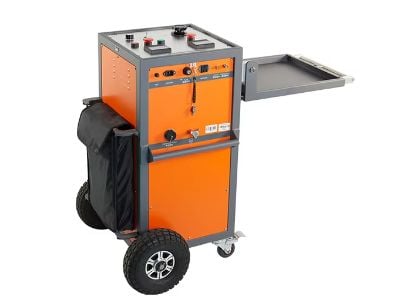
An underground cable fault locator is a crucial tool for identifying and diagnosing issues in subterranean electrical systems, particularly those buried beneath asphalt. Understanding how an underground cable fault locator pinpoints issues is essential for B2B buyers, such as purchasing managers and engineers, who need reliable equipment for maintaining infrastructure. This article will delve into key specifications, cost considerations, applications, and comparisons of fault locators, equipping you with the knowledge needed to make informed purchasing decisions.
Key Specifications to Consider When Choosing a Fault Locator Device
When selecting an underground cable fault locator, several specifications are critical. Begin by assessing the device's detection capabilities, which should include both the types of faults it can identify such as short circuits or insulation failures and the depth and accuracy of detection. Signal range is another vital parameter; a wider range can facilitate troubleshooting over larger areas.
The response time of the locator is also significant. A faster response time allows for quicker diagnosis, minimizing downtime in operations. Ensure the device has a user-friendly interface, which can simplify operation for technicians, especially during stressful situations. Additionally, look for data logging capabilities. This feature allows for the storage of fault data, which can be invaluable for maintaining records and analyzing trends over time.
Finally, consider compatibility with existing systems and the device's portability. Fault locators should ideally be lightweight and easy to transport to various job sites, which is particularly useful for infrastructure projects.
What to Know?
Understanding the operational principles behind underground cable fault locators is essential for effective usage. These devices typically use techniques such as time-domain reflectometry (TDR), where electrical pulses are sent through the cable. When these pulses encounter a fault, the reflection is measured to determine the fault's location. This method requires a solid understanding of the cable break detector characteristics and how they influence signal behavior.
Moreover, familiarity with the environmental factors that can affect performance is crucial. For instance, electromagnetic interference from nearby equipment can distort readings, and variations in soil composition can affect signal propagation. Buyers should also be aware of the importance of calibration; regular calibration ensures that the device maintains accuracy over time.
Additionally, training and support from the manufacturer can significantly enhance the operational effectiveness of the equipment. Suppliers like Tanbos provide comprehensive training and technical support, ensuring that users are well-prepared to utilize their locating devices effectively.
Cost Factors to Consider When Purchasing Fault Locating Equipment
The cost of an underground cable fault locator can vary widely based on several factors. Initial purchase price is a straightforward consideration, but buyers should also account for long-term costs. These can include maintenance, calibration, and training expenses.
Assess whether the device comes with a warranty or service plan. A robust warranty can mitigate some costs associated with repairs or replacements. Additionally, consider the cost of consumables or accessories that may be required for operation. Some advanced fault locators may require specific cable fault detection or connectors that aren't included in the initial purchase, leading to unexpected additional costs.
It's also wise to evaluate the total cost of ownership (TCO). This includes not only the purchase price but also operational costs and the potential savings from reduced downtime and quicker fault resolution. Devices that feature enhanced technology may come at a higher upfront cost but can provide savings over time through efficiency gains.
Applications of Underground Cable Fault Locators in Infrastructure Projects
Underground cable fault locators serve a variety of applications in infrastructure projects. They are primarily used in the utility sector for maintaining power distribution networks, where timely fault detection can prevent widespread outages. In urban settings, these devices are invaluable for locating faults in cables buried under roads, sidewalks, and other structures. Additionally, they are increasingly used in telecommunications for diagnosing issues in fiber optic networks. Quick fault identification enables service providers to minimize downtime and ensure reliable connectivity for cable fault finder and consumers alike. In construction projects, fault locators can assist in site preparation by identifying existing underground infrastructure, thus avoiding damage during excavation. This not only protects existing services but also helps in planning for new installations, making it a critical tool for engineers and project managers.
Comparing Top Underground Cable Fault Locators for Your Needs
When comparing underground cable fault locators, consider the following leading models and their unique features:
Tanbos Smart Locator: Known for its robust detection capabilities and user-friendly interface, this model is ideal for utility companies needing reliable performance in diverse environments. It includes advanced data logging features for analysis.
Model X-1000: This device offers exceptional portability and quick response times, making it suitable for fieldwork. Its calibration system is user-friendly, which reduces the learning curve for new operators.
ProLocate 500: This model is tailored for telecommunications applications, with enhanced capabilities for fiber optic fault detection. Its specialized signal processing allows for precise location identification, even in complex networks.
When evaluating these models, consider specific features relevant to your application, such as depth detection capabilities, user interface design, and available support. Understanding your operational needs will guide you in selecting the most appropriate locator.
By focusing on these aspects, you can make an informed decision that aligns with your organization's requirements and budget.