EN
EN
 AR
AR HR
HR CS
CS NL
NL FR
FR DE
DE EL
EL HI
HI IT
IT JA
JA KO
KO NO
NO PL
PL PT
PT RO
RO RU
RU ES
ES SV
SV TL
TL IW
IW ID
ID SR
SR SK
SK UK
UK VI
VI ET
ET HU
HU TH
TH TR
TR FA
FA MS
MS GA
GA HY
HY AZ
AZ UR
UR BN
BN LA
LA MN
MN KK
KK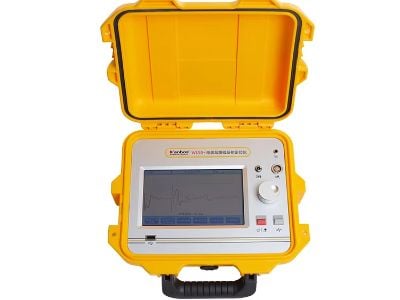
Smart HT LT cable fault locators are advanced tools essential for grid maintenance, enabling efficient detection and diagnosis of faults in electrical systems. Understanding what a smart HT LT cable fault fault locator does is crucial for purchasing managers and other professionals responsible for maintaining electrical grids. This article will provide insights into selecting the right fault locator for your project needs, comparing specifications, understanding common problems they address, and evaluating supplier reliability, ultimately helping you make informed purchasing decisions.
How to Choose the Right Smart Fault Locator for Your Project Needs?
Selecting the right smart HT LT cable fault locator involves assessing several critical factors. Begin by evaluating your specific project requirements, including the types of cables involved, the typical length and complexity of your grid, and the specific fault detection capabilities you need. For instance, consider whether you require a locator that can handle both high tension (HT) and low tension (LT) cables or if your project is limited to one type.
Next, analyze the technical specifications of different models. Key features to look for include the locator's detection range, accuracy, and response time. A locator with a higher detection range can be beneficial for larger grids, while accuracy is vital for minimizing false positives. Additionally, consider ease of use; a user-friendly interface and portability can significantly affect operational efficiency in the field. Finally, assess the support and training provided by the cable fault detection. A reliable supplier will offer comprehensive training to ensure your team can effectively utilize the technology, thus maximizing your investment.
Comparing Specifications of Smart HT LT Cable Fault Locators
When comparing smart HT LT cable fault locators, focus on several essential specifications that impact performance and suitability for your application:
Detection Range: The operational distance over which the locator can accurately identify faults is crucial. Longer ranges are typically necessary for expansive grid systems.
Accuracy and Resolution: Look for locators that provide clear fault location estimates. Higher resolution translates to more precise fault identification, reducing downtime and repair costs.
Response Time: A shorter response time can significantly enhance maintenance efficiency. Evaluate how quickly the locator can detect and report faults, as delays can lead to prolonged outages.
User Interface: A clear, intuitive user interface is vital for minimizing training time and enhancing user experience.
Portability and Durability: Given that these devices are often used in varied environments, ensure that they are built to withstand harsh conditions and are easy to transport.
Battery Life: For fieldwork, a long-lasting battery is crucial. Look for models that provide extended operation times to avoid frequent recharging during use.
Taking the time to compare these specifications will help in selecting a fault locator that aligns with your operational requirements and budget constraints.
Common Problems Addressed by Smart HT LT Cable Fault Locators
Smart HT LT cable fault locators are designed to address several common issues encountered in electrical grid maintenance:
Fault Identification: One of the primary functions is to quickly and accurately locate faults within cables, which can include breaks, shorts, or insulation failures. This capability reduces the time spent troubleshooting.
Minimizing Downtime: By enabling rapid fault detection, these tools significantly decrease the duration of outages, which is crucial for maintaining service reliability in commercial and industrial settings.
Preventive Maintenance: Advanced models can provide diagnostic information that helps identify potential issues before they escalate into serious problems. This proactive approach can prevent costly repairs and service interruptions.
Training and Operational Efficiency: Many smart fault locators come equipped with training modes and user-friendly interfaces, making it easier for staff to operate them effectively and efficiently.
Data Logging and Analysis: Some advanced models may include data logging capabilities, allowing for historical analysis of faults over time. This can be valuable for identifying trends and implementing long-term maintenance strategies.
By understanding these common problems and how smart fault locators address them, purchasing managers can make informed decisions about their grid maintenance tools.
Solutions Offered by Smart Fault Locators for Grid Maintenance Challenges
Smart HT LT cable fault locators provide various solutions to meet the challenges of grid maintenance. Here are some key areas where they excel:
Enhanced Detection Technology: Many smart locators utilize advanced technologies such as Time Domain Reflectometry (TDR) or Frequency Domain Reflectometry (FDR) to provide precise fault location data. These technologies enable quicker and more accurate assessments compared to traditional methods.
Integrated Training Features: Some models come with built-in training functionalities, allowing maintenance teams to practice fault detection techniques without the risk of damaging real infrastructure. This can improve team proficiency and confidence.
Remote Access and Monitoring: Modern smart fault locators may offer remote access capabilities, enabling technicians to monitor equipment status and perform diagnostics from a distance. This feature is particularly useful for overseeing expansive grids.
Customizable Alerts and Notifications: Many locators allow users to set up customized alerts for specific fault types or conditions. This feature helps teams respond proactively to potential issues before they escalate.
Environmental Adaptability: Robust designs ensure that these devices can operate effectively in various environmental conditions, from extreme temperatures to high humidity, which is essential for field operations.
By leveraging these solutions, organizations can enhance their grid maintenance practices, reduce operational challenges, and ultimately improve service reliability.
Evaluating Supplier Reliability for Smart Cable Fault Locators
When selecting a supplier for smart HT LT cable fault locators, reliability is paramount. Here are several factors to consider that can help ensure you choose a trustworthy supplier:
Industry Experience: Look for suppliers with a proven track record in the manufacturing and distribution of cable fault locators. Companies like Tanbos, specializing in intelligent early warning and fault diagnosis equipment since 2007, often have the necessary expertise to guide you in your selection.
Customer Testimonials and Case Studies: Investigate customer feedback and case studies that demonstrate the effectiveness of the supplier’s products. Positive experiences from other companies can provide valuable insights into reliability and performance.
Technical Support and Training: A reliable supplier should offer comprehensive training programs and ongoing technical support. This ensures that your team can fully leverage the capabilities of the fault locators.
Warranty and Service Agreements: Review the warranty terms and service agreements offered by the supplier. A strong warranty reflects the manufacturer’s confidence in their product quality and performance.
Customization Capabilities: If your projects require specific features or modifications, assess the supplier's ability to customize their products. Flexibility in design can be a significant advantage in meeting unique operational needs.
By carefully evaluating these factors, you can establish a partnership with a supplier that not only provides quality cable fault detector but also offers the support necessary for successful implementation and operation.
Table of Contents
- How to Choose the Right Smart Fault Locator for Your Project Needs?
- Comparing Specifications of Smart HT LT Cable Fault Locators
- Common Problems Addressed by Smart HT LT Cable Fault Locators
- Solutions Offered by Smart Fault Locators for Grid Maintenance Challenges
- Evaluating Supplier Reliability for Smart Cable Fault Locators