EN
EN
 AR
AR HR
HR CS
CS NL
NL FR
FR DE
DE EL
EL HI
HI IT
IT JA
JA KO
KO NO
NO PL
PL PT
PT RO
RO RU
RU ES
ES SV
SV TL
TL IW
IW ID
ID SR
SR SK
SK UK
UK VI
VI ET
ET HU
HU TH
TH TR
TR FA
FA MS
MS GA
GA HY
HY AZ
AZ UR
UR BN
BN LA
LA MN
MN KK
KK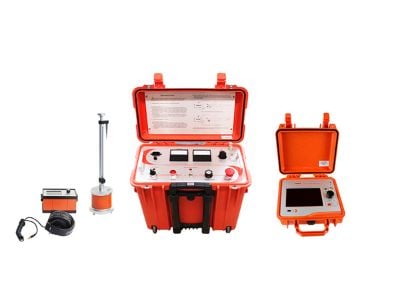
Underground pipe and cable detectors are essential tools for accurately locating buried lines and ensuring safe excavation practices. The secret to finding buried lines with an underground pipe and faulty cable detector lies in understanding the technology, installation guidelines, and common challenges associated with their use. Purchasing managers and engineers often seek reliable, efficient, and high-quality detection equipment, and this article will help them navigate these considerations effectively.
What to Look for in Detection Technology?
When evaluating underground pipe and cable detectors, several key factors should be considered. First, the device's frequency range is crucial; it determines the depth and accuracy of detection. Typically, lower frequencies can penetrate deeper but may provide less resolution, while higher frequencies offer better precision for shallower lines. Buyers should assess the operational environment as well; for instance, some detectors are better suited for urban settings with multiple signal interferences, while others work well in rural areas.
The technology used is also vital. Analog detectors, while often less expensive, may lack the precision of digital models, which often feature advanced signal processing capabilities. Look for cable fault detector that can differentiate between various types of signals, as this can significantly reduce misidentification of lines. Additionally, consider the device's data logging capability, which can be useful for providing evidence of detected lines during project documentation.
Installation Guidance for Efficient Use of Detection Equipment
Proper installation and setup of underground pipe and cable detectors are essential for maximizing their effectiveness. First, ensure that the equipment is calibrated according to the manufacturer's specifications. Calibration helps in achieving accurate readings and minimizes the risk of errors caused by environmental factors.
Before starting detection, operators should familiarize themselves with the equipment's features and functions. It's advisable to conduct a pre-survey check to verify that the cable fault detector machine is functioning correctly and to test it in an area known to have buried lines. This practice helps in understanding how the device behaves under various conditions.
When using the detector, maintain a steady pace while moving the equipment over the ground. Sudden movements can lead to inaccurate readings. Operators should also keep an eye on signal strength and adjust the sensitivity settings as needed. Additionally, using a combination of detection methods, such as electromagnetic and ground-penetrating radar, can enhance accuracy and reliability.
Common Problems in Underground Detection and Their Solutions
Common problems encountered during the use of underground pipe and cable detectors include signal interference, misinterpretation of readings, and equipment malfunction. Signal interference can arise from nearby electronic devices, leading to false positives. To mitigate this, operators should turn off or minimize the use of other electronic devices in the vicinity and choose detection times when there is less electromagnetic activity.
Misinterpretation of readings often stems from a lack of experience with the equipment. Comprehensive training and practice are essential. Companies should invest in training programs that cover the nuances of signal interpretation and the specific characteristics of various buried utilities.
Equipment malfunction can also hinder detection efforts. Regular maintenance checks are vital. Operators should inspect the device for any signs of wear or damage before and after use, ensuring that all components are functioning correctly. If a problem is detected, contacting the manufacturer for support or replacement parts can help avoid downtime.
Features and Benefits Overview
When selecting an underground pipe and cable detector, certain features can provide significant advantages. Look for devices equipped with advanced signal processing algorithms that enhance detection accuracy and reduce false positives. Additionally, a user-friendly interface can streamline operations, making it easier for less experienced operators to use the equipment effectively.
Wireless connectivity is another beneficial feature, allowing for real-time data sharing with team members on-site. This capability can enhance collaboration and efficiency during excavation projects. Furthermore, detectors with robust battery life ensure prolonged usage, especially on large sites where charging may not be feasible.
Another consideration is the weight and portability of the unit. Lightweight models can facilitate easier transport and maneuverability, which is especially important when working in tight spaces or on uneven terrains.
Wholesale Purchasing Tips for Bulk Orders of Detection Devices
When sourcing underground pipe and cable detectors for bulk orders, several key factors should be taken into account. First, confirm the minimum order quantity (MOQ) with suppliers, as this can vary significantly between manufacturers. Understanding the MOQ helps in planning purchasing strategies and managing budget constraints.
Next, evaluate pricing structures. Bulk orders often come with discounts, but it's essential to compare the overall cost, including shipping and handling. Consider negotiating terms that may allow for better pricing or more favorable payment options.
Additionally, assess the supplier's reputation for quality and reliability. Request samples to evaluate the performance of the detectors before committing to a large purchase. It's also prudent to inquire about warranty terms and after-sales support, as these can significantly impact the total cost of ownership and operational efficiency.
Finally, ensure that the supplier can meet your delivery timelines. Delays in receiving detection equipment can impact project schedules, so confirm lead times and discuss any potential bottlenecks in the supply chain.
By approaching purchasing decisions with these considerations in mind, buyers can enhance their procurement process and ensure they select the best underground pipe and cable detectors for their specific needs.