EN
EN
 AR
AR HR
HR CS
CS NL
NL FR
FR DE
DE EL
EL HI
HI IT
IT JA
JA KO
KO NO
NO PL
PL PT
PT RO
RO RU
RU ES
ES SV
SV TL
TL IW
IW ID
ID SR
SR SK
SK UK
UK VI
VI ET
ET HU
HU TH
TH TR
TR FA
FA MS
MS GA
GA HY
HY AZ
AZ UR
UR BN
BN LA
LA MN
MN KK
KK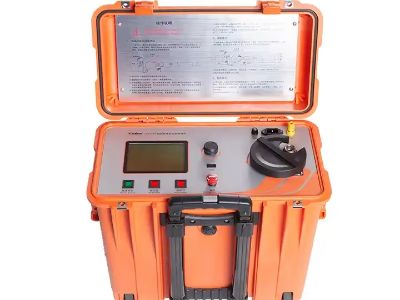
Modern high-voltage (HV) cable testing equipment plays a crucial role in ensuring the safety and reliability of electrical systems. As industries rely on these technologies, understanding what makes HV cable testing equipment safe for operators is paramount. Key concerns for B2B buyers include the equipment's design, operational safety features, and compliance with industry standards. This article will delve into how to evaluate HV cable testing equipment's quality, understand cost factors for bulk orders, address common problems and their solutions, provide installation guidance, and explore the applications of modern HV cable testing equipment in various industries.
How to Evaluate the Quality of HV Cable Testing Equipment?
When evaluating the quality of HV cable testing equipment, several factors must be considered. First, the equipment's construction materials should be robust enough to withstand high voltages and environmental stresses. Common materials used include high-grade plastics and metals that resist corrosion and wear. Buyers should look for products that have undergone rigorous testing to meet international safety standards such as IEC 61010, which governs safety requirements for electrical equipment. Next, the specifications of the equipment are vital. Key parameters include voltage ratings, insulation resistance, and the types of tests the equipment can perform (e. g., insulation resistance testing, power factor testing, and hv cable fault locator fault location). Understanding these specifications helps ensure the equipment meets the specific needs of the application. Quality control processes during manufacturing are equally important. Buyers should inquire about the manufacturer’s quality assurance protocols, including how they conduct inspections and testing during production. Certifications from recognized bodies can also serve as an assurance of quality. A trusted manufacturer like Tanbos, which specializes in intelligent fault diagnosis equipment, will often provide documentation confirming compliance with these standards.
Understanding Cost Factors for Bulk Orders of HV Cable Testing Equipment
Cost factors for bulk orders of HV cable testing equipment can vary significantly based on several elements. First, the type of equipment being ordered and its specifications will influence price. For instance, more complex testing systems that incorporate advanced technology may have higher upfront costs.
Another consideration is the manufacturer's production capacity and lead time. Higher volume orders often benefit from economies of scale, which can reduce the unit price. However, buyers must be aware that the lead time may increase with larger orders due to manufacturing schedules. It's advisable to discuss these factors with suppliers to understand how they can impact overall costs. Packaging and shipping costs are additional considerations that can affect the total price. Equipment that requires specialized packaging to ensure safe transport may incur extra costs. Buyers should also check whether the supplier offers bundled pricing or discounts for long-term contracts or repeat orders, which can lead to substantial savings.
Common Problems with HV Cable Testing Equipment and Their Solutions
Common problems encountered with HV cable testing equipment often relate to operational issues or equipment malfunctions. One frequent issue is improper calibration, which can lead to inaccurate test results. Operators should regularly check calibration settings and follow the manufacturer’s guidelines for maintenance to ensure accuracy. Another problem could be related to the equipment's insulation. Aging insulation can degrade, leading to safety hazards. Regular inspections and testing of insulation integrity are crucial. If any degradation is found, immediate action should be taken, including recalibrating or replacing components as necessary.
Operators may also face user errors, particularly if they are unfamiliar with the equipment. To mitigate this risk, comprehensive training on equipment operation is vital. Manufacturers like Tanbos often provide training alongside their products to ensure users are well-equipped to operate the equipment safely and effectively.
Installation Guidance for Safe Use of HV Cable Testing Equipment
Proper installation of HV cable testing equipment is critical to ensure safe operation and accurate testing results. Before installation, it’s essential to assess the environment where the equipment will be used. This includes ensuring adequate space for operation, ventilation to dissipate heat, and protection from environmental factors like moisture or dust. The installation process should follow the manufacturer's guidelines meticulously. This includes connecting the equipment to the correct power source and ensuring all safety interlocks are functional. A common mistake is overlooking grounding requirements, which can pose significant hazards. Buyers should verify that the equipment has been properly grounded to prevent electrical shock or equipment damage. Once installed, conducting a thorough pre-operation check is essential. This includes hv cable testing equipment all functions and ensuring that safety features, such as emergency shut-off mechanisms, are operational. Regular maintenance checks should also be scheduled to identify any potential issues before they become critical.
Applications of Modern HV Cable Testing Equipment in the Industry
Modern HV cable testing equipment finds applications across various industries, including utility, manufacturing, and telecommunications. In the utility sector, these tools are essential for ensuring the reliability of power transmission systems. They are used for routine maintenance checks, helping to identify potential issues before they lead to outages. In manufacturing, HV cable testing equipment is utilized to test the integrity of cables used in production processes. This is vital for maintaining operational efficiency and safety standards. Telecommunications companies also rely on this equipment to test the integrity of their network cabling, ensuring consistent service delivery. Additionally, with the growing emphasis on renewable energy sources, hv cable tester testing equipment is increasingly used in solar and wind energy installations. These setups require reliable cable infrastructure to handle high voltages and ensure safety. As industries evolve, the demand for advanced and reliable HV cable testing equipment will continue to grow, underscoring the importance of investing in high-quality solutions. In summary, selecting modern HV cable testing equipment involves careful consideration of quality, cost factors, potential issues, installation practices, and application methods. By understanding these key areas, buyers can make informed decisions that enhance operational safety and reliability in their electrical systems.
Table of Contents
- How to Evaluate the Quality of HV Cable Testing Equipment?
- Understanding Cost Factors for Bulk Orders of HV Cable Testing Equipment
- Common Problems with HV Cable Testing Equipment and Their Solutions
- Installation Guidance for Safe Use of HV Cable Testing Equipment
- Applications of Modern HV Cable Testing Equipment in the Industry