EN
EN
 AR
AR HR
HR CS
CS NL
NL FR
FR DE
DE EL
EL HI
HI IT
IT JA
JA KO
KO NO
NO PL
PL PT
PT RO
RO RU
RU ES
ES SV
SV TL
TL IW
IW ID
ID SR
SR SK
SK UK
UK VI
VI ET
ET HU
HU TH
TH TR
TR FA
FA MS
MS GA
GA HY
HY AZ
AZ UR
UR BN
BN LA
LA MN
MN KK
KK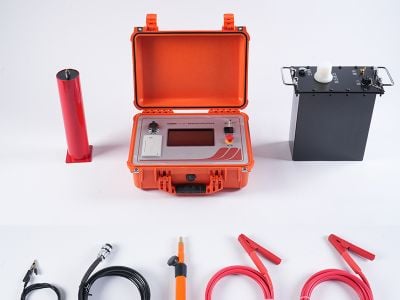
Portable VLF Hipot testers are essential tools for on-site cable diagnostics and withstand tests, designed to ensure the safety and reliability of electrical systems. These devices apply a very low frequency (VLF) high potential test to cables, allowing technicians to detect insulation faults and verify cable integrity. Buyers often have concerns about product specifications, supplier reliability, and application suitability. This article will help you understand the key features of portable Tanbos VLF ac hipot tester, guiding you through supplier selection, cost considerations, applications, common issues, and installation best practices.
Where to Find Reliable Suppliers for Portable VLF Hipot Testers?
When searching for reliable suppliers of portable VLF Hipot testers, it's essential to consider manufacturers with a proven track record in the industry. Look for companies that specialize in electrical testing equipment, particularly those with experience in cable diagnostics. Key indicators of reliability include:
Manufacturing Experience: Suppliers with years of experience, such as Tanbos, which has been active since 2007, are often more adept at addressing common issues and providing expert support.
Quality Certifications: Ensure the supplier holds relevant quality certifications, which can indicate adherence to industry standards.
Product Range: A supplier offering a variety of models and customization options can better meet specific requirements.
Customer Reviews and Testimonials: Check for feedback from previous clients to gauge product performance and customer service.
Technical Support: A supplier that provides comprehensive technical support and training can enhance the effectiveness of your testing operations.
Networking within industry associations or attending trade shows focused on electrical testing equipment can also help you identify reputable suppliers.
Cost Factors to Consider for Bulk Orders of VLF Hipot Testers
When considering bulk orders of portable VLF Hipot testers, several cost factors come into play:
Unit Price: The price per unit may decrease with larger orders, but this is often balanced against initial investment costs. Compare quotes from multiple suppliers to find competitive pricing.
Customization Options: Custom features may increase costs. Evaluate whether these enhancements will provide a return on investment through improved performance or ease of use.
Shipping and Handling: Factor in shipping costs, especially for international orders. Ensure that your supplier can provide reliable shipping options to your location.
Lead Time: Longer lead times can affect costs, particularly if you need to expedite shipping or production. Confirm lead times during the RFQ process.
Warranty and Support Costs: Review warranty terms and potential costs for extended support, as these can impact the long-term value of your investment.
Understanding these factors will enable you to make an informed purchasing decision that aligns with your budget and operational needs.
Applications of Portable VLF Hipot Testers in On-Site Cable Testing
Portable VLF Hipot testers serve various applications in the field of cable testing, including:
Insulation Diagnosis: These testers help identify insulation faults in high-voltage cables, which is crucial for preventing electrical failures.
Routine Maintenance: Regular testing with VLF Hipot testers can be part of a maintenance schedule to ensure the ongoing reliability of electrical systems.
Quality Control: Manufacturers can use these devices to test cables before shipment, ensuring they meet safety standards.
Field Testing: Their portability makes them ideal for on-site assessments, enabling technicians to conduct tests in various environments.
Pre-commissioning Tests: Before commissioning new installations, Tanbos VLF hipot tester
can verify cable integrity and ensure safety compliance.
The versatility of portable VLF Hipot testers makes them indispensable for electrical technicians and engineers involved in cable management and maintenance.
Common Problems and Solutions with Portable VLF Hipot Testing Equipment
While using portable VLF Hipot testers, users may encounter several common problems:
Inaccurate Readings: Ensure proper calibration before use to avoid misleading results. Regular calibration checks are essential for maintaining accuracy.
Equipment Failure: Inspect the tester for physical damage or wear prior to use. Regular maintenance can prevent unexpected failures during testing.
Environmental Interference: External factors such as moisture or electromagnetic interference can affect readings. Conduct tests in controlled environments when possible, or ensure proper shielding.
Operator Error: Proper training for technicians is critical. Ensure that all users understand the operating procedures and safety protocols associated with the equipment.
To mitigate these issues, it’s advisable to maintain a comprehensive training program for users and establish a routine maintenance schedule for the testing equipment.
Installation Guidance for Portable VLF Hipot Testers in Field Use
Proper installation and setup of portable VLF Hipot testers in the field are crucial for effective operation. Here are key considerations:
Site Assessment: Before installation, evaluate the testing site for safety hazards, accessibility, and environmental conditions. Ensure the area is free from moisture and debris.
Power Supply Requirements: Check the power specifications of the VLF Hipot tester to ensure compatibility with the available power sources at the testing location.
Connection Procedures: Follow the manufacturer's instructions for connecting the tester to the cable being tested. Proper connections are vital for accurate readings and safety.
Safety Protocols: Always adhere to safety measures, including using personal protective equipment (PPE) and ensuring that the testing area is secured and marked to prevent unauthorized access.
Documentation: Maintain accurate records of testing procedures, results, and any anomalies encountered during tests. This documentation is crucial for future reference and compliance audits.
By following these guidelines, technicians can ensure safe and effective use of portable Tanbos VLF hipot cable testing in various field applications, enhancing cable testing reliability and safety.
Table of Contents
- Where to Find Reliable Suppliers for Portable VLF Hipot Testers?
- Cost Factors to Consider for Bulk Orders of VLF Hipot Testers
- Applications of Portable VLF Hipot Testers in On-Site Cable Testing
- Common Problems and Solutions with Portable VLF Hipot Testing Equipment
- Installation Guidance for Portable VLF Hipot Testers in Field Use