EN
EN
 AR
AR HR
HR CS
CS NL
NL FR
FR DE
DE EL
EL HI
HI IT
IT JA
JA KO
KO NO
NO PL
PL PT
PT RO
RO RU
RU ES
ES SV
SV TL
TL IW
IW ID
ID SR
SR SK
SK UK
UK VI
VI ET
ET HU
HU TH
TH TR
TR FA
FA MS
MS GA
GA HY
HY AZ
AZ UR
UR BN
BN LA
LA MN
MN KK
KK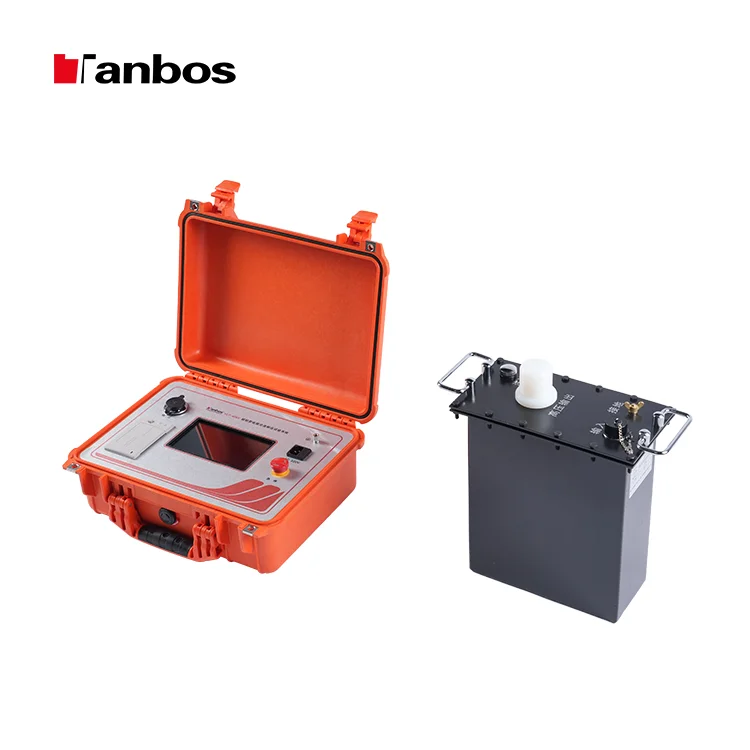
VLF Hipot testers are essential tools for conducting acceptance testing on medium voltage cables, particularly those made from cross-linked polyethylene (XLPE). This comprehensive guide covers the specifications, selection criteria, quality factors, sourcing options, and installation guidance for Tanbos VLF ac dc hipot tester. By understanding these aspects, purchasing managers, engineers, and product managers can make informed decisions that ensure the reliability and safety of their cable systems.
Understanding VLF Hipot Tester Specifications for Medium Voltage Cables
VLF (Very Low Frequency) Hipot testers are designed to apply a high voltage to electrical insulation systems, enabling the detection of potential insulation failures in medium voltage cables. Key specifications to consider include:
Voltage Range: Most VLF Hipot testers operate within a range of 0 to 100 kV. The specific voltage required will depend on the insulation rating of the cables being tested. Always confirm that the tester's output voltage exceeds the maximum expected voltage of the cables.
Frequency: VLF testers typically operate at frequencies between 0.1 Hz and 0.1 kHz. Lower frequencies are advantageous for testing XLPE cables because they reduce dielectric heating, allowing for more accurate assessments of insulation integrity.
Test Duration: The duration of the test is crucial for ensuring thorough insulation assessment. Most VLF Hipot tests last between 30 seconds to several minutes, depending on the application and specific cable requirements.
Output Waveform: VLF testers can produce sinusoidal or trapezoidal waveforms. Sinusoidal waveforms are standard, but trapezoidal waveforms may be preferred for certain applications due to their lower peak voltages.
Understanding these specifications is essential for ensuring that the VLF Hipot tester is suitable for your specific cable testing needs.
How to Choose the Right VLF Hipot Tester for Your Applications?
Selecting the right VLF Hipot tester involves evaluating several factors:
Application Requirements: Assess the specific testing standards and protocols you must adhere to. Different applications may require different testing voltages, frequencies, and durations.
Cable Types: Consider the type of medium voltage cables you will be testing. For instance, XLPE cables require specific dielectric properties, and the tester should be compatible with these materials.
Portability: If testing will be conducted in various locations, consider a portable VLF Hipot tester. These units should be lightweight and easy to transport without compromising testing capabilities.
User Interface: A tester with an intuitive display and user-friendly controls can significantly reduce the learning curve and increase efficiency during testing.
Data Logging Capabilities: Many modern VLF Hipot testers come equipped with data logging features that allow for the recording and analysis of test results. This is particularly useful for compliance documentation and ongoing maintenance.
By carefully considering these factors, you can select a Tanbos VLF 100 kv hipot tester that meets your operational needs and enhances the reliability of your cable testing process.
Key Quality Factors to Evaluate in VLF Hipot Testers
When evaluating VLF Hipot testers, several quality factors should be prioritized:
Calibration and Accuracy: A high-quality tester should have regular calibration to ensure accurate voltage delivery and reliable test results. Check the manufacturer's calibration schedule and certification.
Safety Features: Look for testers with built-in safety features, such as automatic shut-off, protective enclosures, and over-voltage protection. These features enhance user safety during testing.
Durability and Build Quality: Consider the materials used in construction. Testers designed for rugged use, especially in field applications, should be made from durable materials that withstand harsh environments.
Manufacturer Reputation: Review the manufacturer's history and expertise in producing VLF Hipot testers. A reputable supplier, like Tanbos, which specializes in intelligent testing solutions, can provide reliability and support.
Warranty and Support: Ensure that the tester comes with a comprehensive warranty and access to customer support for troubleshooting and maintenance.
By focusing on these quality factors, you can make a more informed purchasing decision, ensuring that the VLF Hipot tester you select will meet your operational demands and safety requirements.
Where to Source Reliable VLF Hipot Testers for Bulk Orders
Sourcing high-quality VLF Hipot testers for bulk orders involves several considerations:
Established Manufacturers: Partner with manufacturers that have a solid reputation in the industry. Companies like Tanbos, which specialize in the design and manufacturing of testing equipment, often provide bulk pricing and additional support.
Industry Distributors: Look for trusted distributors who specialize in electrical testing equipment. These distributors typically offer a range of products and can provide insights into performance and reliability.
Certifications and Standards: Verify that the testers meet international standards for safety and performance, such as IEC or ANSI standards. This ensures that the products are suitable for your intended applications.
Customization Options: If your testing requirements are unique, seek suppliers that offer customization options. This can include adjustments to voltage ranges, user interfaces, or additional features tailored to your specific needs.
Lead Times and Availability: Confirm lead times for bulk orders, as this can vary significantly between manufacturers. Ensure that the supplier can meet your delivery schedule without compromising quality.
By strategically sourcing VLF Hipot testers, you can ensure a reliable supply of equipment that meets your testing needs.
Installation Guidance for VLF Hipot Testers on XLPE Cables
Proper installation of VLF Hipot testers is critical for accurate testing of XLPE cables. Here are several key considerations:
Preparation: Before installation, ensure that all connections are clean and free from moisture or debris. This helps prevent false readings and damage to the tester.
Connection Points: Connect the VLF Hipot tester to the cable at the designated testing points. Ensure that the connections are tight and secure to avoid any electrical interruptions during testing.
Safety Protocols: Always follow safety protocols during installation. Ensure that all personnel are aware of the high voltage being applied and that appropriate personal protective equipment (PPE) is used.
Test Environment: Conduct tests in a controlled environment when possible. Factors such as temperature and humidity can affect insulation resistance readings.
Post-Test Procedures: After testing, carefully disconnect the tester and inspect the cable for any signs of damage. Document all results for compliance and future reference.
Following these installation guidelines will help ensure that your Tanbos VLF hipot cable testing is effective and reliable, confirming the integrity of your XLPE cables.
Table of Contents
- Understanding VLF Hipot Tester Specifications for Medium Voltage Cables
- How to Choose the Right VLF Hipot Tester for Your Applications?
- Key Quality Factors to Evaluate in VLF Hipot Testers
- Where to Source Reliable VLF Hipot Testers for Bulk Orders
- Installation Guidance for VLF Hipot Testers on XLPE Cables