EN
EN
 AR
AR HR
HR CS
CS NL
NL FR
FR DE
DE EL
EL HI
HI IT
IT JA
JA KO
KO NO
NO PL
PL PT
PT RO
RO RU
RU ES
ES SV
SV TL
TL IW
IW ID
ID SR
SR SK
SK UK
UK VI
VI ET
ET HU
HU TH
TH TR
TR FA
FA MS
MS GA
GA HY
HY AZ
AZ UR
UR BN
BN LA
LA MN
MN KK
KK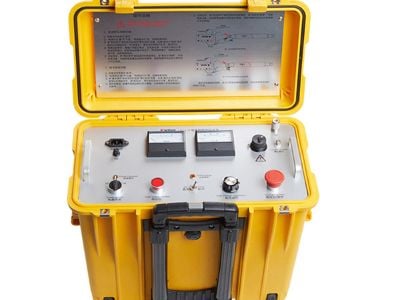
High-precision cable fault locators are essential tools for minimizing on-site excavation costs. By accurately pinpointing the location of faults in cables, these devices help reduce unnecessary digging and the associated costs. Purchasing managers and engineers often seek reliable solutions that not only enhance operational efficiency but also ensure cost-effectiveness. This article will address how a high-precision cable fault locator can significantly reduce excavation expenses, key specifications to consider, common problems solved, applications across various industries, and the benefits of bulk ordering these devices.
How a High-Precision Cable Fault Locator Minimizes Excavation Costs
High-precision cable fault locators utilize advanced technologies, such as time-domain reflectometry, to identify cable faults with pinpoint accuracy. This capability allows technicians to locate problems without the need for extensive excavation. Reducing excavation costs is crucial for project budgets, as unnecessary digging can lead to increased labor costs, additional machinery usage, and the potential for damaging surrounding infrastructure.
For instance, a typical excavation project may require heavy machinery and multiple labor hours if the fault's location is not precisely identified. By using a high-precision cable fault pre locator, technicians can quickly determine the exact fault location, allowing them to dig only where necessary. This minimizes labor and machinery costs, significantly enhancing project efficiency and budget management.
Key Specifications to Consider When Choosing a Cable Fault Locator
When selecting a high-precision cable fault locator, several key specifications should be evaluated:
Detection Range: The effective detection range is vital for ensuring that the locator can identify faults over various distances. A longer range can be beneficial for large-scale projects.
Accuracy: Precision in fault location is critical. Buyers should look for locators that offer high accuracy levels, typically measured in meters or feet.
Signal Frequency: The frequency of the signals used can affect the ability to detect faults in different types of cables. Higher frequencies can provide better resolution for smaller faults.
User Interface: A user-friendly interface is essential for technicians who may need to operate the device under time constraints. Look for models with clear displays and straightforward controls.
Durability: Given the often challenging environments in which cable fault locators are used, selecting a robust, weather-resistant model can prevent damage and prolong the device's lifespan.
Power Source: Consider whether the locator is battery-operated or requires a power supply. Battery-operated models may offer more flexibility in remote locations.
Evaluating these specifications ensures that the selected cable fault locator meets the specific needs of the project while providing reliable performance.
Common Problems Solved by High-Precision Cable Fault Locators
High-precision cable fault locators address several common problems faced in cable maintenance and repair:
Unidentified Faults: Traditional methods may involve trial and error, leading to costly delays. High-precision locators minimize guesswork, allowing for swift identification of faults.
Infrastructure Damage: Excavating without precise knowledge of fault locations can inadvertently damage surrounding infrastructure. High-precision cable fault locators help avoid unnecessary damage, preserving project timelines and budgets.
Labor Inefficiencies: By reducing the time spent on identifying faults, these devices enhance labor efficiency. Technicians can focus on repairs rather than searching for faults.
Service Interruptions: In commercial settings, cable faults can lead to service interruptions. Quick identification and repair minimize downtime, maintaining operational continuity.
By resolving these issues, high-precision cable fault locators prove invaluable in the management of cable systems, ensuring timely and cost-effective solutions.
Applications of Cable Fault Locators in Various Industries
High-precision cable fault locators find applications across multiple industries, including:
Utilities: Utility companies use these devices to maintain and repair power lines, ensuring uninterrupted service to customers.
Telecommunications: In telecommunications, accurate fault detection is crucial for maintaining service quality in fiber optic and copper networks.
Construction: During construction projects, accurately locating existing cables prevents damage to infrastructure, avoiding costly repairs and project delays.
Transportation: Railways and airports utilize cable fault locators to maintain safety and operational efficiency by ensuring the integrity of communication and power lines.
By adapting to the unique needs of different industries, high-precision cable fault locators facilitate reliable operation and maintenance of essential infrastructure.
Benefits of Bulk Ordering High-Precision Cable Fault Locators
Bulk ordering high-precision cable fault locators can yield significant advantages for companies:
Cost Savings: Manufacturers often provide discounts for bulk purchases, reducing the per-unit cost. This can be particularly beneficial for larger organizations with extensive cable networks.
Standardization: Ordering in bulk allows companies to standardize the equipment used across teams, simplifying training and operational procedures.
Inventory Management: Maintaining a stock of cable fault locators ensures that teams are equipped to address faults promptly without waiting for new orders.
Supplier Relationships: Establishing a relationship with a supplier through bulk ordering may lead to better terms, faster delivery, and priority support for future needs.
Customization Options: Suppliers may offer customizable features or specifications for bulk orders, ensuring that the locators meet specific operational requirements.
By considering these benefits, B2B buyers can make informed decisions on their equipment procurement strategies, maximizing efficiency and reducing costs over time.
a high-precision cable fault locator is a valuable investment for any organization involved in cable maintenance and repair. By understanding the critical specifications, applications, and purchasing advantages, companies can significantly enhance their operational efficiency and reduce on-site excavation costs.
Table of Contents
- How a High-Precision Cable Fault Locator Minimizes Excavation Costs
- Key Specifications to Consider When Choosing a Cable Fault Locator
- Common Problems Solved by High-Precision Cable Fault Locators
- Applications of Cable Fault Locators in Various Industries
- Benefits of Bulk Ordering High-Precision Cable Fault Locators