EN
EN
 AR
AR HR
HR CS
CS NL
NL FR
FR DE
DE EL
EL HI
HI IT
IT JA
JA KO
KO NO
NO PL
PL PT
PT RO
RO RU
RU ES
ES SV
SV TL
TL IW
IW ID
ID SR
SR SK
SK UK
UK VI
VI ET
ET HU
HU TH
TH TR
TR FA
FA MS
MS GA
GA HY
HY AZ
AZ UR
UR BN
BN LA
LA MN
MN KK
KK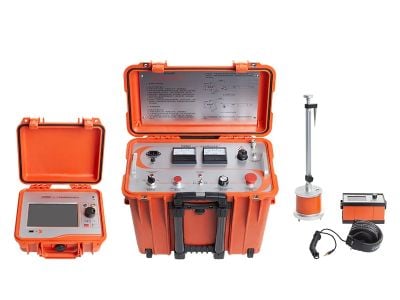
In the modern landscape of power distribution and management, fault locator applications play a crucial role, particularly in sectors such as power grids, industrial parks, and urban renewal projects. These applications are essential for identifying and diagnosing faults in cables and overhead lines, which can lead to costly downtimes and safety hazards. For B2B buyers, understanding the specifications, reliability, and installation requirements of fault locator devices is fundamental to making informed purchasing decisions. This article will delve into fault locator application scenarios, emphasizing key specifications, supplier reliability, equipment considerations, installation guidance and cost factors to consider when purchasing these devices.
Key Specifications for Fault Locators in Industrial Parks
When selecting fault locators for industrial parks, several specifications are critical to ensure they meet operational demands. First, the detection range is paramount; it defines how effectively a device can identify faults over long distances. Buyers should look for devices with an extensive range that suits their specific layout. Additionally, accuracy is vital. Precise fault location minimizes downtime and enhances maintenance efficiency. Specifications should detail the device's accuracy in identifying the fault's distance and type. Another important aspect is the device's compatibility with existing infrastructure. This includes evaluating whether the fault locator can integrate seamlessly with the current cable systems and overhead lines. Buyers should confirm the technical parameters with manufacturers to ensure compatibility. Lastly, user-friendly interfaces and training support are essential specifications. A device that is difficult to operate can lead to mistakes during crucial diagnostic processes. Choose models that offer intuitive controls and comprehensive training solutions, ensuring that staff can quickly learn to use the equipment effectively.
Reliable Fault Locator Suppliers for Your Needs
Selecting a reliable supplier for fault locator equipment is a significant step in ensuring operational success. When evaluating potential suppliers, consider their experience in the industry. Suppliers with a long-standing presence, such as Tanbos, often possess a deeper understanding of the technology and its applications. Furthermore, verify the supplier’s quality assurance processes. A manufacturer with stringent quality control measures is likely to provide more reliable products. Requesting details about their certification processes and quality management systems can reveal much about their commitment to excellence. Another factor to consider is customer support and service. A supplier that offers robust after-sales support can be invaluable, especially when issues arise during installation or operation. Look for suppliers that provide comprehensive training and troubleshooting assistance. Lastly, review the supplier’s reputation in the market. Online reviews, testimonials, and case studies can provide insights into the experiences of other buyers and help gauge the reliability of the supplier.
What to Look for in Fault Locator Equipment?
When it comes to fault locator equipment, buyers should focus on several critical aspects to ensure they make a sound investment. First, the technology used is paramount; look for devices that utilize advanced algorithms for fault detection. These technologies can provide quicker and more accurate results, significantly reducing downtime. Durability is another key consideration. fault locator machine often operate in challenging environments, so equipment should be built to withstand harsh conditions, including variations in temperature, moisture exposure, and mechanical stress. This durability ensures that the device will function effectively over its intended lifespan. Additionally, ensure the equipment is scalable. As industrial parks evolve, the ability to upgrade or expand the fault locator system can be crucial. A device that supports modular upgrades will allow for future enhancements without a complete system overhaul. Lastly, examine the warranty and service agreements offered by the manufacturer. A solid warranty can protect against defects and ensure peace of mind. Buyers should confirm the duration and coverage of warranties before making a purchase.
Installation Guidance for Fault Locators in Diverse Applications
Proper installation of fault locators is crucial to their effective operation. Buyers should consider several factors when planning installation. Firstly, the installation site must be assessed for optimal performance. This includes identifying the best locations for mounting the devices, which should be accessible yet strategically positioned for maximum coverage. Training personnel on installation is equally important. Manufacturers like Tanbos often provide training sessions to ensure that technicians understand the installation process thoroughly. Proper training can prevent common installation errors that could lead to equipment malfunction or inaccurate fault detection. Moreover, buyers should create a detailed installation plan that includes timelines, responsibilities, and required tools. This plan should also consider potential disruptions to existing operations during the installation process. Lastly, conducting a post-installation check is advisable to verify that the equipment is functioning correctly. This includes testing the high voltage cable fault locator under simulated conditions to ensure it meets the specified performance criteria.
Cost Factors to Consider When Purchasing Fault Locator Devices
Understanding the cost factors associated with purchasing fault locator devices is essential for making an informed decision. Initial equipment costs are just one aspect; buyers should also consider additional expenses such as installation, training, and maintenance. When evaluating pricing, it's essential to assess the total cost of ownership rather than just the upfront price. This includes considering the expected lifespan of the equipment, potential repair costs, and energy consumption. A device that is slightly more expensive upfront may prove more economical in the long run if it offers greater reliability and lower operating costs. Additionally, buyers should inquire about bulk purchasing options. Many manufacturers will offer discounts for larger orders, which can significantly reduce overall expenses. Understanding the minimum order quantities (MOQ) can also help in budgeting effectively. Lastly, be aware of any hidden costs that may arise, such as shipping fees, customs duties for international purchases, or costs associated with warranty claims. A thorough review of all potential costs will lead to more accurate budgeting and financial planning. By considering these factors, B2B buyers can make strategic decisions regarding fault locator applications in power grids, industrial parks, and urban renewal projects, ensuring they select the most suitable equipment for their needs.