EN
EN
 AR
AR HR
HR CS
CS NL
NL FR
FR DE
DE EL
EL HI
HI IT
IT JA
JA KO
KO NO
NO PL
PL PT
PT RO
RO RU
RU ES
ES SV
SV TL
TL IW
IW ID
ID SR
SR SK
SK UK
UK VI
VI ET
ET HU
HU TH
TH TR
TR FA
FA MS
MS GA
GA HY
HY AZ
AZ UR
UR BN
BN LA
LA MN
MN KK
KK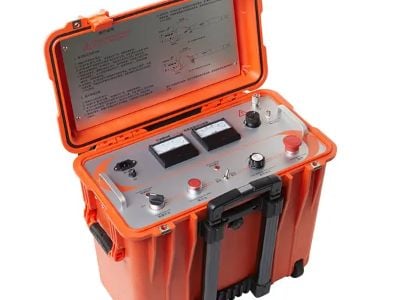
When sourcing cable fault locators for electrical contractors, several key factors must be considered to ensure you select a reliable and efficient solution. These cable fault devices are essential for identifying and diagnosing issues in electrical cables and overhead lines, making them critical tools for contractors. This article will address important considerations, key specifications, comparison methods, common issues, and where to find quality suppliers to help you make informed purchasing decisions.
What to Consider When Choosing a Reliable Cable Fault Locator?
Selecting a reliable cable fault locator requires understanding your specific operational needs and the contexts in which the device will be used. First, consider the type of cables you'll be working with different locators are designed for various cable types and conditions. For instance, some may perform better on high-voltage systems while others are suitable for low-voltage applications.
Next, evaluate the technology used by the locator. Advanced models utilize electromagnetic and time-domain reflectometry (TDR) techniques to detect faults accurately. The effectiveness of these technologies can significantly impact your ability to pinpoint issues quickly and minimize downtime.
Additionally, consider user-friendliness. A cable fault detector machine that is easy to operate can reduce training time for your team and increase productivity on-site. Look for locators with intuitive interfaces and clear displays. Finally, factor in the support and training provided by the manufacturer, as ongoing knowledge can enhance the utility of the equipment.
Key Specifications to Evaluate in Cable Fault Locators for Purchase
When evaluating cable fault locators, pay close attention to several key specifications:
Detection Range: This refers to the maximum distance over which the locator can identify faults. Ensure that the range is suitable for your typical job sites, particularly if you work with long cable runs.
Accuracy: Look for devices with high accuracy ratings. The precision with which a locator can identify the fault location is crucial in reducing the time and cost associated with repairs.
Signal Types: Different locators may support various signal types, such as analog or digital signals. Understanding which signals are compatible with your existing systems is vital for seamless integration.
Battery Life: Consider how long the device can operate on a single charge. A longer battery life is advantageous for extended workdays, particularly in remote locations where recharging may not be feasible.
Durability: Construction sites can be harsh environments. Choose a locator that is rugged and can withstand physical impacts, moisture, and dust. Look for IP ratings that indicate resistance to environmental factors.
Data Logging and Connectivity: Modern locators may offer data logging capabilities and connectivity options for easy reporting and analysis. This can enhance your operational efficiency and decision-making processes.
How to Compare Cable Fault Locators for Electrical Projects?
To make an informed comparison between different cable fault locators, start by creating a checklist of your critical specifications and features based on your needs.
Performance Testing: Whenever possible, conduct side-by-side performance tests. Evaluate how quickly each cable fault detector device can locate faults and the accuracy of those locations. Real-world applications can often reveal performance differences that specifications cannot.
User Reviews and Case Studies: Research user reviews and case studies to gain insights into how different models perform in the field. Feedback from other contractors can highlight strengths and weaknesses you may not have considered.
Manufacturer Support: Assess the level and quality of support offered by manufacturers. A supplier that provides extensive training, warranty options, and responsive customer service can significantly impact your long-term satisfaction with the product.
Pricing and ROI: Evaluate the price of the locators against their features and performance. Consider the return on investment, how quickly will the device pay for itself through increased efficiency and reduced downtime? Sometimes a higher initial cost
Customization Options: Some manufacturers offer customization for specific applications. If your projects have unique requirements, inquire about the possibility of tailoring a locator to suit your needs.
Common Problems with Cable Fault Locators and Their Solutions
Cable fault locators can encounter various issues that may affect their performance. Understanding these problems and their potential solutions is crucial for maintaining operational efficiency:
Signal Interference: Occasionally, external electromagnetic interference can disrupt the locator's ability to accurately detect faults. To mitigate this, ensure that the device is calibrated correctly and consider using shielding techniques or selecting a different frequency range.
Battery Failures: If a locator frequently runs out of battery or fails to charge, check both the battery condition and the charging equipment. Regular maintenance and testing can prevent unexpected downtime.
Calibration Needs: Inaccurate readings can occur if the locator is not properly calibrated. Establish a routine for calibration checks to ensure precision in fault detection.
User Error: Sometimes, the device may not perform correctly due to operator error. Providing thorough training and easy-to-follow operational guides can help minimize these issues.
Software Glitches: If your locator has software features, ensure that you keep it updated to the latest version. Software updates can fix bugs and improve performance.
Where to Find Quality Suppliers of Cable Fault Locators for Contractors?
Finding a quality supplier for cable fault locators involves several steps:
Industry Research: Start by researching reputable manufacturers online. Look for companies with a solid track record in the industry, such as Tanbos, which has specialized in intelligent early warning and fault diagnosis equipment since 2007.
Trade Shows and Exhibitions: Attend industry-related trade shows and exhibitions to see products in action. This is an excellent opportunity to speak with manufacturers and ask specific questions about their products.
Professional Associations: Consider joining professional associations related to electrical contracting. These organizations often have resources and recommendations for trusted suppliers.
Network Recommendations: Leverage your professional network. Colleagues and industry contacts can provide insights into their experiences with different suppliers, helping you make informed decisions.
Request Samples: Before making a bulk purchase, request samples to evaluate the performance and suitability of the product for your specific needs. This step is crucial for ensuring that the locator meets your expectations in real-world applications.
By following these guidelines, you can ensure that your investment in cable fault locators is sound, providing the reliability and efficiency necessary for successful electrical contracting.
Table of Contents
- What to Consider When Choosing a Reliable Cable Fault Locator?
- Key Specifications to Evaluate in Cable Fault Locators for Purchase
- How to Compare Cable Fault Locators for Electrical Projects?
- Common Problems with Cable Fault Locators and Their Solutions
- Where to Find Quality Suppliers of Cable Fault Locators for Contractors?