EN
EN
 AR
AR HR
HR CS
CS NL
NL FR
FR DE
DE EL
EL HI
HI IT
IT JA
JA KO
KO NO
NO PL
PL PT
PT RO
RO RU
RU ES
ES SV
SV TL
TL IW
IW ID
ID SR
SR SK
SK UK
UK VI
VI ET
ET HU
HU TH
TH TR
TR FA
FA MS
MS GA
GA HY
HY AZ
AZ UR
UR BN
BN LA
LA MN
MN KK
KK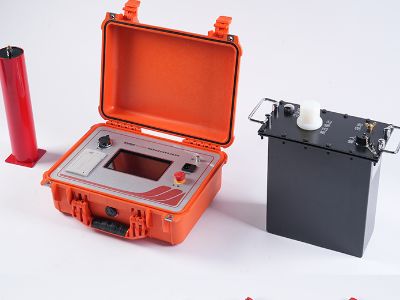
VLF Hipot testers are essential tools for utilities and electrical engineering companies, designed to assess the dielectric strength and reliability of insulation in high-voltage cables and overhead lines. This procurement guide aims to address crucial buyer concerns such as performance specifications, sourcing strategies, and cost-effective purchasing practices. By understanding the key considerations outlined below, you can make informed decisions when procuring VLF hipot test machine that meet your operational needs.
What to Consider When Sourcing VLF Hipot Testers for Utilities?
When sourcing VLF Hipot testers, it's vital to assess the specific requirements of your applications. Factors such as voltage levels, insulation types, and testing environments will significantly influence your purchasing decision. Start by determining the voltage range your applications require, as VLF hipot test equipment come in various voltage capacities. Additionally, consider the testing frequency, some models allow for more frequent testing, which might be beneficial for utilities needing regular assessments.
Compatibility with existing testing protocols and equipment is also crucial. Ensure that the VLF Hipot tester you select can seamlessly integrate with your current systems and that it meets relevant industry standards. Lastly, evaluate the manufacturer's experience and reputation in the field. A supplier like Tanbos, with years of specialization in early warning and fault diagnosis equipment, can provide valuable insights and reliable support throughout the procurement process.
Key Specifications for Reliable VLF Hipot Testing Equipment
Understanding the key specifications of VLF Hipot testers is essential for ensuring their reliability and performance. Key specifications include:
Voltage Output: The output voltage should match the requirements of your testing scenarios. Common voltage levels include 30kV, 50kV, and 100kV for various applications.
Testing Frequency: VLF (Very Low Frequency) testing typically operates at frequencies of 0.1Hz to 0.1kHz, which is critical for simulating actual operating conditions.
Insulation Resistance Measurement: Many testers provide insulation resistance measurement capabilities, which is vital for assessing the health of insulation over time.
Safety Features: Look for testers with built-in safety features such as automatic shutdown in case of overload, ensuring operator safety during testing.
Data Logging and Connectivity: Advanced models may offer data logging capabilities to track test results over time and connectivity options to integrate with software for reporting and analysis.
By understanding these specifications, you can select a VLF Hipot tester that meets your operational requirements while ensuring safety and accuracy.
Bulk Order Advantages for VLF Hipot Testing Equipment
Purchasing VLF Hipot testers in bulk offers several advantages, particularly for utilities and engineering firms that require multiple units for field testing. One of the most significant benefits is cost savings. Many manufacturers, including Tanbos, offer discounts for bulk purchases, which can significantly reduce the overall procurement cost.
Additionally, ordering in bulk ensures consistency across units, which is crucial for maintaining uniformity in testing practices. This consistency can help streamline training processes for staff and improve operational efficiency.
Another advantage is the potential for customized solutions. When ordering in larger quantities, you may have the opportunity to request specific features or configurations tailored to your testing needs. This customization can lead to better performance and satisfaction in your testing processes.
Features and Benefits for Buyers
When selecting a VLF Hipot tester, understanding the features and benefits can guide your decision-making. Some important features to consider include:
Portability: Many VLF Hipot testers are designed to be lightweight and portable, enabling easy transport to various testing sites. This is especially beneficial for utilities that require field testing.
User-Friendly Interface: A clear and intuitive user interface can reduce the learning curve for operators, making it easier to conduct tests efficiently.
Durability: Look for testers constructed with high-quality materials that can withstand harsh environmental conditions, ensuring longevity and reliability in the field.
Comprehensive Support and Training: Suppliers that offer ongoing support and training can enhance the value of your purchase, ensuring your team is well-equipped to utilize the equipment effectively.
By focusing on these features, you can select a VLF Hipot tester that not only meets your technical requirements but also enhances your overall operational capabilities.
Understanding Cost Factors in VLF Hipot Tester Procurement Decisions
The cost of VLF Hipot testers can vary widely based on several factors. Understanding these can help you make a more informed purchasing decision. Key cost factors include:
Specifications and Features: Higher voltage capacities and advanced features such as data logging and connectivity typically increase the price. Assess your actual needs to avoid over-specifying.
Manufacturer Reputation: Established manufacturers may charge higher prices due to their proven reliability and support services. Consider the long-term value and support you will receive as part of the total cost.
Customization Options: If you require specific features or configurations, be prepared for potential additional costs. Custom solutions can enhance functionality but may also increase the overall investment.
Shipping and Handling: Depending on your location and the supplier’s shipping policies, transportation costs can impact the total procurement expense. Factor in these costs when budgeting.
Maintenance and Calibration: Regular maintenance and calibration are essential for ensuring the accuracy and reliability of your VLF hipot machine. Budget for these ongoing costs as part of your total investment.
By considering these factors, you can develop a comprehensive understanding of the total cost of ownership when procuring VLF Hipot testers, leading to more strategic purchasing decisions.