EN
EN
 AR
AR HR
HR CS
CS NL
NL FR
FR DE
DE EL
EL HI
HI IT
IT JA
JA KO
KO NO
NO PL
PL PT
PT RO
RO RU
RU ES
ES SV
SV TL
TL IW
IW ID
ID SR
SR SK
SK UK
UK VI
VI ET
ET HU
HU TH
TH TR
TR FA
FA MS
MS GA
GA HY
HY AZ
AZ UR
UR BN
BN LA
LA MN
MN KK
KK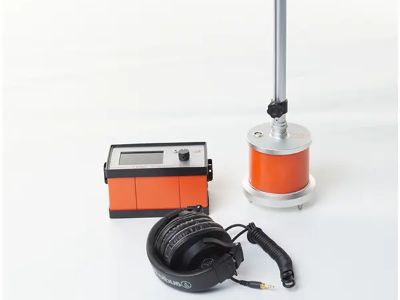
Selecting a reliable fault locator for buried underground power cable projects is essential for ensuring the efficiency and safety of electrical infrastructure. Fault locators are specialized devices used to identify and locate faults in cables and overhead lines, significantly reducing downtime and repair costs. As a B2B buyer, understanding the specifications, quality, and application of these devices is crucial. This article will guide you through the key considerations in selecting a fault locator, helping you make an informed purchasing decision
Key Specifications to Consider When Selecting Fault Locators
When choosing a fault cable route locator, several key specifications should be at the forefront of your decision-making process
Detection Range: The effective detection range indicates how far the device can locate faults. A longer range can be beneficial in extensive underground networks, allowing for quicker problem identification
Accuracy: Precision in fault location is critical. Look for devices that provide specific measurements in meters or feet, as this directly impacts the efficiency of repairs
Signal Types: Fault locators may use different signal types, such as time-domain reflectometry (TDR) or frequency-domain reflectometry (FDR). Understanding the differences will help ensure you select a device suited to your specific application
User Interface: A user-friendly interface can expedite training and reduce operational errors. Look for devices with intuitive controls and clear displays
Durability: Given the often harsh environments in which these devices operate, durability is a must. Check for rugged designs and certifications that indicate resistance to moisture, dust, and impact
Battery Life: For portable devices, battery life is essential. A longer battery life allows for extended usage without the need for frequent recharging, enhancing operational efficiency
Evaluating Quality and Performance of Fault Locators for Cables
Quality and performance are paramount when assessing fault locators. Buyers should consider the following factors
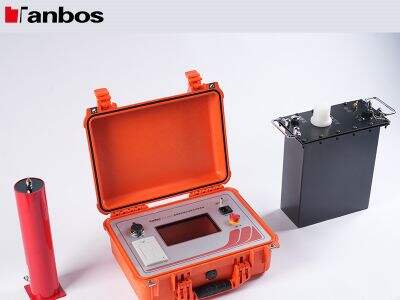
Manufacturer Reputation: Research the manufacturer’s history in the industry. Companies with a long-standing reputation, such as Tanbos, which has specialized in intelligent fault diagnosis equipment since 2007, are often more reliable
Performance Testing: Request information on how the fault locators have been tested in real-world scenarios. Look for performance metrics such as response time, accuracy rates, and user testimonials
Certifications: Verify if the equipment complies with relevant industry standards and certifications. This can provide assurance of the product's reliability and safety
Warranty and Support: A robust warranty and responsive customer support indicate confidence in the product’s quality. Make sure to inquire about post-purchase support options
Field Testing: If possible, conduct field tests with demo units to evaluate their performance in your specific application context before committing to a purchase
Installation Guidance for Efficient Use of Fault Locators
Proper installation is critical to the effective use of fault locators. Here are some guidelines
Training: Ensure that operators receive comprehensive training on how to use the device correctly. This can minimize errors and maximize the effectiveness of the fault locator
Environmental Considerations: Install the equipment in a location that is accessible but protected from environmental hazards. Factors such as temperature extremes and moisture can affect performance
Calibration: Regular calibration of the device ensures ongoing accuracy. Follow the manufacturer’s guidelines for calibration frequency and procedures
Documentation: Maintain detailed records of installation procedures and any modifications. This documentation can be invaluable for troubleshooting and future reference
Integration with Other Tools: Consider how the fault locator will integrate with other diagnostic tools you may be using. Compatibility can enhance operational efficiency
Common Problems in Fault Detection and Their Solutions
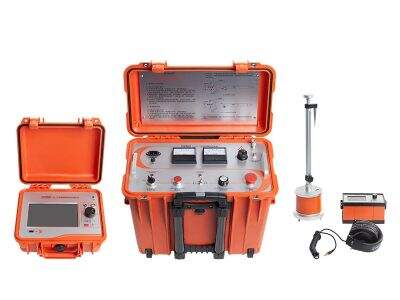
Fault detection can present several challenges. Being aware of these issues can facilitate smoother operations
Interference: External electromagnetic interference can lead to inaccurate readings. Solutions include using shielding techniques or selecting fault locators designed to minimize such interference
Cable Condition: The condition of the cables themselves can complicate fault detection. Regular inspections and maintenance can help ensure power cable detector integrity, allowing for more accurate fault location
Operator Error: Incorrect usage of the equipment can lead to misdiagnosis. Continuous training and clear operating procedures are essential to mitigate this risk
Inadequate Data: Sometimes, fault locators may not provide enough data for effective diagnosis. In such cases, consider using additional diagnostic tools or consulting with experts for a second opinion
Environmental Factors: Soil type and moisture levels can affect the accuracy of fault location. Understanding the specific environmental conditions where the cables are located can help in selecting the appropriate tools and techniques
Applications of Fault Locators in Underground Power Projects
Fault locators play a vital role in various applications related to underground power projects
Utility Maintenance: Ensuring the reliability of power supply is critical for utilities. Fault locators help quickly identify issues, minimizing downtime and service interruptions
Installation Testing: During the installation of new cables, fault locators can test for continuity and proper installation, ensuring that systems are operational from the start
Emergency Response: In the event of a power outage, fault locators are essential for quickly diagnosing and resolving issues, allowing for faster restoration of services
Infrastructure Upgrades: As cities grow, existing power infrastructure may need upgrades. Fault locators assist in identifying existing lines and potential issues before new installations take place
Environmental Monitoring: In some cases, fault locators are used to monitor the health of underground cable systems, allowing operators to preemptively address issues before they lead to failures
Selecting a reliable fault locator for buried underground power cable fault locator underground power cable projects requires careful consideration of specifications, quality, installation, common challenges, and applications. By understanding these factors, you can make informed decisions that enhance safety and efficiency in your operations