EN
EN
 AR
AR HR
HR CS
CS NL
NL FR
FR DE
DE EL
EL HI
HI IT
IT JA
JA KO
KO NO
NO PL
PL PT
PT RO
RO RU
RU ES
ES SV
SV TL
TL IW
IW ID
ID SR
SR SK
SK UK
UK VI
VI ET
ET HU
HU TH
TH TR
TR FA
FA MS
MS GA
GA HY
HY AZ
AZ UR
UR BN
BN LA
LA MN
MN KK
KK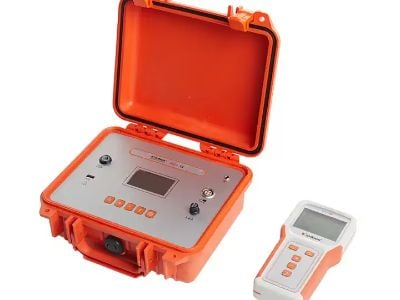
Understanding common mistakes in HIPOT electrical testing is crucial for field technicians to ensure accurate results and maintain safety standards. This article will explore the pitfalls often encountered during HIPOT testing and provide actionable strategies to avoid them. By addressing these common issues, technicians can enhance the reliability of their testing processes ensuring that equipment meets operational standards and regulatory compliance.
Key Specifications of Reliable Hipot Testing Equipment
When selecting HIPOT testing equipment, certain specifications are critical to ensure performance and reliability. Key specifications include:
Voltage Rating: This is a crucial factor that determines the maximum voltage the tester can apply. It should be suitable for the types of cables and systems being tested. For example, a tester should have a voltage rating higher than the highest voltage the equipment will encounter.
Insulation Resistance Measurement: This feature measures the insulation resistance of cables and electrical components. A high insulation resistance value indicates good insulation quality, which is essential for preventing electrical failures.
Test Current: The test current should be adjustable to meet various testing requirements. A typical range is between 1 mA and 30 mA, depending on the application.
Safety Features: Reliable HIPOT cable testing come equipped with safety features such as ground fault protection, current limiting, and automatic discharge circuits to protect both the user and the equipment being tested.
Calibration and Certification: Ensure that the equipment is calibrated according to industry standards and has the necessary certifications, which assure compliance with safety regulations.
Choosing a HIPOT tester with these specifications not only enhances testing accuracy but also protects field technicians from potential hazards.
What to Look For?
When purchasing HIPOT testing equipment, buyers should focus on several key attributes to avoid common mistakes:
Durability: The equipment should be robust enough to withstand the rigors of fieldwork. Look for models with sturdy enclosures and weather-resistant features.
Ease of Use: An intuitive interface and clear display are essential for reducing the risk of operator error. Technicians should be able to easily navigate through settings and read results.
Portability: Lightweight and compact designs are preferable for field technicians who need to carry equipment to various job sites.
Battery Life: For field applications, an extended battery life is crucial. The tester should be able to operate for long periods without needing a recharge.
Technical Support and Training: Consider suppliers who offer comprehensive technical support and training resources. This can help technicians to fully understand the equipment's capabilities and proper usage.
By focusing on these attributes, purchasing managers can ensure they select the HIPOT tester right equipment that meets their operational needs and reduces the likelihood of errors.
Cost Factors to Consider When Purchasing Hipot Testing Equipment
Cost is a significant factor when purchasing HIPOT testing equipment, and several elements can influence the overall price:
Brand Reputation: Established brands may come with a higher upfront cost due to their proven reliability and service support. However, investing in a reputable brand can lead to long-term savings through reduced maintenance and fewer equipment failures.
Advanced Features: Additional capabilities such as automated test sequences, data logging, and Bluetooth connectivity may increase the price but can provide valuable efficiencies in testing processes.
Calibration and Certification Costs: Ensure to factor in the costs associated with calibrating the equipment high voltage HIPOT post-purchase. Some suppliers may include calibration services, while others may charge extra.
Warranty and Service Plans: A more extended warranty or service plan can increase initial costs but may provide peace of mind and lower long-term operational costs.
Bulk Purchase Discounts: If purchasing multiple units, inquire about discounts or financing options. This can significantly reduce the per-unit cost.
Understanding these cost factors will help purchasing managers make informed decisions that align with their budget and operational requirements.
How to Compare Different Hipot Testers for Your Projects?
To effectively compare different HIPOT testers, consider the following criteria:
Performance Specifications: Compare voltage ratings, test current ranges, and insulation resistance capabilities. Ensure each model meets the specific requirements of your testing applications.
User Reviews and Case Studies: Look for feedback from other professionals who have used the equipment in similar applications. This can provide insights into the reliability and performance of each model.
Service and Support: Evaluate the level of customer support offered by the manufacturer, including technical assistance, training resources, and warranty coverage. Strong support can enhance the user experience and address operational challenges.
Customization Options: Determine if the manufacturer offers customization options to tailor the equipment to specific testing needs, which can add value to your investment.
Total Cost of Ownership: Consider not just the purchase price but also the operational costs over time, including maintenance, calibration, and potential downtime. A lower upfront price may lead to higher long-term expenses.
By systematically comparing these factors, field technicians and purchasing managers can make well-informed decisions that enhance testing efficiency and reliability.
Wholesale Purchasing Considerations for Hipot Testing Devices
When purchasing HIPOT testing devices wholesale, several considerations can streamline the process:
Minimum Order Quantity (MOQ): Be aware of the MOQ set by manufacturers. This can affect your budget and inventory management, especially if your needs fluctuate.
Lead Time: Understand the lead times for manufacturing and delivery. Ordering well in advance can prevent project delays, especially if the equipment requires customization.
Quality Assurance: Ensure that the manufacturer has robust quality control processes in place. Request information on their testing and inspection methods to ensure that the devices meet industry standards.
Shipping and Handling: Evaluate shipping options and costs, particularly for larger orders. Ensure that the supplier has a reliable logistics plan that includes safe packaging to prevent damage during transit.
Volume Discounts: Inquire about pricing structures for bulk purchases. Many manufacturers offer discounts for larger orders, which can significantly impact your overall purchase costs.
By keeping these wholesale purchasing considerations in mind, buyers can optimize their procurement process, ensuring they receive high-quality equipment at competitive prices.