EN
EN
 AR
AR HR
HR CS
CS NL
NL FR
FR DE
DE EL
EL HI
HI IT
IT JA
JA KO
KO NO
NO PL
PL PT
PT RO
RO RU
RU ES
ES SV
SV TL
TL IW
IW ID
ID SR
SR SK
SK UK
UK VI
VI ET
ET HU
HU TH
TH TR
TR FA
FA MS
MS GA
GA HY
HY AZ
AZ UR
UR BN
BN LA
LA MN
MN KK
KK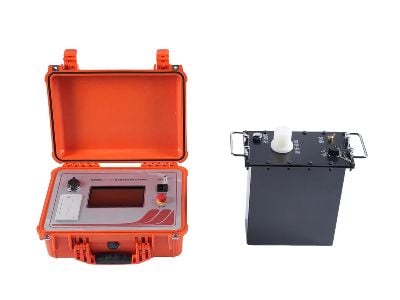
The HIPOT Electrical Test Procedure is a critical process for ensuring the safety and reliability of electrical cables and systems. This step-by-step guide aims to assist purchasing managers, engineers, and product managers in understanding the intricacies of HIPOT testing, addressing common concerns, and providing practical insights. By the end of this article, readers will be equipped with the knowledge to make informed decisions regarding HIPOT testing procedures and equipment, enhancing their ability to ensure compliance and safety in industrial and commercial applications.
How to Choose the Right Hipot Test Procedure for Your Project?
Selecting the appropriate HIPOT test procedure begins with understanding your specific project requirements. Factors such as cable type, application environment, and regulatory standards play vital roles in this decision.
Cable Type: Different cables (e. g., low voltage, medium voltage, or high voltage) require varying test voltages and methodologies. Ensure that the HIPOT test procedure aligns with the specifications of the cables being tested.
Standards Compliance: Familiarize yourself with industry standards such as IEEE, IEC, or UL relevant to your application. Compliance with these standards not only assures safety but also facilitates smoother inspections and certifications.
Test Voltage: The test voltage should be determined based on the cable's rated voltage and insulation class. A common practice is to use a test voltage of 2-3 times the cable's rated voltage, but this must be verified according to specific guidelines.
Test Duration and Frequency: Decide on the duration for which the test will be conducted. Typically, tests range from a few seconds to several minutes. Frequent testing may be required based on operational conditions or regulatory mandates.
By carefully evaluating these factors, you can ensure that the selected HIPOT cable testing procedure aligns with both project requirements and safety standards.
Reliable Suppliers for Wholesale Hipot Testing Equipment and Services
When sourcing HIPOT testing equipment and services, reliability and reputation are paramount. Here are some key considerations:
Supplier Credentials: Verify the supplier’s experience in the industry. Suppliers like Tanbos, with years of expertise in RD and manufacturing of diagnostic equipment, can offer insights into the latest technologies and best practices.
Quality Assurance Processes: Assess the supplier’s quality control measures. Reliable suppliers should provide equipment that meets international standards and undergoes rigorous testing to ensure performance and safety.
After-Sales Support: Choose suppliers that offer comprehensive after-sales support, including training, maintenance services, and technical assistance. This support is crucial for troubleshooting and maximizing the lifespan of the equipment.
Product Range and Customization: Evaluate the diversity of equipment available. Suppliers should offer a range of HIPOT tester testers and customization options to meet unique project specifications.
By partnering with reputable suppliers, you can ensure that you receive high-quality equipment and services that enhance your testing capabilities.
Cost Factors to Consider When Sourcing Hipot Test Equipment
Cost considerations are essential when sourcing HIPOT testing equipment. Here are several factors that can significantly impact your budget:
Initial Purchase Price: The upfront cost of the equipment is the most apparent factor. However, it’s crucial to evaluate the long-term value, which includes reliability, durability, and overall performance.
Maintenance and Calibration Costs: Regular maintenance is necessary to ensure consistent performance. Factor in potential calibration costs, as improperly calibrated equipment can lead to unsafe testing conditions or inaccurate results.
Training Expenses: Depending on the complexity of the equipment, you may need to invest in training for your staff. Proper training enhances safety and maximizes the effectiveness of the equipment.
Operational Costs: Consider the ongoing costs associated with running the equipment, such as power consumption and consumables, if applicable. A machine with lower operational costs may provide better long-term savings.
Warranty and Service Agreements: Evaluate warranty options and service agreements that can protect you from unexpected repair costs. A reliable warranty can provide peace of mind regarding your investment.
By understanding these cost factors, you can make a more informed decision that balances quality and budget.
Common Problems in Cable Testing and Effective Solutions
Cable testing can present various challenges that may affect accuracy and reliability. Here are some common problems along with effective solutions:
Inconsistent Test Results: Variability in test results can arise from equipment malfunction or incorrect testing procedures. Ensure regular calibration of testing equipment and train personnel on standardized testing protocols to minimize discrepancies.
Cable Damage: Over-testing or using excess voltage can damage cables. Always refer to manufacturer specifications to determine the appropriate test voltage and duration to avoid compromising cable integrity.
Environmental Interference: External factors such as humidity, temperature, and electromagnetic interference can affect test outcomes. Conduct tests in controlled environments whenever possible and consider environmental factors when interpreting results.
Insufficient Preparation: Inadequate preparation, such as failing to clean the cable surfaces or check connections, can lead to inaccurate readings. Establish a checklist for pre-testing procedures to ensure thorough preparation.
Implementing these solutions can enhance the reliability of your test results and ensure compliance with safety standards.
Applications of Hipot Testing in Industrial and Commercial Settings
HIPOT testing plays a crucial role in various industrial and commercial applications, ensuring the safety and reliability of electrical systems. Key applications include:
Power Generation and Distribution: In power plants and substations, HIPOT testing is essential for assessing the insulation integrity of transformers, circuit breakers, and high-voltage cables, preventing failures that could lead to outages or hazards.
Manufacturing Facilities: Manufacturing plants that rely on heavy machinery must ensure that all electrical systems are safe. Regular HIPOT testing of cables reduces the risk of electrical failures that can lead to costly downtime and safety incidents.
Telecommunications: In telecommunications, cable integrity is critical for maintaining service reliability. HIPOT testing helps ensure that the insulation of communication cables can withstand operational stresses.
Building Construction: During the construction phase, ac dc HIPOT tester testing is vital for ensuring that wiring systems meet safety codes and standards. This step protects future occupants and operators from electrical hazards.
Transportation: In sectors such as aerospace and automotive, ensuring the reliability of electrical systems through HIPOT testing is crucial for operational safety and compliance with regulatory standards.
By understanding these applications, buyers can appreciate the importance of HIPOT testing in safeguarding electrical systems across various industries, ultimately leading to better purchasing decisions.
Table of Contents
- How to Choose the Right Hipot Test Procedure for Your Project?
- Reliable Suppliers for Wholesale Hipot Testing Equipment and Services
- Cost Factors to Consider When Sourcing Hipot Test Equipment
- Common Problems in Cable Testing and Effective Solutions
- Applications of Hipot Testing in Industrial and Commercial Settings