EN
EN
 AR
AR HR
HR CS
CS NL
NL FR
FR DE
DE EL
EL HI
HI IT
IT JA
JA KO
KO NO
NO PL
PL PT
PT RO
RO RU
RU ES
ES SV
SV TL
TL IW
IW ID
ID SR
SR SK
SK UK
UK VI
VI ET
ET HU
HU TH
TH TR
TR FA
FA MS
MS GA
GA HY
HY AZ
AZ UR
UR BN
BN LA
LA MN
MN KK
KK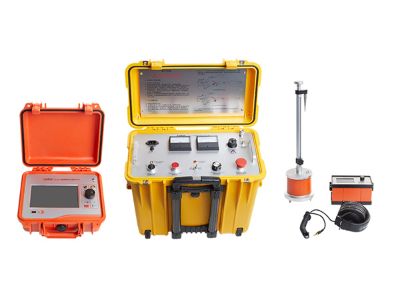
The Hipot electrical test is a crucial process for ensuring the safety and reliability of cables used in various applications. This article will delve into the core purposes of Hipot testing, the essential standards that guide this testing, and practical guidance on selecting reliable suppliers for Hipot testing equipment. By understanding these aspects, purchasing managers, engineers, and other B2B buyers can make informed decisions that align with their quality assurance goals and operational requirements
Key Purposes for Cable Inspection
The primary purpose of cable inspection through Hipot testing is to assess the insulation integrity of cables and their ability to withstand high voltage. This is essential in preventing electrical failures that could lead to costly downtime or safety hazards. Hypot testing helps identify weak points in the insulation that might not be visible through visual inspections alone, ensuring that cables can handle the operational voltage without risk of breakdown
Additionally, Hipot testing plays a significant role in compliance with industry standards and regulations. Manufacturers and suppliers must demonstrate that their cables meet specific safety and performance criteria, which are often mandated by governing bodies and industry organizations. Regular Hipot testing contributes to product reliability, customer satisfaction, and brand reputation
Essential Standards for Hipot Testing in Cable Quality Assurance
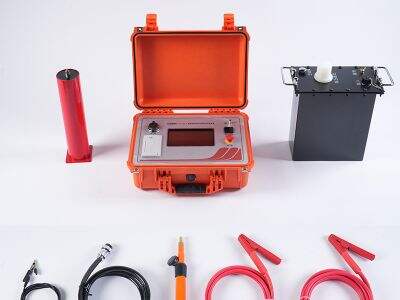
When conducting Hipot electrical tests, adherence to established standards is paramount. Key standards include IEC 60216 for electrical insulation materials, IEC 60060 for high-voltage testing techniques, and UL 61010 for safety requirements. These standards outline testing procedures, voltage levels, and safety precautions necessary to ensure accurate results
The voltage level applied during a Hipot test is typically higher than the operating voltage of the cable. The testing voltage is generally set based on the cable's insulation rating and operational requirements. For instance, if a cable is rated for 600V, a common Hipot test voltage might be 1,500V or higher, depending on the specific guidelines. Ensuring that the testing voltage is correctly calibrated is vital, as under-testing can lead to false positives, while over-testing may damage the cable fault finder
It is also essential for manufacturers to maintain detailed records of all Hipot tests conducted, including test voltage, duration, and results. This documentation provides a valuable reference for quality control and can be critical in demonstrating compliance during audits
How to Choose Reliable Suppliers for Hipot Testing Equipment
Selecting the right supplier for Hipot testing equipment is critical to ensuring the accuracy and reliability of the testing process. Here are some factors to consider
Experience and Reputation: Look for suppliers with a proven track record in manufacturing and supplying testing equipment. Research customer reviews and testimonials to gauge their reliability
Technical Support and Training: A good supplier should not only provide equipment but also offer training and technical support. This ensures that your team can effectively use the equipment and troubleshoot any issues that arise
Customization Options: Depending on the specific needs of your applications, you may require customized testing solutions. Verify that the supplier can accommodate your customization requests
Compliance with Standards: Ensure that the equipment meets the relevant industry standards. This ensures that your testing processes will align with regulatory requirements
Cost and Value: While pricing is a significant consideration, focus on the overall value offered. Consider factors such as warranty, maintenance services, and the longevity of the equipment
By carefully evaluating these criteria, you can select a reliable supplier that meets your testing needs and aligns with your quality assurance objectives
Budgeting for Quality Assurance
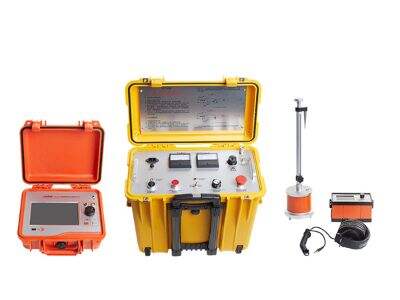
Budgeting for Hipot testing equipment and processes involves several considerations. First, you should account for the initial purchase cost of the testing equipment, which can vary significantly based on the sophistication and capabilities of the unit. Higher-end models may offer advanced features such as automated testing and detailed reporting, which can enhance efficiency and accuracy
In addition to the purchase price, consider ongoing costs such as maintenance, calibration, and training for your staff. Regular maintenance is crucial to ensure that the equipment operates correctly and provides accurate results over time. Depending on the equipment, calibration may need to be performed at specified intervals, which can incur additional costs
Finally, consider the potential cost of not investing in quality assurance. Failures due to inadequate testing can lead to product recalls, safety incidents, and damage to your company’s reputation. Allocating a reasonable budget for quality assurance is an investment in the reliability of your products and the safety of your operations
Best Practices to Follow
To maximize the effectiveness of Hipot testing and ensure high-quality results, consider implementing the following best practices
Conduct Regular Inspections: Establish a routine schedule for Hipot testing based on the criticality of the applications and the environment in which the cables will be used. Regular inspections help identify potential issues before they become significant problems
Document Test Results: Maintain thorough records of all testing activities, including test parameters, results, and any anomalies observed. This documentation can serve as a valuable asset for future audits and quality assessments
Use Proper Test Techniques: Ensure that your testing procedures are in line with industry standards. This includes using the correct voltage levels, test duration, and safety precautions to protect both the equipment and personnel
Regularly Calibrate Equipment: Calibration is vital to ensure the accuracy of your testing equipment. Schedule routine calibrations according to the manufacturer's recommendations to maintain reliability
Train Staff Effectively: Ensure that all personnel involved in the testing process are adequately trained. Familiarity with the equipment and testing procedures can significantly reduce the risk of errors
By following these best practices, you can enhance the reliability of your Hipot testing processes and contribute to the overall quality assurance of your cable products