EN
EN
 AR
AR HR
HR CS
CS NL
NL FR
FR DE
DE EL
EL HI
HI IT
IT JA
JA KO
KO NO
NO PL
PL PT
PT RO
RO RU
RU ES
ES SV
SV TL
TL IW
IW ID
ID SR
SR SK
SK UK
UK VI
VI ET
ET HU
HU TH
TH TR
TR FA
FA MS
MS GA
GA HY
HY AZ
AZ UR
UR BN
BN LA
LA MN
MN KK
KK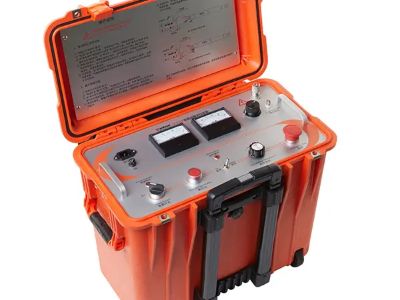
Electrical cable fault locators are essential tools for engineers and maintenance professionals tasked with identifying and diagnosing faults in electrical cables and overhead lines. This Electrical Cable Fault Locator Buying Guide for Engineering Projects will delve into key considerations that B2B buyers must keep in mind when selecting these tools. From understanding technical specifications to evaluating cost factors and installation requirements, this article aims to equip purchasing managers, engineers, and other professionals with the knowledge needed to make informed decisions
Choosing the Right Electrical Cable Fault Locator for Your Project
Selecting the appropriate electrical 11kv cable fault locator involves understanding your specific project requirements. Factors such as the type of cables you will be testing—whether they are low, medium, or high voltage—play a crucial role in determining the suitable model. Additionally, consider the environment where the locator will be used; for instance, outdoor settings may require devices that are weather-resistant and portable
Another important consideration is the technology used by the fault locator. Many modern devices employ advanced features like time-domain reflectometry (TDR), which allows for precise fault location by sending pulses of energy down the cable and measuring the reflections. Buyers should evaluate whether these technical capabilities align with their operational needs and if they can effectively integrate with existing maintenance systems
Key Specifications to Consider When Buying Fault Locators
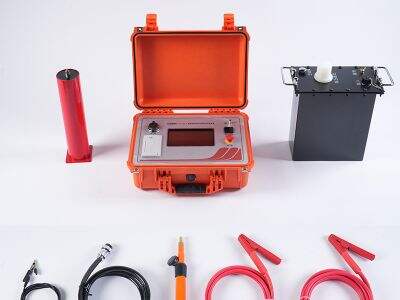
When purchasing an electrical cable fault locator, several key specifications should be considered
Detection Range: The effective range of fault detection can vary widely among devices. Understanding the distance over which the locator can accurately identify faults is crucial, especially for large-scale projects
Operating Voltage: Ensure that the fault locator is compatible with the voltage levels of the cables you are working with. Mismatched voltage ratings can lead to ineffective diagnostics or even equipment damage
User Interface: A user-friendly interface can significantly reduce training time and improve operational efficiency. Look for devices with intuitive displays and controls
Battery Life: For portable units, battery life is a vital specification. A longer battery duration means less downtime and greater productivity in the field
Data Logging Capability: Some advanced fault locators can log data for later analysis. This feature can be particularly valuable for maintenance records and trend analysis over time
Cost Factors to Analyze Before Purchasing Fault Locators
Cost is always a critical factor in the purchasing process. However, it's essential to analyze the total cost of ownership rather than just the initial purchase price. Consider the following
Initial Investment: Evaluate the upfront cost of the fault locator, including any necessary accessories or software
Maintenance Costs: Some models may require regular calibration or servicing, which can add to long-term expenses. Assess the manufacturer's maintenance support and warranty options
Training Expenses: If the device has a steep learning curve, training costs may need to be factored in. Investing in user training can enhance operational efficiency and reduce error rates
Operational Efficiency: Consider how much time and labor the fault locator can save in your projects. A higher initial investment may be justified if it significantly reduces downtime or enhances diagnostic accuracy
Installation Guidance for Electrical Cable Fault Locator Devices
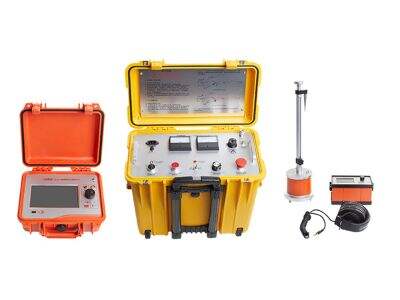
Proper installation of electrical high voltage cable fault locators is vital for optimal performance. Here are some key guidelines
Read Manufacturer Instructions: Always refer to the manufacturer’s installation manual to understand specific requirements and configurations
Calibration: Before use, ensure that the device is calibrated according to the manufacturer's specifications. This step is crucial for achieving accurate results
Testing Environment: Conduct initial tests in a controlled environment to familiarize users with the device functionality and features
Safety Protocols: Adhere to industry safety standards during installation and operation. This includes using personal protective equipment (PPE) and following lockout/tagout procedures
Integration with Existing Systems: If the fault locator is part of a larger diagnostic system, ensure that it integrates seamlessly with other tools and software you are using
Common Problems with Fault Locators and Their Solutions
Despite their advantages, electrical best underground cable fault locators can encounter challenges. Here are some common problems and their corresponding solutions
Inaccurate Readings: If the device provides inconsistent readings, check for issues such as improper calibration or environmental interference. Regularly scheduled maintenance and recalibration can mitigate this issue
Battery Failure: A common issue with portable units is battery failure. Always carry spare batteries or consider models with extended battery life to avoid interruptions in critical work
User Error: New users may struggle with complex devices. Invest in training sessions for operators to reduce errors and enhance the effective use of the equipment
Compatibility Issues: Ensure that the fault locator is compatible with your existing systems. Mismatched technologies can lead to inefficiencies and increased troubleshooting time
Environmental Challenges: For devices used in extreme conditions, such as high humidity or dust, consider models specifically designed to withstand such environments. Regular maintenance checks can also help identify wear and tear early
By understanding these considerations, B2B buyers can make informed decisions about electrical cable fault locators that best meet their project needs. As a manufacturer with extensive experience in fault diagnosis equipment, Tanbos offers a range of solutions designed to enhance reliability and operational efficiency in electrical diagnostics
Table of Contents
- Choosing the Right Electrical Cable Fault Locator for Your Project
- Key Specifications to Consider When Buying Fault Locators
- Cost Factors to Analyze Before Purchasing Fault Locators
- Installation Guidance for Electrical Cable Fault Locator Devices
- Common Problems with Fault Locators and Their Solutions