EN
EN
 AR
AR HR
HR CS
CS NL
NL FR
FR DE
DE EL
EL HI
HI IT
IT JA
JA KO
KO NO
NO PL
PL PT
PT RO
RO RU
RU ES
ES SV
SV TL
TL IW
IW ID
ID SR
SR SK
SK UK
UK VI
VI ET
ET HU
HU TH
TH TR
TR FA
FA MS
MS GA
GA HY
HY AZ
AZ UR
UR BN
BN LA
LA MN
MN KK
KK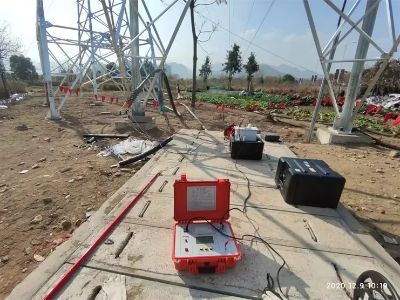
Understanding the difference between HIPOT electrical tests and insulation resistance tests is crucial for electrical buyers. These tests play pivotal roles in ensuring the safety and reliability of electrical systems. As a purchasing manager or engineer, you may have concerns about the best testing methods for your applications, their specifications, and how to choose between them. This article will provide a clear comparison between HIPOT electrical tests and insulation resistance tests, helping you make informed decisions for your electrical testing needs.
What is the Difference Between Hipot Electrical Tests and Insulation Resistance Tests?
HIPOT (High Potential) electrical tests and insulation resistance tests are both essential for evaluating the integrity of electrical insulation. The primary difference lies in their methodologies and purposes.
HIPOT testing applies a high voltage to the insulation to verify its integrity and ability to withstand electrical stress. It is primarily used to detect insulation breakdown and ensure that equipment can operate safely under normal and fault conditions. The test voltage is significantly higher than the normal operating voltage, which helps identify weak points that might not be apparent at standard voltages.
In contrast, insulation resistance testing measures the resistance of the insulation material itself, typically using a lower voltage. This test helps determine the quality of insulation over time and can identify potential deterioration or moisture ingress that could lead to failures. The resistance value obtained indicates the insulation's ability to resist leakage currents, which is critical for the safety and efficiency of electrical installations.
Both tests serve different yet complementary purposes in electrical safety assessments, making it essential for buyers to understand when to use each type of test.
How to Choose Between Hipot and Insulation Resistance Testing Methods?
Choosing between HIPOT and insulation resistance testing methods depends primarily on the specific requirements of your application. Here are some factors to consider:
Application Needs: If you are testing equipment that will experience high voltages during operation, HIPOT testing may be more appropriate. Conversely, for routine maintenance checks or evaluations of aging equipment, insulation resistance tests are often sufficient.
Regulatory Compliance: Certain industry standards and regulations may specify which testing method to use for compliance. Familiarize yourself with the applicable standards in your industry to ensure compliance.
Equipment Sensitivity: If your equipment is sensitive to high voltages, insulation resistance testing is typically less invasive and poses a lower risk of damaging the equipment.
Frequency of Testing: For routine evaluations, insulation resistance testing can be conducted more frequently, while HIPOT electrical test may be reserved for less frequent, more comprehensive evaluations.
Cost Considerations: Although both tests serve essential functions, HIPOT testing typically requires more specialized equipment and may involve higher costs, both in terms of equipment and potential downtime.
By assessing these factors, you can effectively determine which testing method will best meet your operational needs and safety requirements.
Key Specifications of Hipot Tests and Insulation Resistance Tests
Understanding the key specifications of each testing method is vital for making informed decisions. Here are the critical specifications to consider:
HIPOT Testing Specifications:
Test Voltage: Typically between 500V to 5000V or higher, depending on the equipment being tested.
Test Duration: Usually ranges from 1 to 5 minutes, depending on the standard or requirement.
Leakage Current Measurement: Monitors the amount of current that flows through the insulation, which should remain below a specified threshold.
Insulation Resistance Testing Specifications:
Test Voltage: Commonly ranges from 100V to 1000V for general testing, with higher voltages available for specific applications.
Resistance Measurement: Values are usually expressed in megaohms (MΩ), with acceptable minimum resistance values often specified by manufacturers or industry standards.
Test Duration: Typically ranges from 1 to 5 minutes, but can vary depending on the testing protocols.
By understanding these specifications, you can ensure that the testing methods chosen align with your equipment's requirements and industry standards.
Hipot Testing Equipment vs Insulation Resistance Tools
The equipment used for HIPOT and insulation resistance tests varies significantly, tailored to their specific testing methodologies.
Hipot Testing Equipment:
HIPOT Testers: Devices designed to apply high voltage to the insulation while measuring leakage current. They often include features for automatic testing and data logging.
Safety Features: Most HIPOT testers are equipped with safety mechanisms to prevent operator hazards, such as automatic shutdown features and indication lights.
Insulation Resistance Testing Tools:
Insulation Resistance Meters: These devices measure insulation resistance at various voltage levels, providing readings in megaohms. They are generally more portable and user-friendly.
Multimeters with Insulation Resistance Functions: Some advanced multimeter include insulation resistance testing capabilities, though they may not reach the higher test voltages required for certain applications.
When selecting testing equipment, consider your specific needs, including the type of equipment to be tested, the environment, and the required safety features.
Hipot vs Insulation Resistance Solutions
When considering the best solutions for electrical testing, both HIPOT and insulation resistance tests offer distinct advantages and applications.
Advantages of Hipot Testing:
Thorough Insulation Evaluation: HIPOT electrical can reveal potential breakdowns in insulation that may not be detected by lower voltage methods.
Standardized Testing Protocols: Many industries have established HIPOT testing protocols that enhance safety and reliability.
Advantages of Insulation Resistance Testing:
Routine Maintenance: Insulation resistance tests are ideal for regular maintenance checks, allowing for early detection of insulation degradation.
Cost-Effective: Generally less expensive and easier to perform than HIPOT electrical test, making them suitable for frequent use.
In summary, both HIPOT and insulation resistance tests are crucial components of a comprehensive electrical safety strategy. By understanding their differences, specifications, and applications, you can make informed decisions that enhance the safety and reliability of your electrical systems. When considering your testing needs, evaluate the specific requirements of your equipment, industry standards, and the operational context to select the most suitable testing method.
Table of Contents
- What is the Difference Between Hipot Electrical Tests and Insulation Resistance Tests?
- How to Choose Between Hipot and Insulation Resistance Testing Methods?
- Key Specifications of Hipot Tests and Insulation Resistance Tests
- Hipot Testing Equipment vs Insulation Resistance Tools
- Hipot vs Insulation Resistance Solutions