EN
EN
 AR
AR HR
HR CS
CS NL
NL FR
FR DE
DE EL
EL HI
HI IT
IT JA
JA KO
KO NO
NO PL
PL PT
PT RO
RO RU
RU ES
ES SV
SV TL
TL IW
IW ID
ID SR
SR SK
SK UK
UK VI
VI ET
ET HU
HU TH
TH TR
TR FA
FA MS
MS GA
GA HY
HY AZ
AZ UR
UR BN
BN LA
LA MN
MN KK
KK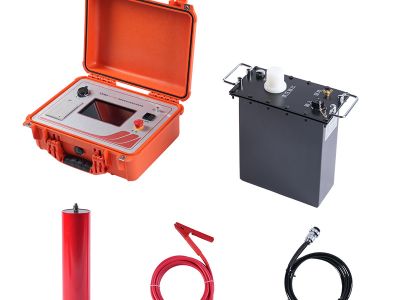
Performing a qualified Hipot electrical test for industrial cables is crucial for ensuring the safety and reliability of electrical systems. This process involves applying a high-voltage test to cables to detect insulation failures and ensure they can withstand operational stresses. For purchasing managers, engineers, and other B2B buyers, understanding the equipment needed for this testing, along with quality control measures and common challenges, is vital for making informed decisions. This article will guide you through the essential equipment, quality control measures, cost factors, installation guidance, and common problems associated with hipot tester.
What Equipment is Essential for Qualified Hipot Electrical Testing?
To perform a qualified Hipot electrical test, specific equipment is essential. The primary tool is the Hipot tester, which applies a high-voltage (typically between 1 kV to 100 kV) to the cable under test. Key features to consider when selecting a hipot cable testing include:
Voltage Range: Ensure the tester can handle the required voltage levels for your specific application. This may vary based on the type of cables being tested.
Output Type: The tester should provide AC, DC, or both output types, depending on the testing standards you need to comply with.
Safety Features: Look for testers with built-in safety mechanisms, such as automatic shutdown or fault detection, to protect both the equipment and personnel.
Measurement Capabilities: Advanced testers come with the capability to measure leakage current, capacitance, and insulation resistance, providing a comprehensive overview of the cable’s performance.
Additionally, accessories such as test leads, adapters, and safety equipment (e. g., gloves and goggles) are necessary to ensure safe operation during testing.
Quality Control Measures for Hipot Testing Equipment in Manufacturing
When it comes to Hipot testing equipment, quality control is paramount. Manufacturers should implement several measures to ensure reliability and performance:
Calibration: Regular calibration of Hipot testers is essential to maintain accuracy. This process should be documented, and certificates of calibration should be retained for compliance and auditing purposes.
Testing Protocols: Establishing standardized testing protocols ensures consistency in testing procedures, which helps identify any discrepancies in equipment performance.
Material Quality: Ensure that the materials used in the construction of the testing equipment meet industry standards. Poor-quality components can lead to inaccurate test results or equipment failure.
Regular Maintenance: Scheduled maintenance of testing equipment minimizes downtime and prolongs the lifespan of the devices. This includes inspecting cables, connectors, and other accessories for wear and tear.
By adhering to these quality control measures, manufacturers can enhance the reliability of their Hipot testing processes, ultimately leading to safer electrical installations.
Cost Factors to Evaluate When Purchasing Hipot Test Equipment
The cost of Hipot test equipment can vary widely based on several factors. Understanding these can help buyers make informed purchasing decisions:
Equipment Features: As mentioned earlier, the features and specifications of the Hipot tester can significantly influence its price. Advanced models with higher voltage capacities and additional measurement capabilities will typically cost more.
Brand Reputation: Established brands with a history of reliability and customer support may command higher prices. However, they often provide added assurance in terms of quality and service.
Warranty and Support: Consider the warranty period and the availability of technical support when evaluating costs. A longer warranty or comprehensive support package can justify a higher initial investment.
Training and Certification: Some suppliers offer training programs for their hipot machine, which can be an added cost but essential for ensuring proper use and compliance with safety standards.
Evaluating these factors will help you align your budget with the necessary features and reliability you need for effective testing.
Installation Guidance for Effective Use of Hipot Testing Equipment
Proper installation and setup of Hipot testing equipment are critical for accurate results and safety. Here are some guidelines to ensure effective use:
Environment Preparation: Conduct tests in a controlled environment free from moisture and dust. This minimizes risks of false readings and equipment damage.
Setup Procedure: Follow the manufacturer's instructions for setting up the Hipot tester. Ensure all connections are secure and that the equipment is calibrated per standards before performing tests.
Safety Protocols: Implement safety protocols, including ensuring that all personnel are aware of the high-voltage risks. Establish clear procedures for handling equipment and conducting tests.
Documentation: Maintain detailed records of all installations, including calibration dates and test results. This data is essential for compliance and future troubleshooting.
By following these guidelines, you can maximize the effectiveness of your Hipot testing and enhance overall safety during operations.
Common Problems in Hipot Testing and Their Practical Solutions
While conducting Hipot tests, operators may encounter common problems that can affect test accuracy and safety. Here are some typical issues and their solutions:
Insulation Breakdown: If a cable fails the Hipot test, it may indicate insulation breakdown. Inspect the cable for physical damage, and consider replacing it if necessary. Always retest after addressing the issue.
False Readings: Environmental factors, such as humidity or dirt on test leads, can lead to inaccurate readings. Ensure that the testing environment is clean and controlled, and regularly clean test leads and connectors.
Equipment Malfunction: If the Hipot tester itself is malfunctioning, check for calibration status and perform routine maintenance. If issues persist, consult the manufacturer for technical support.
Operator Error: Inadequate training can result in improper test execution. Ensure all operators are thoroughly trained on the equipment and testing procedures to minimize errors.
Addressing these common problems proactively can improve the reliability of your testing processes and ensure safety in electrical installations.
Understanding the essential equipment, quality control measures, cost factors, installation guidelines, and common issues associated with Hipot electrical testing for industrial cables is crucial for professionals in the industry. By applying this knowledge, purchasing managers, engineers, and suppliers can make informed decisions that enhance the safety and reliability of their electrical systems.
Table of Contents
- What Equipment is Essential for Qualified Hipot Electrical Testing?
- Quality Control Measures for Hipot Testing Equipment in Manufacturing
- Cost Factors to Evaluate When Purchasing Hipot Test Equipment
- Installation Guidance for Effective Use of Hipot Testing Equipment
- Common Problems in Hipot Testing and Their Practical Solutions