EN
EN
 AR
AR HR
HR CS
CS NL
NL FR
FR DE
DE EL
EL HI
HI IT
IT JA
JA KO
KO NO
NO PL
PL PT
PT RO
RO RU
RU ES
ES SV
SV TL
TL IW
IW ID
ID SR
SR SK
SK UK
UK VI
VI ET
ET HU
HU TH
TH TR
TR FA
FA MS
MS GA
GA HY
HY AZ
AZ UR
UR BN
BN LA
LA MN
MN KK
KK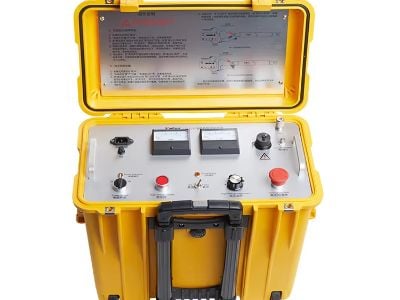
What an Underground Cable Fault Locator Reveals About Aging Insulation
Underground cable fault locators play a crucial role in detecting issues within electrical cables, particularly in relation to aging insulation. As cables age, insulation can deteriorate, leading to faults that can cause significant operational disruptions and safety hazards. Understanding the implications of these faults and how to effectively use fault locators is essential for purchasing managers, engineers, and maintenance teams. This article will delve into the specifications of underground 11kv cable fault locator fault locators, explain their function, discuss common problems associated with aging cable insulation, and highlight how to source reliable equipment.
What to Look for in an Underground Cable Fault Locator's Specifications?
When selecting an underground cable fault locator, several specifications are critical to ensure optimal performance. Key features to consider include:
Sensitivity and Range: This determines how accurately and at what distance the device can detect faults. Higher sensitivity allows for the dete ction of smaller faults, which is vital in aging insulation that may not present overt issues.
Type of Fault Detection: Different locators may specialize in various types of faults, such as low-resistance faults or high-resistance faults. Understanding the specific needs of your application can guide you toward the right model.
Display and User Interface: A clear display and intuitive interface enhance usability, especially in field conditions where quick assessments are necessary. Look for models with graphical displays that can render data in an easily interpretable format.
Power Source: Battery-operated models offer portability, while plug-in versions may provide extended use without the need for recharging. Assess the operational environment to determine the most suitable option.
Durability and Protection Ratings: Given the often harsh environments in which these tools are used, select a locator with high ingress protection (IP) ratings and rugged construction to ensure reliability over time.
Understanding these specifications helps buyers make informed decisions about which underground best underground cable fault locator fault locator meets their operational needs.
Underground Cable Fault Locators Explained
Underground cable fault locators are specialized tools designed to identify and pinpoint faults in buried electrical cables. They utilize various techniques, including time-domain reflectometry (TDR) and audio frequency methods, to detect disruptions in electrical continuity caused by insulation degradation or physical damage.
The primary function of these locators is to minimize downtime by quickly identifying the location of faults, allowing for timely repairs. This is particularly important in industrial settings where interruptions can lead to substantial financial losses.
Moreover, modern fault locators often come equipped with advanced features such as data logging and connectivity options, enabling integration into broader asset management systems. This capability enhances maintenance planning and helps track the health of the electrical infrastructure over time.
Common Problems with Aging Cable Insulation and Their Solutions
Aging cable insulation can lead to several issues that impact performance and safety. Common problems include:
Cracking and Brittle Insulation: As insulation ages, it can become brittle and crack, leading to exposure of conductors. Regular inspections using fault locators can help identify these vulnerabilities before they cause significant faults.
Moisture Ingress: Aging insulation may allow moisture to penetrate, leading to corrosion and electrical failures. Implementing moisture detection features in your fault locator can assist in recognizing potential failure points.
Electrical Leakage: Deteriorating insulation often results in electrical leakage, which can lead to safety hazards and equipment damage. Fault locators can detect variations in resistance that indicate insulation failure, enabling proactive maintenance.
Thermal Degradation: Over time, cable fault may experience thermal degradation, resulting in insulation breakdown. Monitoring temperature profiles and employing thermal imaging alongside fault locators can provide comprehensive oversight.
Addressing these issues early through regular maintenance and the use of advanced fault locators can significantly reduce operational risks associated with aging cable insulation.
Where to Source Reliable Underground Cable Fault Locators Wholesale?
For purchasing managers and procurement specialists, sourcing reliable underground cable fault locators is crucial. Key considerations include:
Reputable Manufacturers: Look for suppliers with a solid track record in the industry. Companies like Tanbos, with years of experience in RD and manufacturing of fault diagnosis equipment, provide proven solutions backed by technical expertise.
Quality Certifications: Ensure that the locators meet industry standards and possess relevant certifications. This guarantees that the devices have undergone rigorous testing for safety and performance.
Customization Options: Some projects may require specific features or configurations. Working with manufacturers that offer customization can help tailor solutions to meet unique operational needs.
Wholesale Pricing: Establish relationships with suppliers that offer competitive bulk pricing. This can be particularly beneficial for companies needing multiple units for extensive infrastructure.
Customer Support and Training: Opt for suppliers that provide ongoing support and training on the use of their equipment. This ensures that your team can maximize the effectiveness of the fault locators.
Engaging with reliable suppliers will enhance your purchasing decisions and ensure that you receive high-quality products suited for your operational requirements.
Evaluating Material Advantages in Underground Cable Fault Locators
The materials used in underground cable fault locators significantly impact their performance and durability. Key material considerations include:
Housing Materials: Look for equipment constructed from high-impact plastics or metals that resist corrosion and wear. This is crucial for maintaining functionality in field conditions.
Cable and Connectors: The quality of cables and connectors used in fault locators can affect signal integrity. Ensure that these components are made from high-conductivity materials to enhance performance.
Insulation: Just as the insulation in cables is crucial, the insulation in the fault locator itself must withstand environmental stresses. Select models with robust insulation that can endure temperature fluctuations and moisture exposure.
Sealant Technology: Advanced sealants can protect electronic components from dust and moisture ingress. Choose fault locators with superior sealing technology for increased longevity.
By focusing on these material advantages, buyers can select fault locators that not only perform well but also provide long-term reliability, reducing the frequency of replacements and maintenance costs.
Table of Contents
- What to Look for in an Underground Cable Fault Locator's Specifications?
- Underground Cable Fault Locators Explained
- Common Problems with Aging Cable Insulation and Their Solutions
- Where to Source Reliable Underground Cable Fault Locators Wholesale?
- Evaluating Material Advantages in Underground Cable Fault Locators