EN
EN
 AR
AR HR
HR CS
CS NL
NL FR
FR DE
DE EL
EL HI
HI IT
IT JA
JA KO
KO NO
NO PL
PL PT
PT RO
RO RU
RU ES
ES SV
SV TL
TL IW
IW ID
ID SR
SR SK
SK UK
UK VI
VI ET
ET HU
HU TH
TH TR
TR FA
FA MS
MS GA
GA HY
HY AZ
AZ UR
UR BN
BN LA
LA MN
MN KK
KK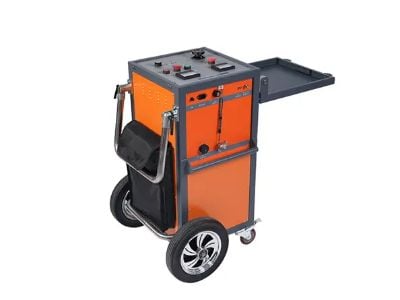
Understanding how an advanced HT LT cable fault locator reduces power outage times is crucial for purchasing managers and engineers in the manufacturing and utility sectors. These cable fault devices are vital for quickly identifying and diagnosing faults in high and low tension cables, which can significantly minimize downtime during power outages. This article will help you navigate the complexities of selecting and sourcing these advanced tools, ensuring you make informed decisions that align with your operational needs.
Key Specifications to Consider When Choosing a Cable Fault Locator
When selecting an HT LT cable fault locator, key specifications play a pivotal role in performance and reliability. Here are the critical factors to evaluate:
Detection Range: The locator should have a sufficient detection range suitable for your cable lengths. Devices with extended detection capabilities reduce the time spent searching for faults.
Accuracy: Precision is paramount. Look for cable fault detector that provide accurate fault distance measurements. An inaccurate reading can lead to unnecessary digging and prolonged outages.
Voltage Rating: Ensure the locator matches the voltage specifications of the cables you will be testing. This compatibility is essential for safety and functionality.
Ease of Use: A user-friendly interface can significantly reduce training time for staff. Features like touch screens and intuitive navigation enhance operational efficiency.
Durability: The environmental conditions of your operational area may require rugged equipment. Assess the housing materials and IP ratings to ensure they can withstand harsh conditions.
Data Logging and Connectivity: Advanced models may offer data logging capabilities, allowing users to track past faults. Connectivity options, such as Bluetooth or Wi-Fi, enable easy data transfer and analysis.
By carefully considering these specifications, you can select a cable fault detector machine that not only meets your immediate needs but also adapts to future challenges.
Where to Source Reliable HT LT Cable Fault Locators for Your Projects?
Sourcing reliable cable fault locators is crucial for ensuring consistent quality and performance. Here are practical tips:
Established Manufacturers: Look for companies like Tanbos, which have been specializing in intelligent fault diagnosis equipment since 2007. Their experience in research and development can be a strong indicator of product reliability.
Authorized Distributors: Engage with authorized distributors who represent reputable manufacturers. They often have the latest models and can provide insights based on customer feedback and industry trends.
Online Marketplaces: While purchasing through online platforms can be convenient, ensure that the sellers are verified. Check for product reviews and seller ratings to mitigate risks.
Trade Shows and Industry Conferences: Attending industry events can provide opportunities to see products in action and speak directly to manufacturers. This can also facilitate networking with other industry professionals.
Customer Referrals: Seek recommendations from peers within your industry. First-hand experiences often provide insights that are not reflected in product specifications.
By sourcing from credible suppliers, you can ensure that you receive robust and effective cable fault locators, thus minimizing potential operational disruptions.
Installation Guidance for Advanced Cable Fault Locator Solutions
Proper installation of your HT LT cable fault locator is critical for optimal performance. Here are steps to guide you through the process:
Pre-Installation Checks: Before installation, verify that all components are included and undamaged. Review the manufacturer's manual to familiarize yourself with the equipment.
Calibration: Many advanced locators require calibration before use. Follow the manufacturer’s guidelines to ensure accurate readings. Calibration should also be verified periodically, especially after transportation or storage.
Training: Ensure that personnel responsible for operating the locator receive adequate training. Understanding the equipment's functions and capabilities can dramatically impact fault detection efficiency.
Safe Operation Practices: When using the locator, adhere to safety protocols. This includes wearing appropriate protective gear and ensuring that the work area is clear of hazards.
Field Test: Conduct a field test to confirm the locator is functioning properly before deploying it for actual fault diagnosis. This test can help identify any issues with the device or the operator's understanding.
Documentation: Keep detailed records of the installation process, calibration settings, and any issues encountered. This documentation can be invaluable for future reference and troubleshooting.
By following these guidelines, you can ensure that your cable fault locator is set up for success, helping to minimize downtime during power outages.
Common Problems Encountered with Cable Fault Locators and Solutions
Even with advanced technology, users may encounter several common issues with cable fault locators. Here are some frequent problems and their solutions:
Inaccurate Readings: If the locator provides inconsistent measurements, check for proper calibration. Environmental factors, such as nearby electrical interference, may also affect accuracy. Reassess the testing environment to eliminate these variables.
Battery Life: Short battery life can hinder operations. Ensure that the locator’s batteries are fully charged before use, and consider purchasing additional batteries or a charging dock for extended work sessions.
User Error: Inexperienced operators may misinterpret data. Regular training sessions can enhance understanding and proficiency, reducing reliance on troubleshooting guides.
Equipment Damage: Physical damage can occur during transport or rough use. Invest in protective cases and train staff on proper handling techniques to minimize risks.
Software Issues: If the locator features software for data logging or analysis, ensure it is updated regularly. Outdated software can lead to compatibility issues and diminished functionality.
By addressing these common issues proactively, you can maximize the efficiency of your cable fault locator and reduce the time your operations are affected by power outages.
How to Evaluate the Reliability of Your Cable Fault Locator Supplier?
Choosing a reliable supplier for your HT LT cable fault locator is essential for ensuring product quality and support. Here are steps to assess potential suppliers:
Company Background: Investigate the supplier’s history, focusing on their experience in manufacturing cable fault locators. A company like Tanbos, with over a decade of experience, provides a level of assurance regarding product quality and expertise.
Customer Reviews and Testimonials: Look for feedback from previous customers. Positive reviews on performance, durability, and customer service can indicate a trustworthy supplier.
Certifications and Compliance: Ensure that the supplier meets industry standards and certifications relevant to cable fault locators. This can include quality management systems or safety certifications.
After-Sales Support: Evaluate the level of customer support offered. A reliable supplier should provide training, warranty services, and responsive customer service.
Customization Capabilities: If your projects require tailored solutions, inquire about the supplier’s ability to customize products to meet specific needs.
Delivery and Lead Times: Assess the supplier’s ability to meet your timeline requirements. Reliable suppliers should provide clear information regarding lead times and delivery processes.
By thoroughly evaluating potential suppliers, you can establish a partnership that supports your operational needs and minimizes downtime caused by cable faults.
Table of Contents
- Key Specifications to Consider When Choosing a Cable Fault Locator
- Where to Source Reliable HT LT Cable Fault Locators for Your Projects?
- Installation Guidance for Advanced Cable Fault Locator Solutions
- Common Problems Encountered with Cable Fault Locators and Solutions
- How to Evaluate the Reliability of Your Cable Fault Locator Supplier?