EN
EN
 AR
AR HR
HR CS
CS NL
NL FR
FR DE
DE EL
EL HI
HI IT
IT JA
JA KO
KO NO
NO PL
PL PT
PT RO
RO RU
RU ES
ES SV
SV TL
TL IW
IW ID
ID SR
SR SK
SK UK
UK VI
VI ET
ET HU
HU TH
TH TR
TR FA
FA MS
MS GA
GA HY
HY AZ
AZ UR
UR BN
BN LA
LA MN
MN KK
KK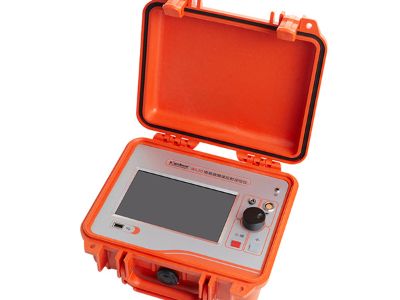
High voltage cable testing equipment is essential for utilities to ensure the safety and reliability of electrical infrastructure. At Tanbos, we understand that B2B buyers, such as purchasing managers and engineers, prioritize quality, accuracy, and efficiency in their testing solutions. This article will explore why top utilities trust our high voltage cable tester equipment, addressing key specifications, quality assurance measures, sourcing details, common challenges, and installation guidance to assist buyers in making informed decisions.
Key Specifications to Consider When Choosing High Voltage Cable Testing Tools
When selecting high voltage cable testing equipment, several key specifications should be considered to ensure compatibility with your operational requirements.
Voltage Rating: It's crucial to choose high voltage cable testing equipment with a voltage rating that meets or exceeds the maximum voltage in your application. Equipment with insufficient voltage ratings can lead to inaccurate readings and potential safety hazards.
Testing Modes: Different testing modes, such as insulation resistance testing, power factor testing, or time-domain reflectometry, provide various insights into cable integrity. Assess your specific needs to determine which modes are essential.
Measurement Range: Ensure the equipment can measure parameters such as resistance, capacitance, or dielectric strength within the ranges required for your cables. Inadequate measurement ranges can result in undetected faults.
User Interface: The ease of use of the interface can significantly impact testing efficiency. Look for intuitive designs with clear displays and user-friendly navigation, which can save time during testing operations.
Portability: Depending on your testing environment, consider whether the equipment needs to be portable. Compact and lightweight designs are often beneficial for field testing scenarios.
By carefully evaluating these specifications, buyers can select high voltage cable testing tools that align with their specific operational needs and safety requirements.
How Our High Voltage Cable Testing Equipment Ensures Quality and Reliability?
At Tanbos, our high voltage cable testing equipment is designed with precision engineering and rigorous quality control processes. Each unit undergoes extensive testing to ensure it meets industry standards and provides reliable performance.
Material Selection: We use high-grade materials that can withstand harsh environmental conditions while ensuring accurate readings. Quality materials help reduce wear over time, extending the life of the equipment.
Manufacturing Capabilities: Our dedicated manufacturing processes incorporate advanced technology and skilled labor, allowing us to produce high voltage cable testing equipment that meets strict quality standards.
Certifications: While specific certifications are not detailed here, it's essential for buyers to confirm that testing equipment complies with relevant industry standards. Compliance ensures that the equipment is safe and effective for use in high voltage applications.
Quality Control Measures: We implement stringent quality assurance protocols at every stage of production, including testing for accuracy, durability, and safety. This commitment to quality helps build trust with utilities that rely on our equipment.
Customer Support: Our team is committed to providing ongoing support, including training on equipment operation and troubleshooting, ensuring that users can maximize the benefits of their testing tools.
Through these measures, our high voltage cable testing equipment delivers the quality and reliability that top utilities depend on for their operations.
Where to Source High Voltage Cable Testing Equipment for Bulk Orders?
Sourcing high voltage cable testing equipment requires careful consideration to ensure reliability and consistency, especially for bulk orders. Here are some key steps to facilitate the process:
Direct Manufacturers: Partnering with manufacturers like Tanbos can provide advantages such as direct communication, customized solutions, and potentially lower costs for bulk orders. We specialize in intelligent fault diagnosis equipment and can cater to specific needs.
Request for Quotation (RFQ): When preparing to source equipment, create a detailed RFQ that includes specifications such as voltage ratings, testing modes, and desired quantities. This clarity helps manufacturers provide accurate pricing and lead times.
Evaluate Supplier Capabilities: Assess the manufacturing capabilities and experience of potential suppliers. Look for those who have a proven track record in producing high voltage cable testing equipment to ensure you receive reliable products.
Check References and Reviews: Consider reaching out to other utilities and companies that have purchased from the supplier. Their experiences can provide insight into product performance and customer service quality.
Negotiation and Terms: Discuss pricing, lead times, and warranty terms during the sourcing process. Understanding these factors can help ensure a smooth purchasing experience.
By following these steps, buyers can efficiently source high voltage cable testing equipment that meets their needs and budget.
Common Problems in Cable Testing and Our Reliable Solutions Explained
Cable testing can present various challenges that may affect the accuracy and reliability of results. Understanding these common problems and our solutions can help improve testing outcomes.
Insulation Degradation: Over time, insulation on cables can deteriorate, leading to faults. Our testing equipment includes insulation resistance testing capabilities, allowing for early detection of insulation issues before they escalate.
Environmental Factors: Temperature fluctuations and moisture can impact test results. Our equipment is designed to function accurately across a range of environmental conditions, ensuring dependable performance in various settings.
Incorrect Calibration: Regular calibration is essential for maintaining the accuracy of testing equipment. We provide guidance on proper calibration practices and offer calibration services to ensure that our equipment performs optimally.
Operator Error: Inexperienced operators may misinterpret results or misuse equipment. We offer comprehensive training and user manuals to help operators understand proper testing procedures and interpret data accurately.
Incompatibility with Existing Systems: Buyers should verify that new testing equipment is compatible with their existing systems. Our team can assist in confirming compatibility and providing recommendations for integration.
By recognizing these common problems and implementing our reliable solutions, utilities can enhance their cable testing processes and ensure greater safety and reliability in their operations.
Installation Guidance for Optimal Use of High Voltage Cable Testing Equipment
Proper installation and setup of high voltage cable testing equipment are vital for achieving accurate results. Here are essential guidelines to follow during the installation process:
Site Preparation: Ensure the testing environment is clear of obstacles and has appropriate safety measures in place. This includes having the proper personal protective equipment (PPE) and ensuring that the area is well-ventilated.
Equipment Setup: Follow the manufacturer's instructions for assembling and setting up the equipment. This includes connecting all necessary cables and ensuring that the equipment is on a stable surface to prevent movement during testing.
Calibration: Before initiating any tests, perform a calibration check according to the manufacturer’s guidelines. This step is crucial for ensuring the accuracy of the test results.
Testing Procedures: Familiarize yourself with the specific testing procedures for your equipment. This includes understanding how to navigate the user interface and interpret the data presented.
Documentation: Maintain thorough documentation of all tests performed, including settings used and results obtained. This information is valuable for future reference and helps in tracking the performance of the cables over time.
By adhering to these installation guidelines, users can ensure optimal performance of high voltage cable testing equipment, leading to reliable results and enhanced safety in electrical operations.
Table of Contents
- Key Specifications to Consider When Choosing High Voltage Cable Testing Tools
- How Our High Voltage Cable Testing Equipment Ensures Quality and Reliability?
- Where to Source High Voltage Cable Testing Equipment for Bulk Orders?
- Common Problems in Cable Testing and Our Reliable Solutions Explained
- Installation Guidance for Optimal Use of High Voltage Cable Testing Equipment