A company of Xianheng international
 EN
A company of Xianheng international
EN
EN
A company of Xianheng international
EN

Home > Support > Cases > Cable Fault Location
I. Pre-Test Preparation
| Test Date | August 19, 2024 |
| Test Personnel | Tanbos Zhang Yuanjian |
| Test Location | Ulanhot, Inner Mongolia |
| Laying Method | Directly Buried |
| Location of Both Ends | One end is in the ring network cabinet and the other end is in the distribution box |
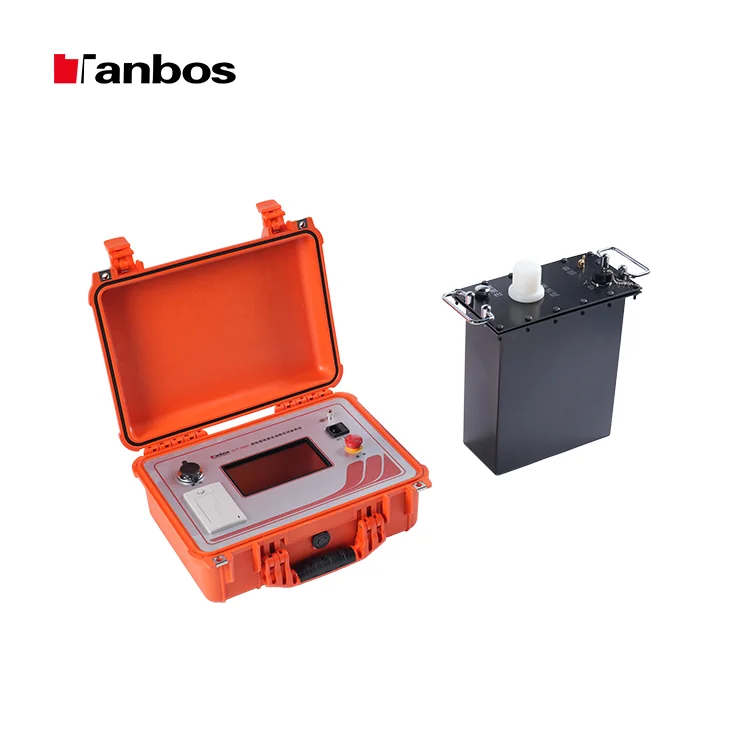
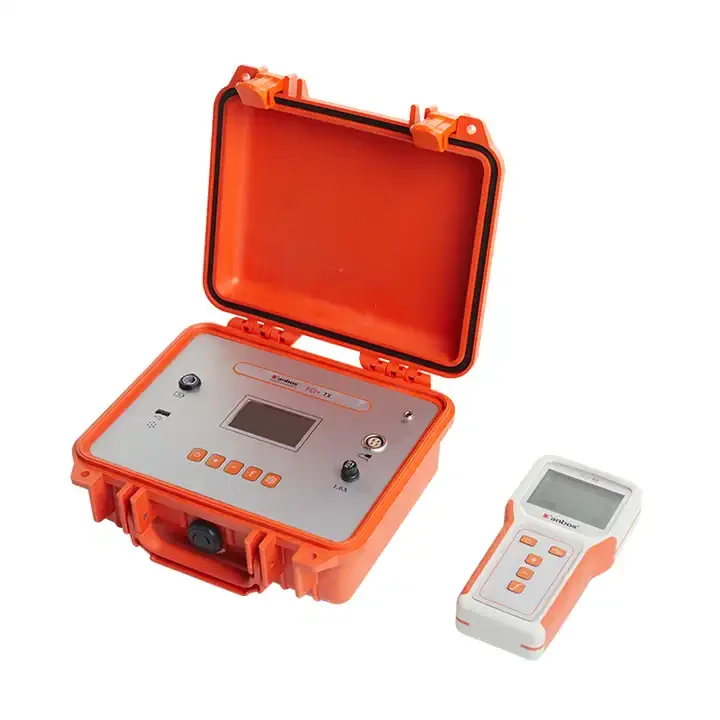
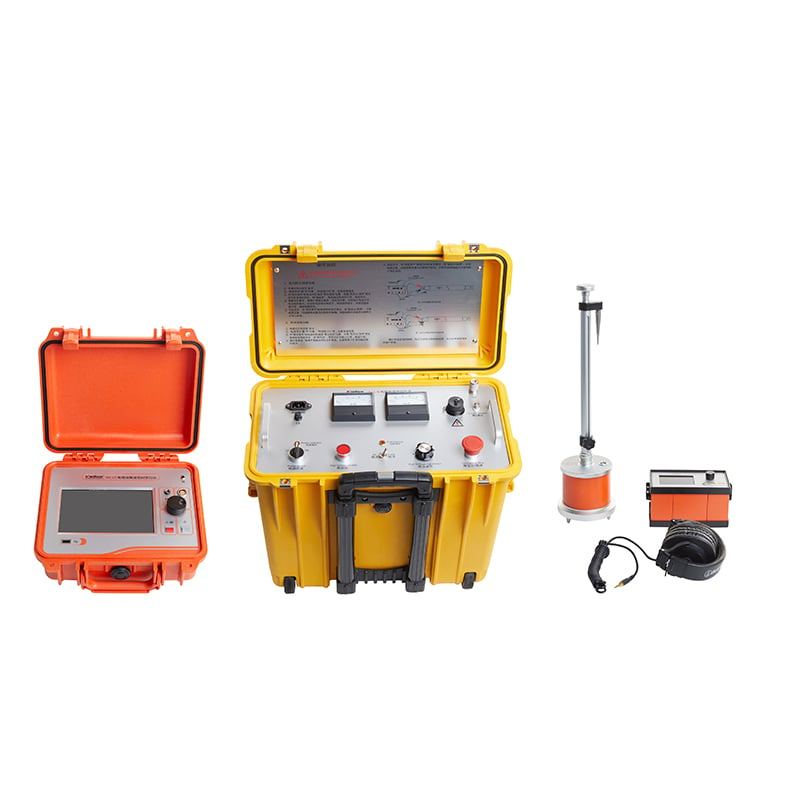
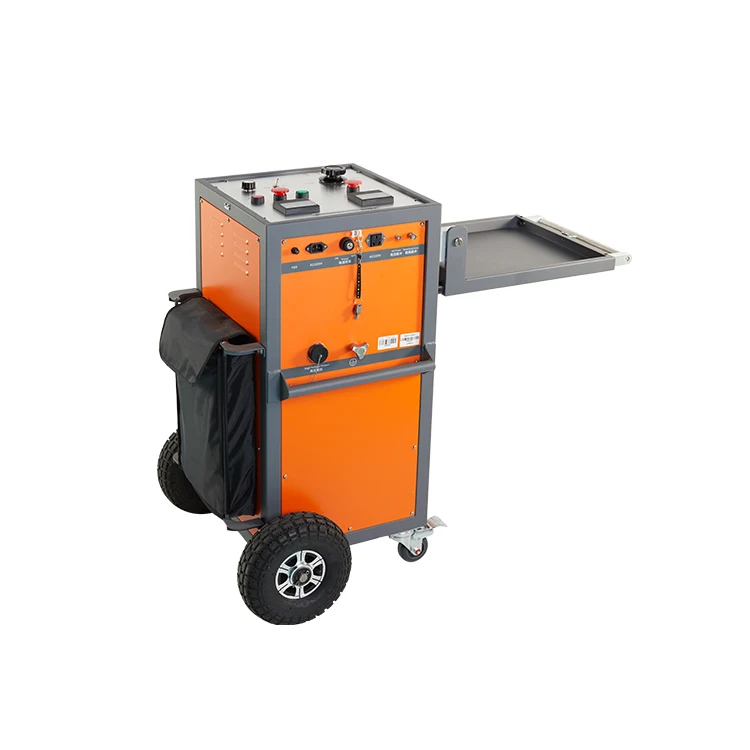
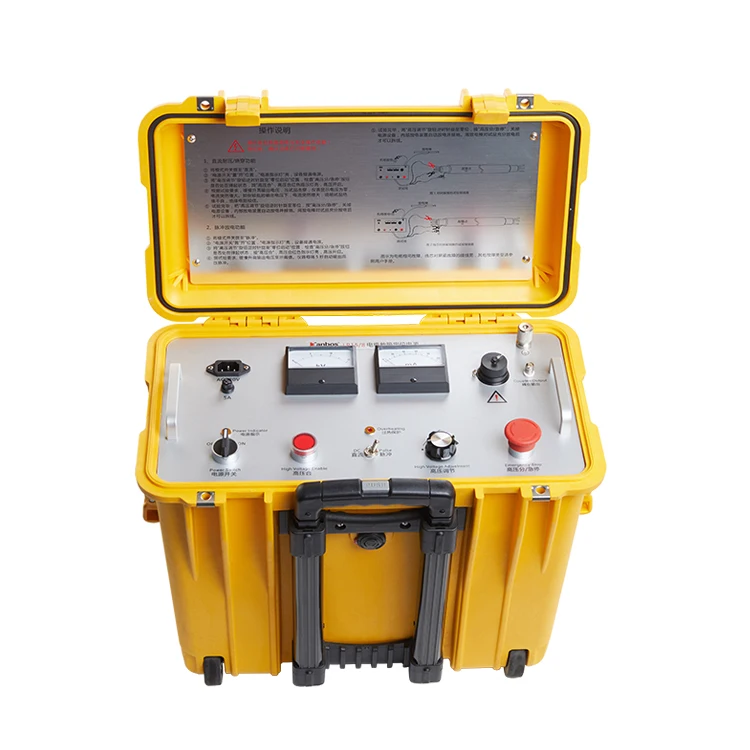
| Instruments Used | T8 Cable Fault Location System |
| Basic Site Information | The cable is a 380V cable with a total length of about 165 meters. It has a clear path and ends at the corner of the stairs. |
II. Test Process
Step 1: Determine the nature of the fault The 500V insulation megger separately tests the insulation resistance of the three-phase cable to ground, and all three phases are zero to ground. The three phases were retested with a multimeter. The resistance values of A, B, and C to ground were all about 10kΩ, and the interphase test between A and B was 600Ω. It was initially judged that it was a short-circuit fault between A and B.
Step 2: Pre-positioning the fault
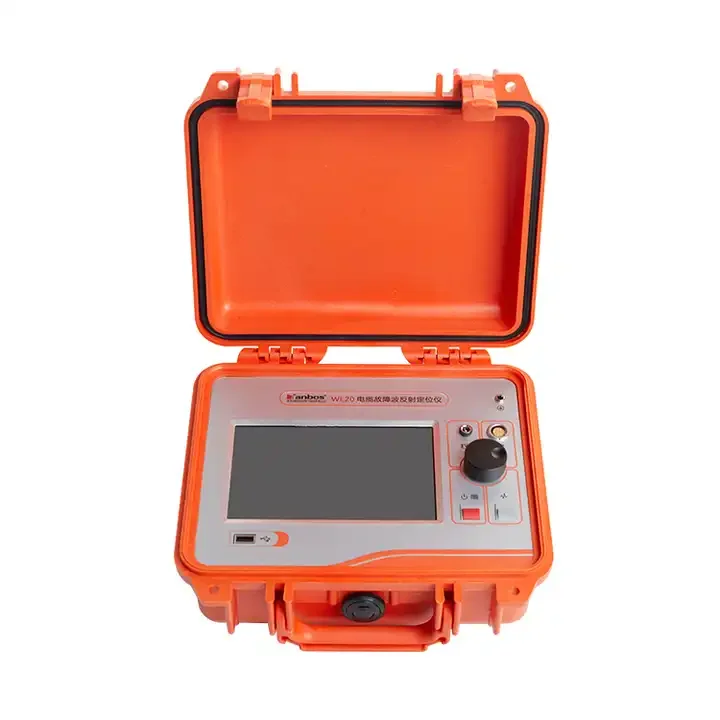
First, use the WL20 wave reflector low-voltage pulse method to test the full length of the three phases of the cable. The length of the three phases is about 165m;
It was initially determined that it was a high-resistance fault between A and B phases. A voltage of 7kV was applied to the A and B phases. After the fault point was broken down, the pulse current waveform was collected as shown in the figure below. The waveform was obviously cyclical, and the fault distance was 162m.
Step 3: Find the cable path
Step 4: Accurately fix the point 1. The total length of the cable measured by the low-voltage pulse is 165 meters, and the pulse current waveform test length is 162 meters. The fault location is basically consistent with the total length of the cable, and the fault point is located at the end of the cable. 2. A 7kV high-voltage pulse was applied to the fault phase, and a fixed-point meter pp20 reached the end to set the point. Since the end of the cable was at the corner of the first and second floors of the residential building, the point was first set at the first floor. It was found that the fault point discharge sound was emitted near the corner of the first floor. The acoustic-magnetic time difference was the smallest, and the discharge sound in the earphone was the largest. The minimum acoustic-magnetic time difference was 2.9ms, and the point was successful.
III. Test Summary
 AR
AR HR
HR CS
CS NL
NL FR
FR DE
DE EL
EL HI
HI IT
IT JA
JA KO
KO NO
NO PL
PL PT
PT RO
RO RU
RU ES
ES SV
SV TL
TL IW
IW ID
ID SR
SR SK
SK UK
UK VI
VI ET
ET HU
HU TH
TH TR
TR FA
FA MS
MS GA
GA HY
HY AZ
AZ UR
UR BN
BN LA
LA MN
MN KK
KK