A company of Xianheng international
 EN
A company of Xianheng international
EN
EN
A company of Xianheng international
EN

Home > Support > Cases > Cable Fault Location
I. Pre-Test Preparation
| Test Date | December 16, 2024 |
| Test Personnel | Engineers from Tanbos (He Sen, Wei Hongchang) |
| Test Location | Hangzhou City |
| Laying Method | Direct-buried |
| Location of Both Ends | Both ends are in switchgear |
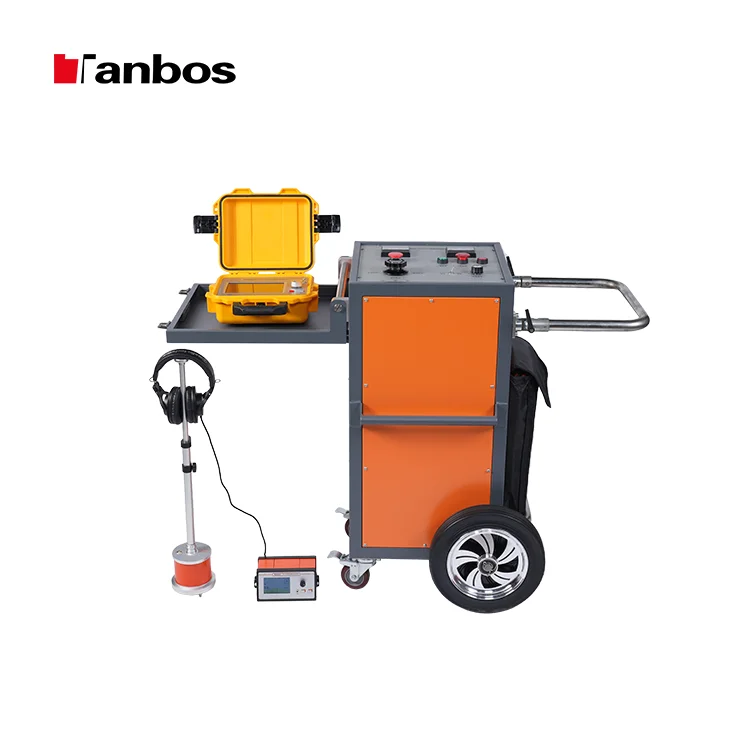
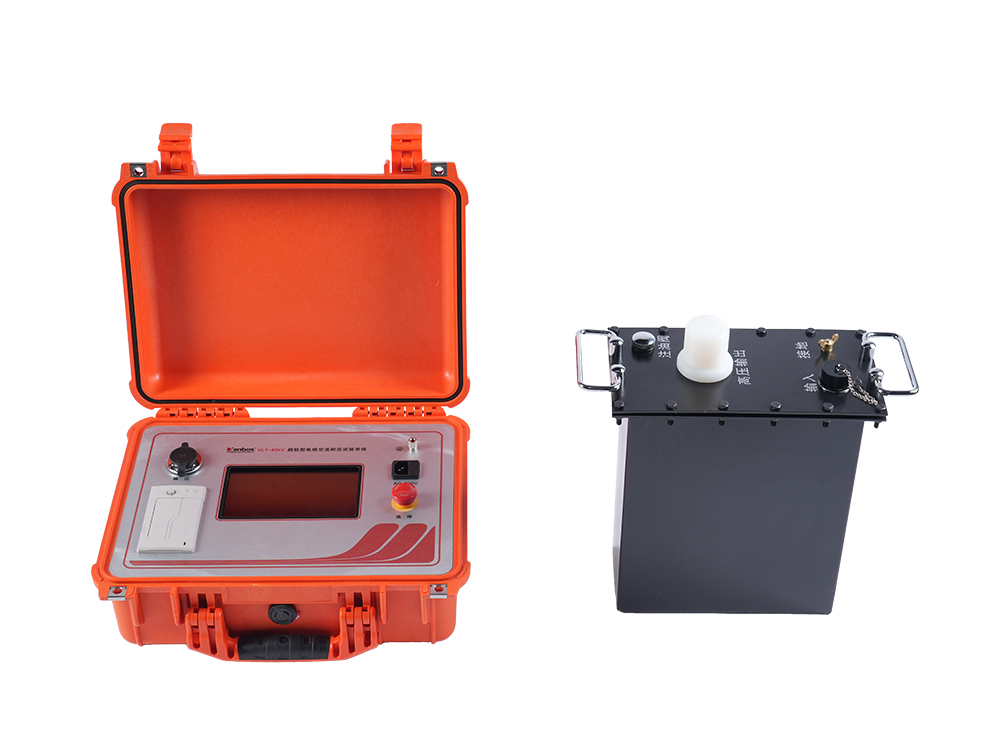
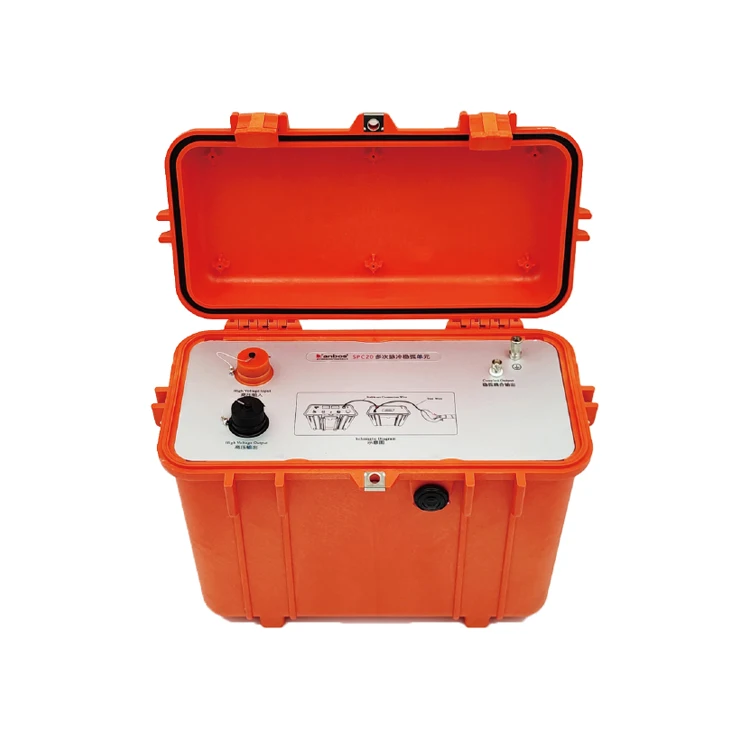
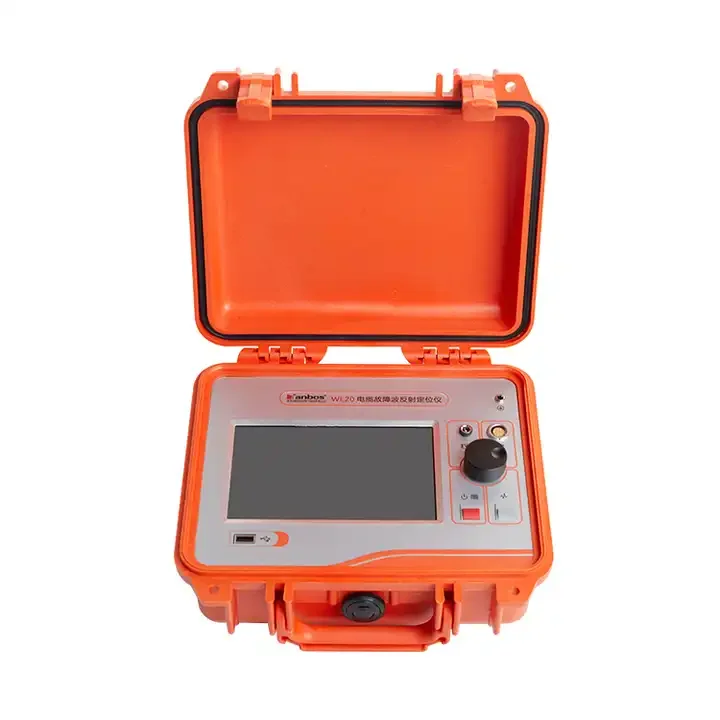
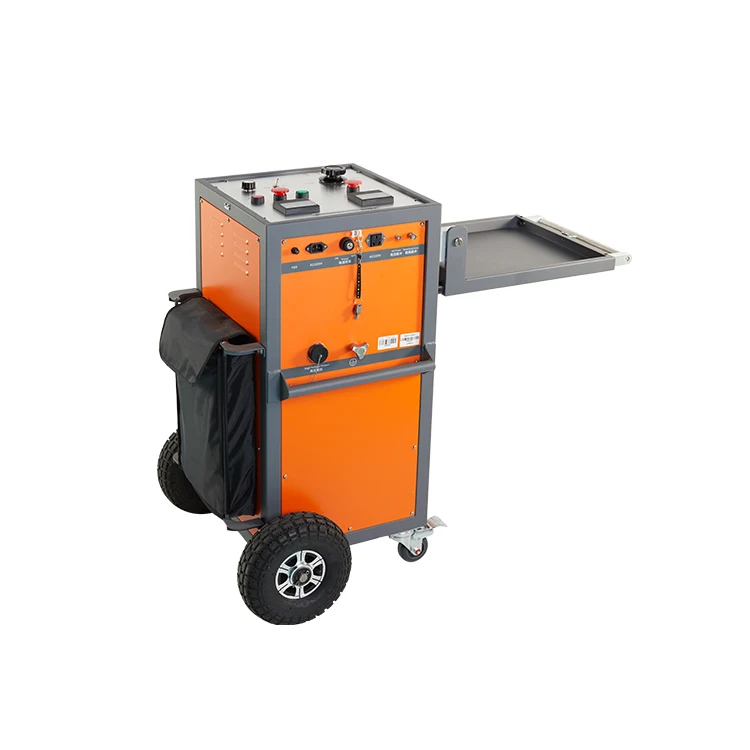
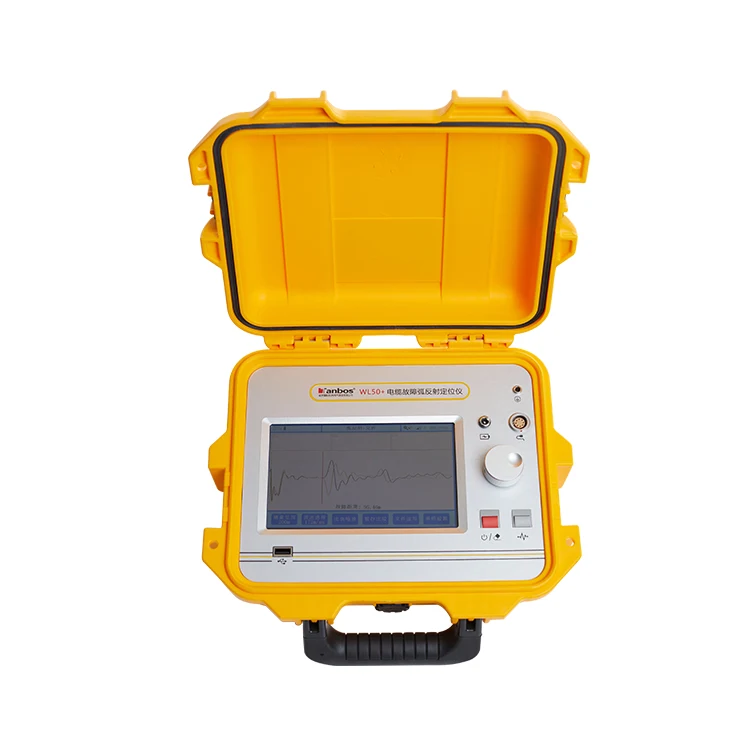
| Instruments Used | T18 Cable Fault Location System |
| Basic Site Information | 380V cable, 198m in length, both ends are suspended, path known |
II. Test Process
Step 1: Determining the Fault Nature
The insulation between each phase was measured using an on-site insulation megohmmeter, and the fault nature was initially determined as follows:
Initial determination: Phase A is intact, while phases B and C exhibit high-resistance faults.
Step 2: Fault Pre-Location
The low-voltage pulse method was used to test the good phase A of the cable, as shown in Figure 1. The total cable length was measured to be 198 meters. Measurements were taken for phases B and C, and the fault distance was determined to be approximately 39 meters , as shown in Figure 2. A joint was known to be located at approximately 30 meters, therefore, high-voltage surge was directly applied to pinpoint the fault location.
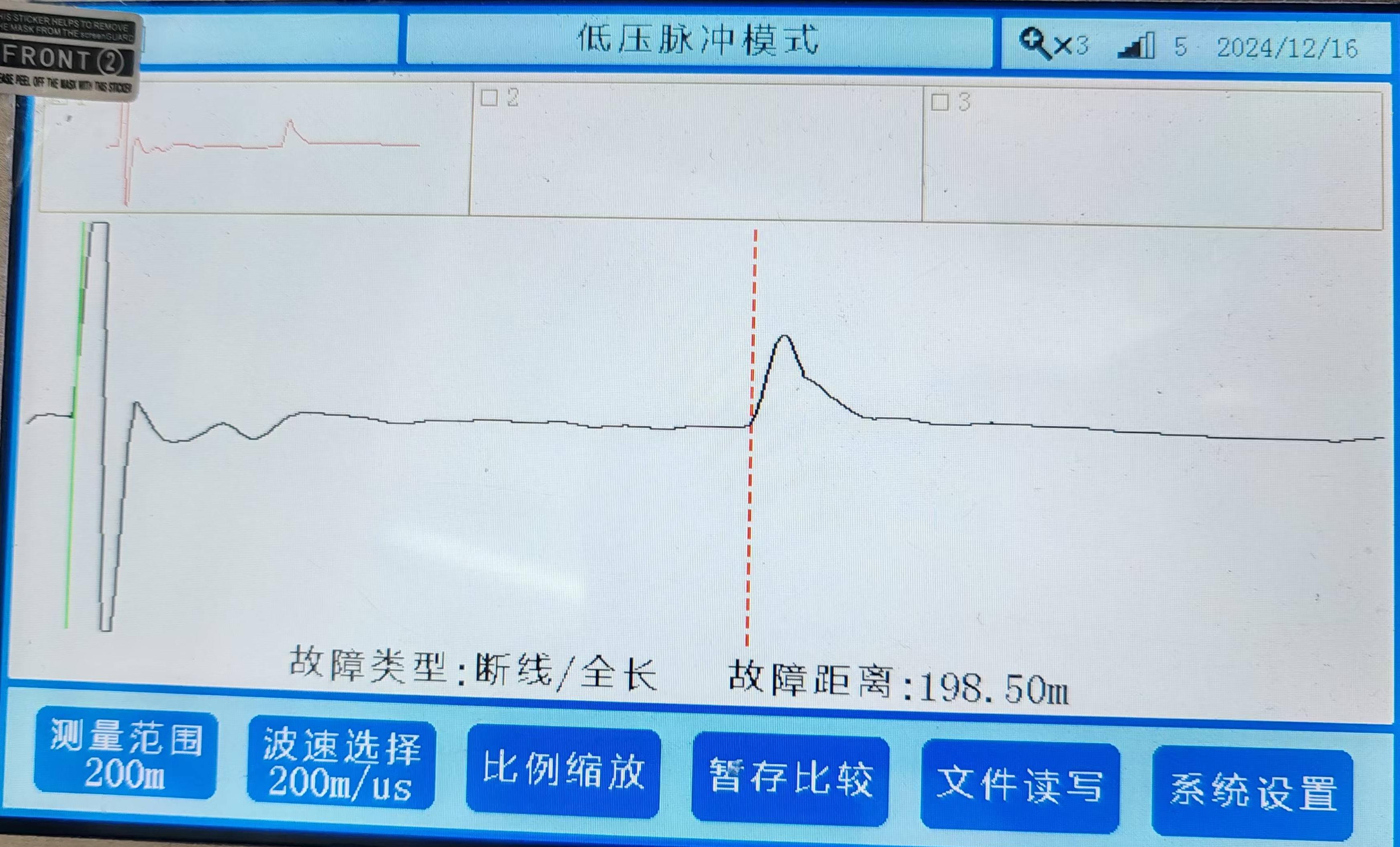
Figure 1. Cable Length
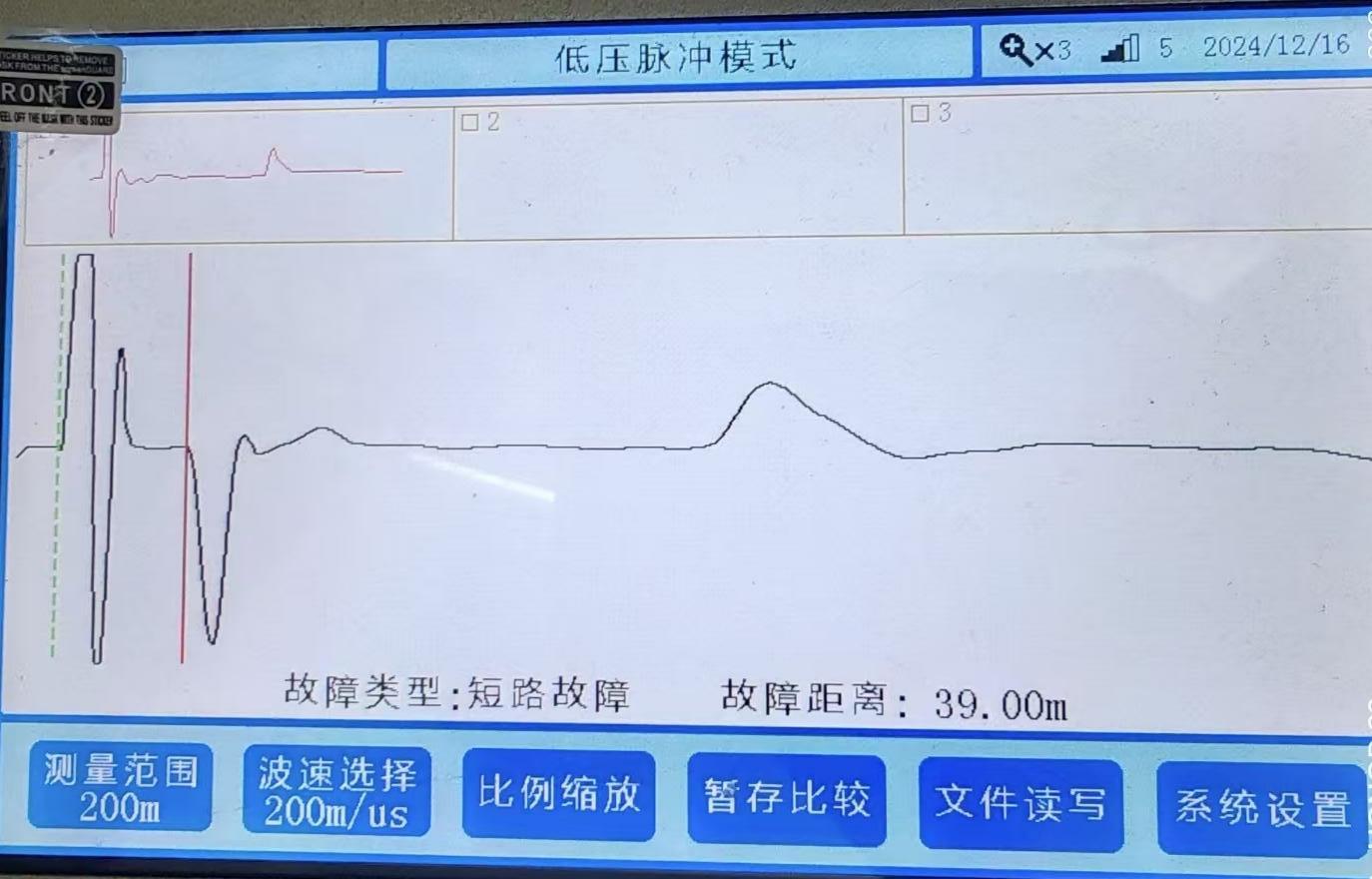
Figure 2. Low-Resistance Fault Waveform
Step 3: Cable Path Locator
The approximate cable routing is shown in Figure 3.
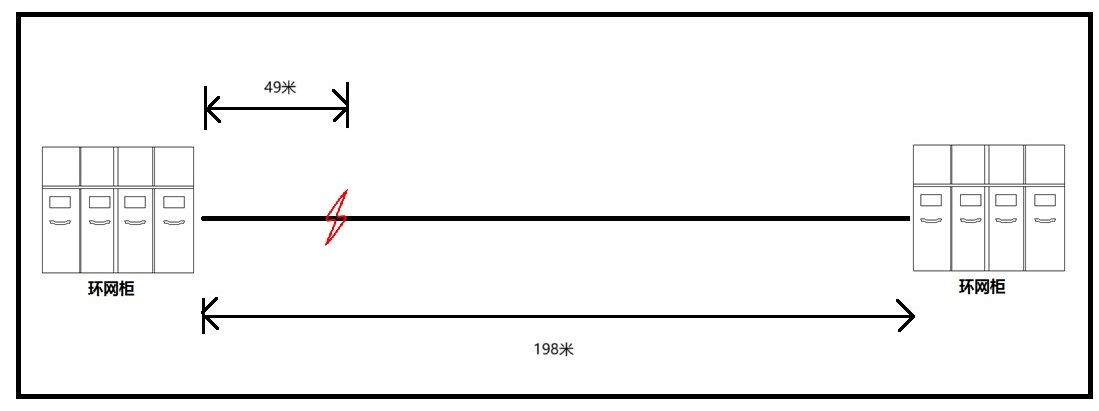
Figure 3. Cable Path Diagram
Step 4: Precise Fault Location
Based on the on-site situation, information from the customer, and feedback from the low-voltage pulse waveform, there is a joint in the cable at 49 meters. Therefore, the faulty cable was directly surge testing was directly applied for fault pinpointing . After confirming the cable path, an 8 kV high-voltage surge was applied directly to the cable. On-site personnel, ensuring safety, moved to the cable joint location for acoustic detection . A clear discharge sound was detected at the fault point , as shown in Figure 4.
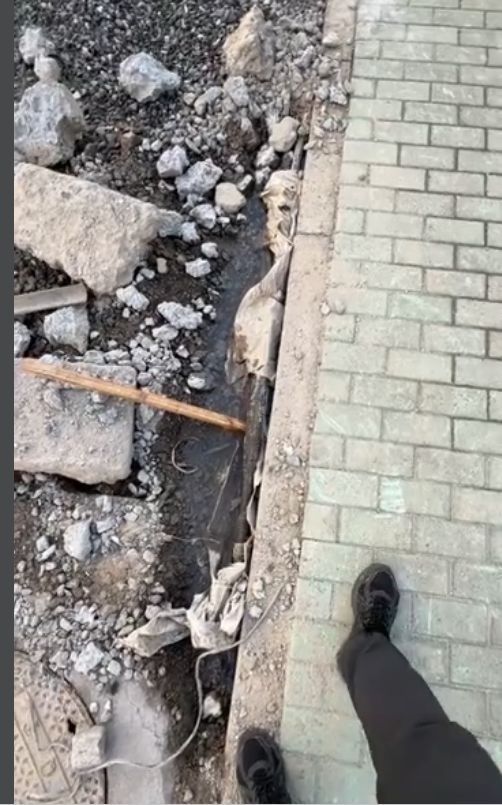
Figure 4. Fault Location
III. Test Summary
1. Before conducting cable fault testing, it is advisable to analyze the surrounding environment as much as possible and obtain cable information from the customer. Inquire about any recent construction work along the cable path and the characteristics of cable faults.
2. If the location of the cable fault is unusual, such as the fault at the joint in this case where the path is clear, direct surge testing can be used for pinpointing .
3. When we pre-locate the fault, we use the discharge signal of the fault point to locate the fault. Therefore, if conditions permit on site, we can use a variety of pre-locating methods to pre-locate the fault or test at the other end to verify the fault distance.
 AR
AR HR
HR CS
CS NL
NL FR
FR DE
DE EL
EL HI
HI IT
IT JA
JA KO
KO NO
NO PL
PL PT
PT RO
RO RU
RU ES
ES SV
SV TL
TL IW
IW ID
ID SR
SR SK
SK UK
UK VI
VI ET
ET HU
HU TH
TH TR
TR FA
FA MS
MS GA
GA HY
HY AZ
AZ UR
UR BN
BN LA
LA MN
MN KK
KK