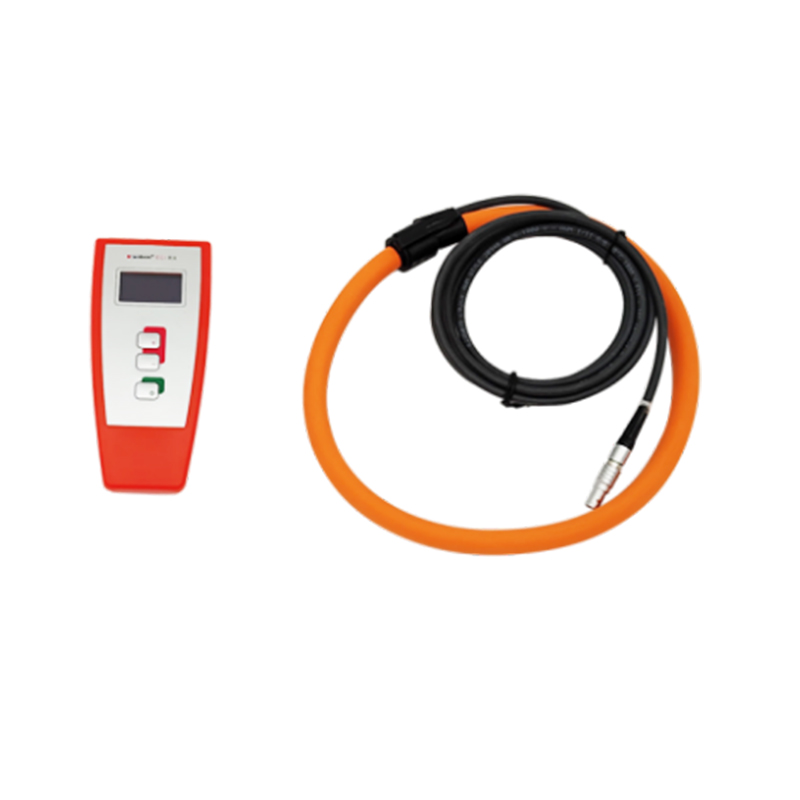
A company of Xianheng international
 EN
A company of Xianheng international
EN
EN
A company of Xianheng international
EN
Discovering problems in electrical cables is critical for maintaining machines and buildings safely. When cables fail, they can also result in power failures or fires. At Tanbos, we understand the importance of identifying these defects fast and precisely. In this piece I’ll discuss some strong methods that you can employ to search these problems out and how you can get the most out of what you find.
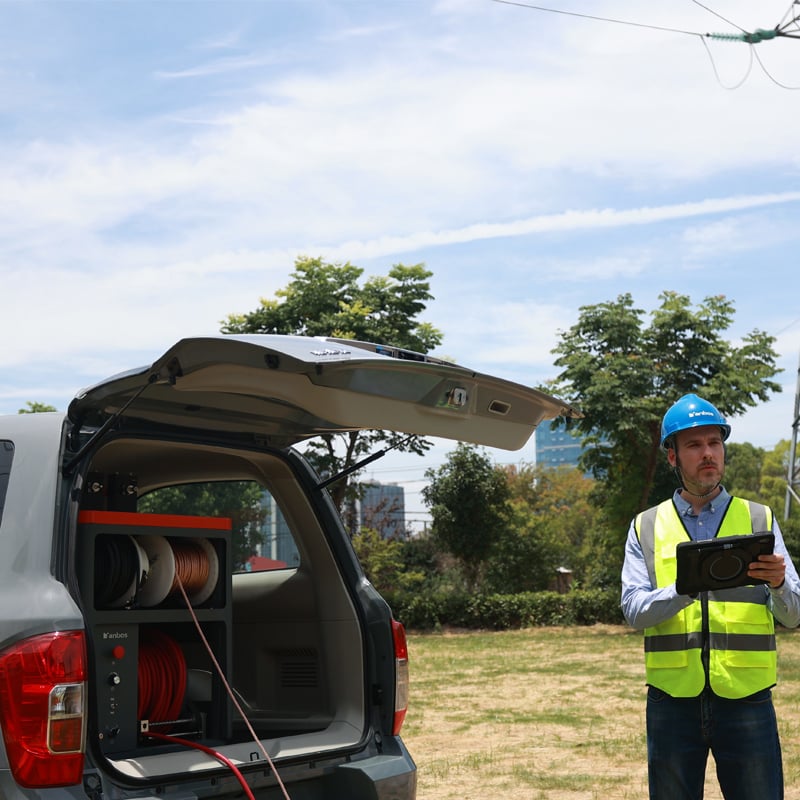
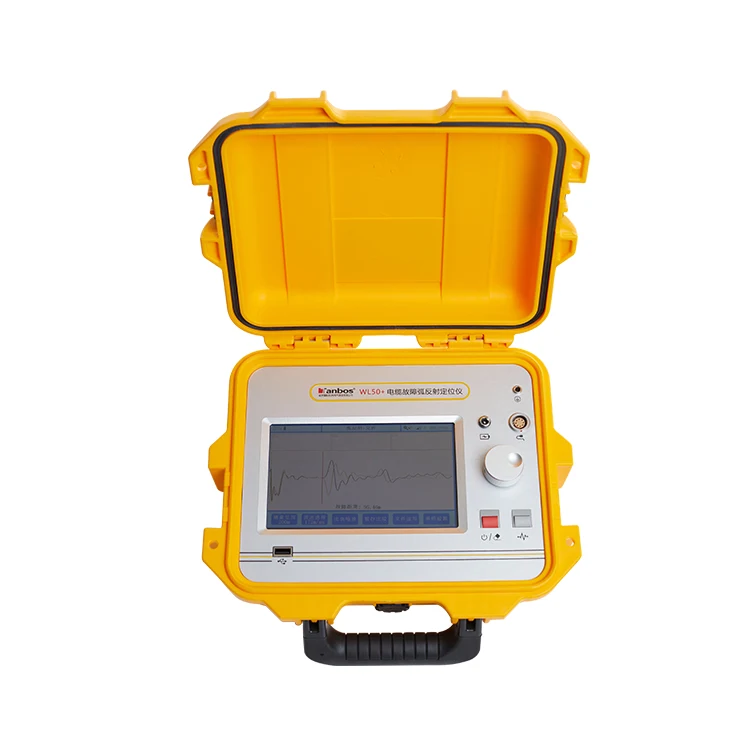
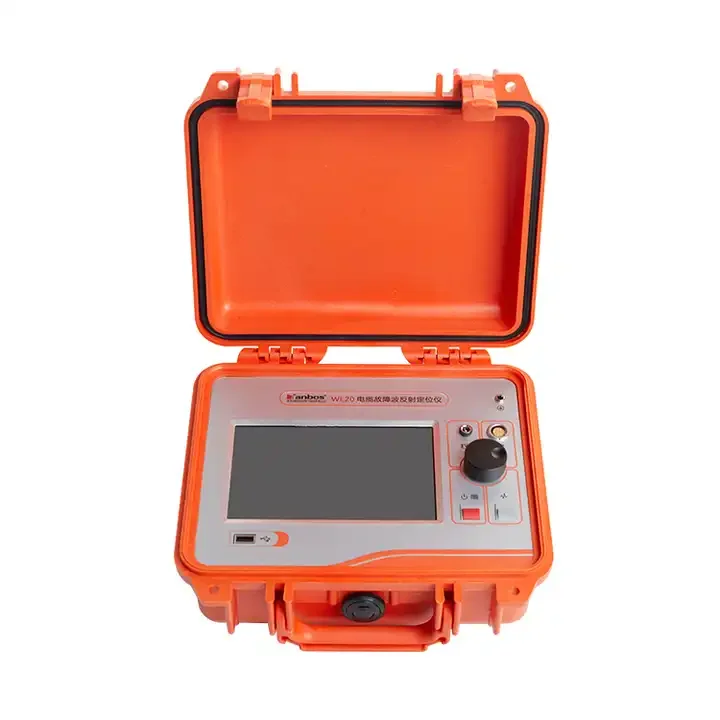
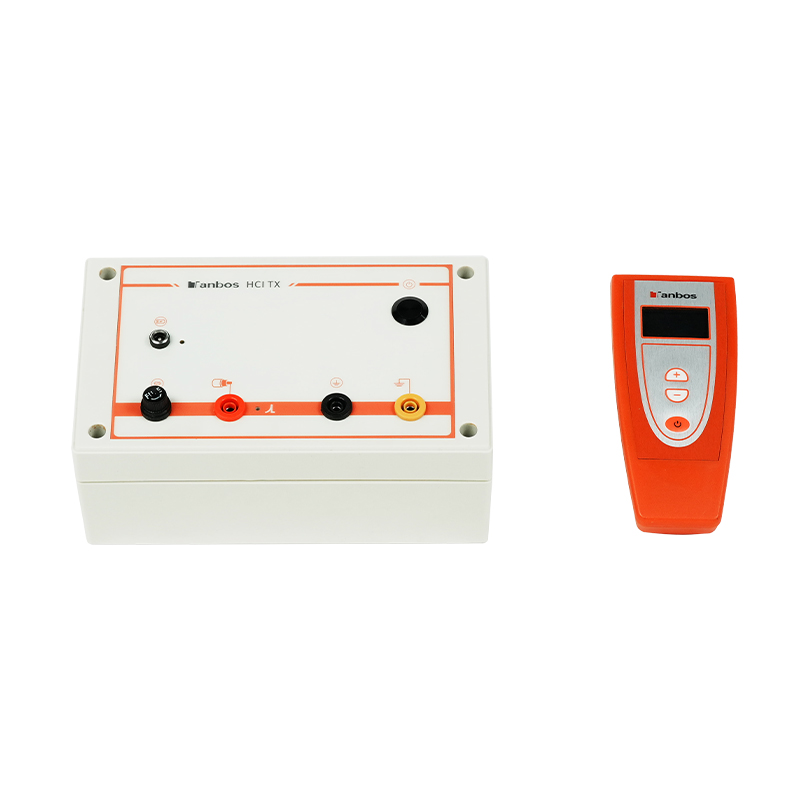
Several methods are in use to locate faults in electric power cables. One of the most common approaches utilizes a time domain reflectometer (TDR). So a TDR sends a signal down the cable and then looks for reflections. Whether it’s a break or some other problem, the signal is bouncing. This makes it easier to spot the issue fast. Another method is insulation resistance measurements. This test is to see if the insulation of the cable is working well or not. Weak insulation can cause a short circuit or shock. In some cases, visual inspections may also yield issues. Technicians can check for evidence of wear, such as frayed wires or burned areas. Thermal imagery is also being used. It locates heat spots in cables, which might point to a malfunction. If one part of the cable is significantly hotter than other parts, it may indicate that too much current is flowing there, and a couple of years later, it might fail. Also a cable locator can be used to locate the route of buried cables. This is useful so that the cords aren’t accidentally tripped over when a hole is being dug or during construction. Individually, the tests can each provide a piece of the puzzle, but together they can work better to reveal what may be wrong. For example, one may begin with a visual inspection that directs testing to certain places using the TDR. But you want strong professionals holding those tools, because experience plays a big role in being able to fault-find and fix things as quickly as possible.
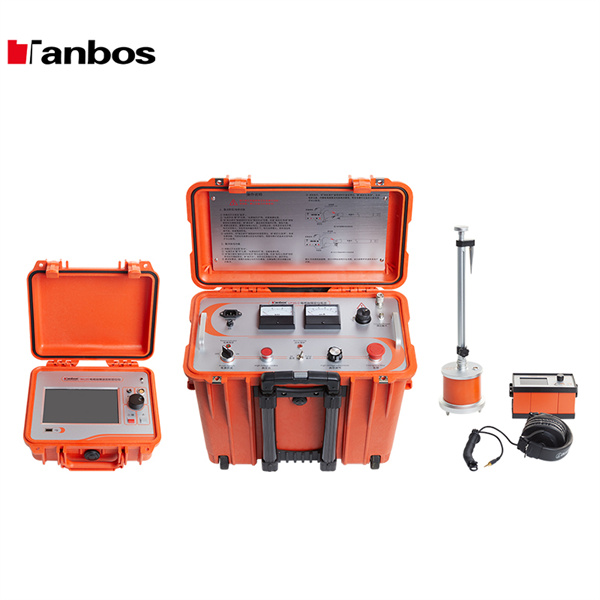
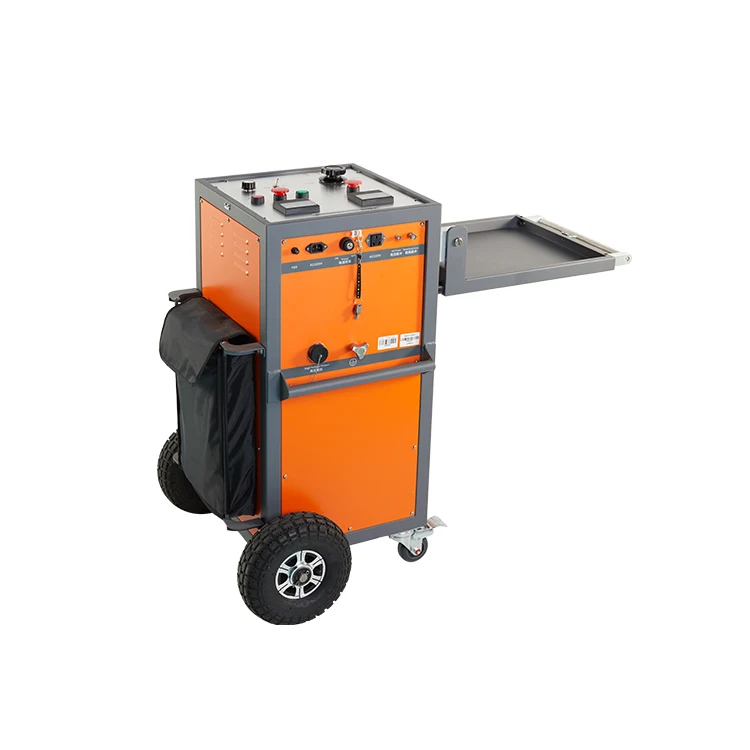
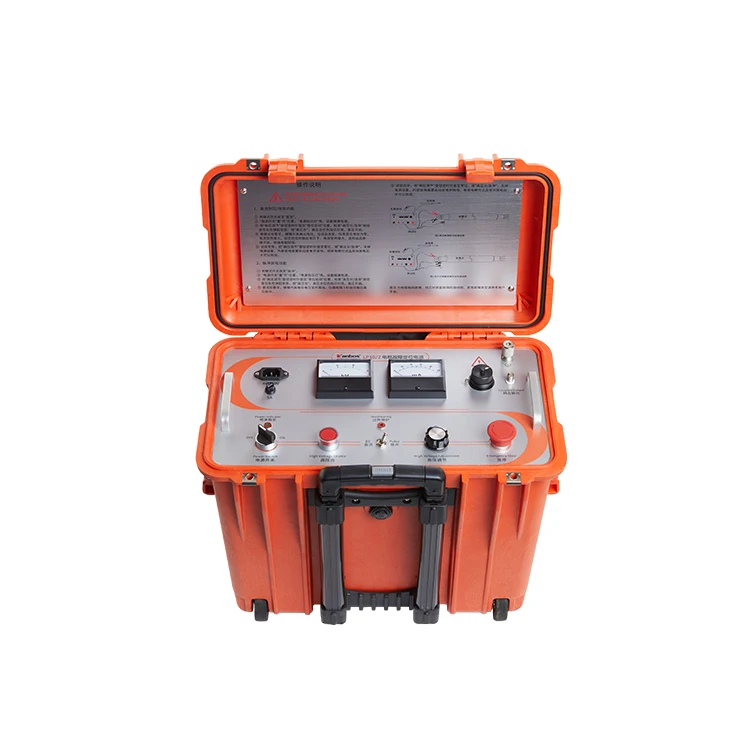
Troubleshooting electrical cable faults demands a precise approach to gain results. The other is that selecting the appropriate tool for a given task is crucial. There is need for good quality equipment, including TDR or insulation tester. Still, tools are not sufficient. They have to be used by someone who knows what they are. Training and experience are key. We always push our Tanbos team to learn more. They participate in workshops and learning sessions which help them being informed on the most recent techniques, tactics, tools. Also maintaining the tools is essential. When the tools aren’t working, it can yield questionable results. For example, a low battery in a testing apparatus can have unreal test results. It’s also a question of cleanliness; dust and dirt play havoc with testing tools. And planning the testing process can help, too. Review all cabling layout with previous known issues for the technicians. This can help them decide where they should begin testing. Also, it provides a record of every test and the results over time. No more testing If a cable experiences recurring issues, it should be replaced. Team work certainly helps as well. Technicians can trade insights and ideas, rather than turning a set of knobs to try to see problems. Finally, don’t forget your safety. Troubleshooting can be dangerous, so you need safety gear to protect yourself. Following these tips will lead to more accurate electrical cable fault finding, which in turn will help ensure that a system continues to be successful and safe.
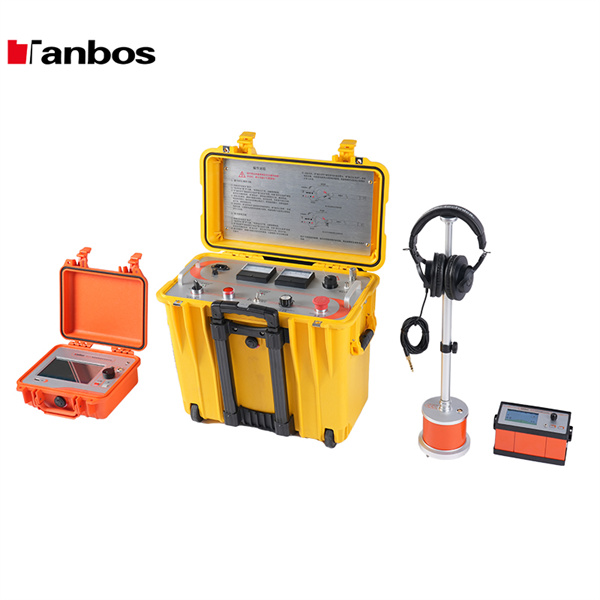
New tools and technologies in recent years have made it a lot easier to find problems in electrical cables. A cool innovation has to do with drones and robots. These robots can get to inaccessible places, such as the roofs of tall buildings or underground tunnels where workers might be at risk — or just not keen on going. Drones can fly over regions and use special cameras to search out issues without any risk to an individual. Another critical technology is the adoption of intelligent sensors. They can be attached to cables and sense problems like overheating or breaks in the cable. Then when something goes wrong, these sensors alert the people in charge so they can fix it immediately before it leads to bigger problems. Tanbos is constantly evolving to stay current with these advancements in order to continue supporting the best possible service. There are also new software programs to help technicians more easily analyze data and locate faults. The software relies on high-powered computers to analyze vast troves of data and highlight where the problems most likely lie. These tools and technologies help us find and fix problems faster and more safely, something for which there is a huge need these days to keep our electrical systems operating smoothly.
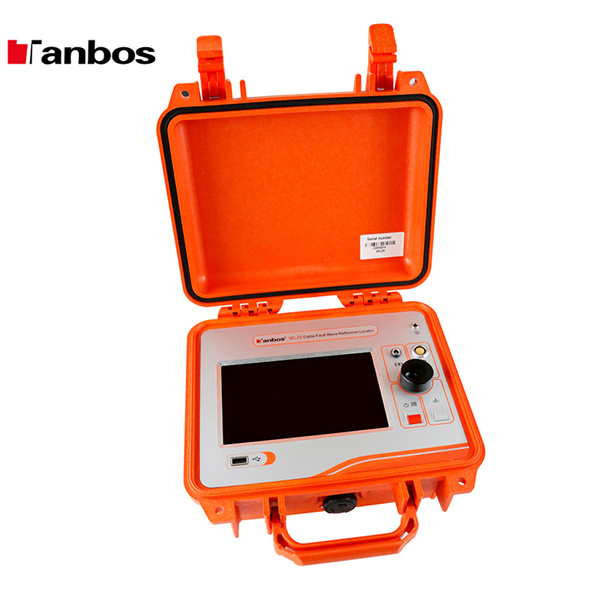
Discovering specialist advice on electrical cable fault finding is definitely more straightforward nowadays. One of the best places to begin is on the internet. There are some very helpful web sites providing information and tips on how to detect faults in electric cables. There might be articles, videos or even online coursework that teach you best practices when it comes to using tools and techniques for spotting issues. Tanbos also offers resources and training for those who are interested in digging deeper on this important issue. Local electrical trade schools or community colleges are another great resource. These schools often have classes in electrical systems and fault finding, as well as give you some hands-on training. In addition, going to industry expert-run workshops or seminars can be incredibly useful. You get to meet professionals that are willing to share their knowledge and expertise through these! You can ask questions and you can learn from real-life examples. You also need to network with others in the field. Look for local electrical associations or networking groups to put you into contact with other electricians that are willing to share the inside scoop. So if you are interested in learning how to find electrical cable faults and have access to these resources than you can learn just like anyone else!
With over 15 years of focused experience in cable detection and testing since 2007, we have built deep expertise in the R&D and manufacturing of intelligent early-warning and fault-diagnosis equipment for cables and overhead lines.
As an innovative technology enterprise, we integrate R&D, technical training, application support, and sales to provide a comprehensive, end-to-end solution for cable diagnostics.
We concentrate our efforts on developing cutting-edge cable diagnostic technologies, enabling precise early warning and reliable fault diagnosis for enhanced grid safety and efficiency.
Positioned as "Cable Diagnostic Experts at Your Side," we provide professional, trusted technology and support to clients, backed by strong industry credibility and a track record of innovation.
 AR
AR HR
HR CS
CS NL
NL FR
FR DE
DE EL
EL HI
HI IT
IT JA
JA KO
KO NO
NO PL
PL PT
PT RO
RO RU
RU ES
ES SV
SV TL
TL IW
IW ID
ID SR
SR SK
SK UK
UK VI
VI ET
ET HU
HU TH
TH TR
TR FA
FA MS
MS GA
GA HY
HY AZ
AZ UR
UR BN
BN LA
LA MN
MN KK
KK