A company of Xianheng international
 EN
A company of Xianheng international
EN
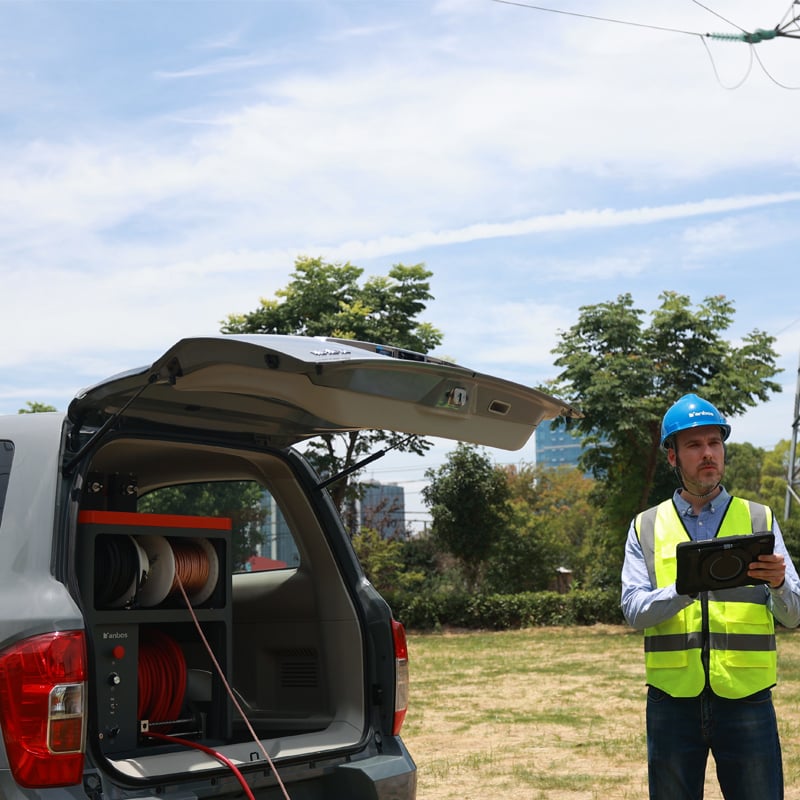
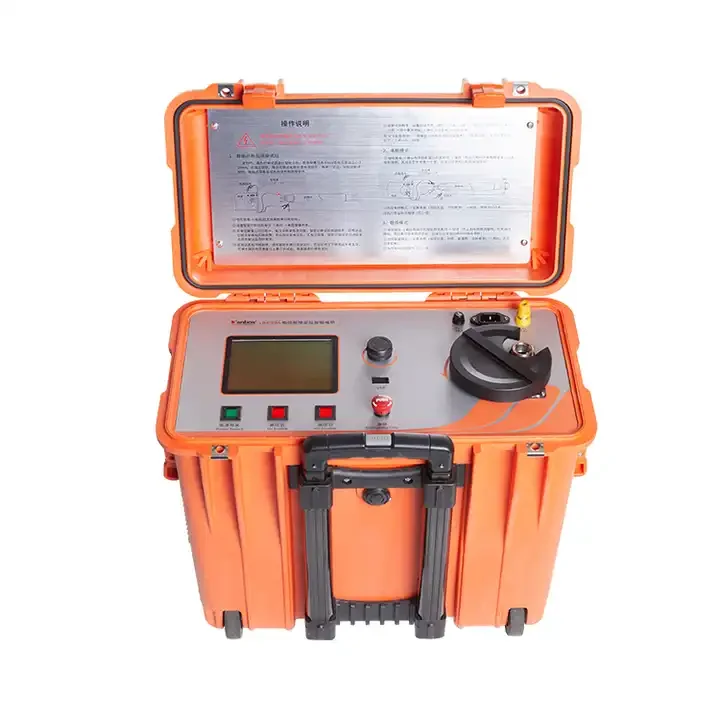
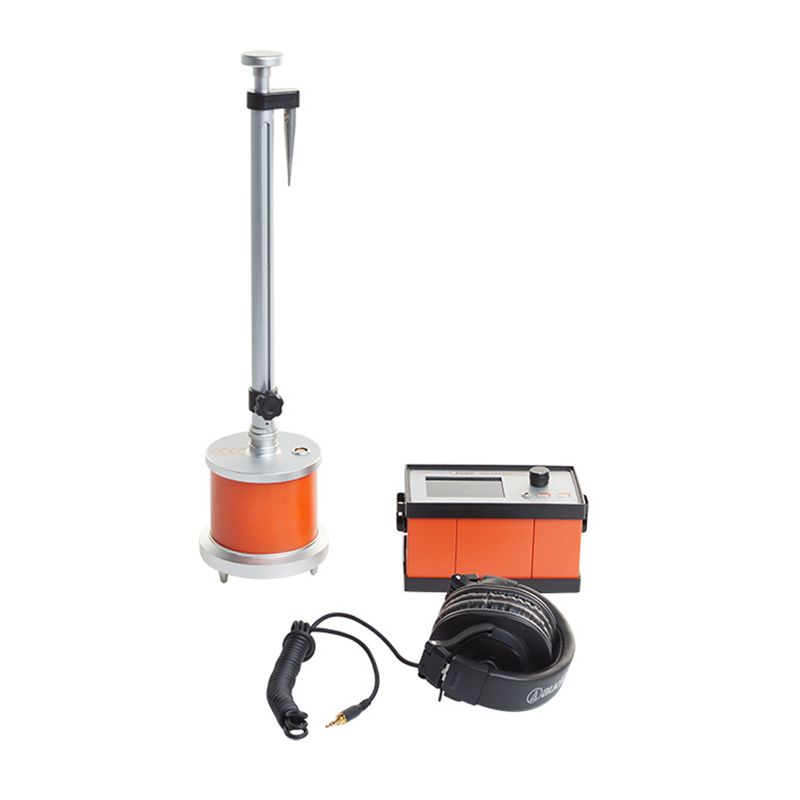
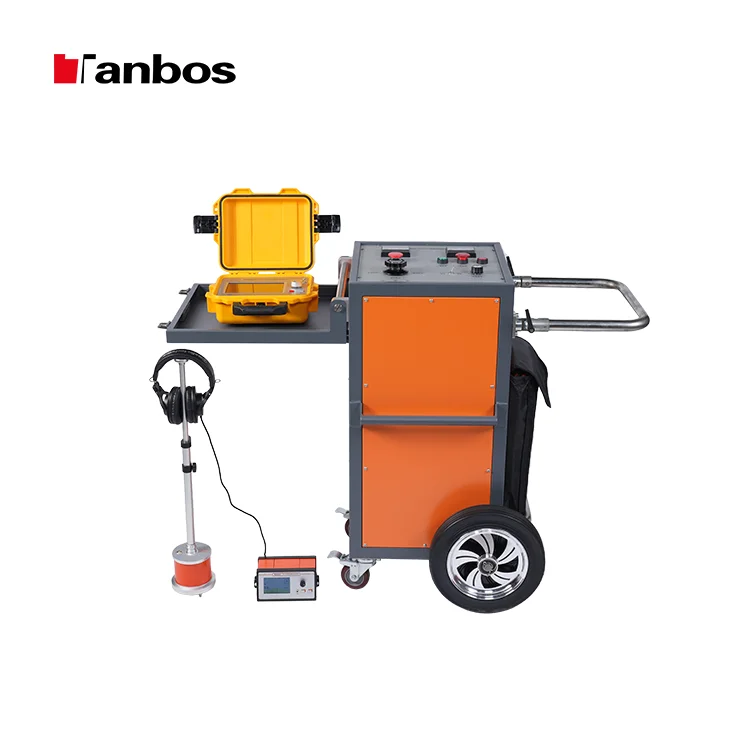
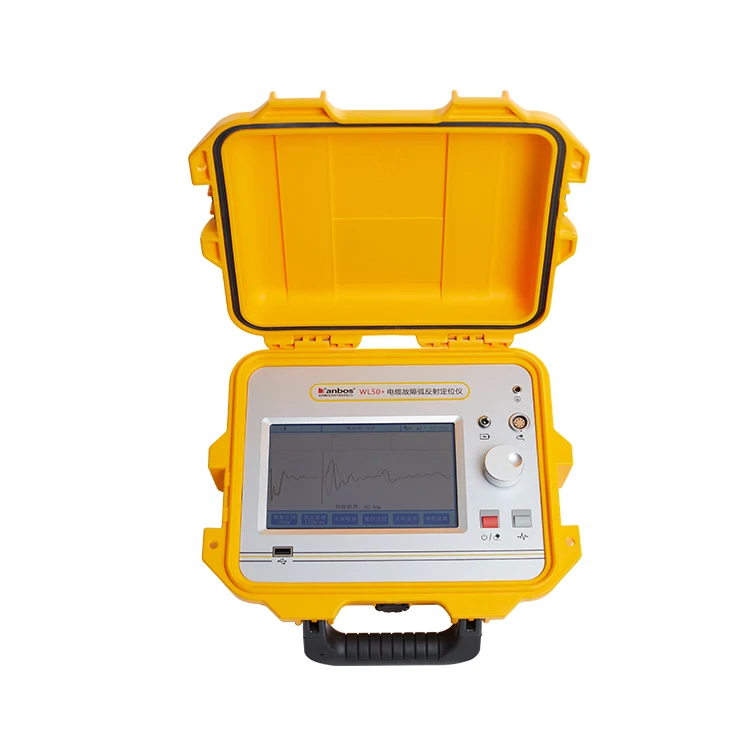
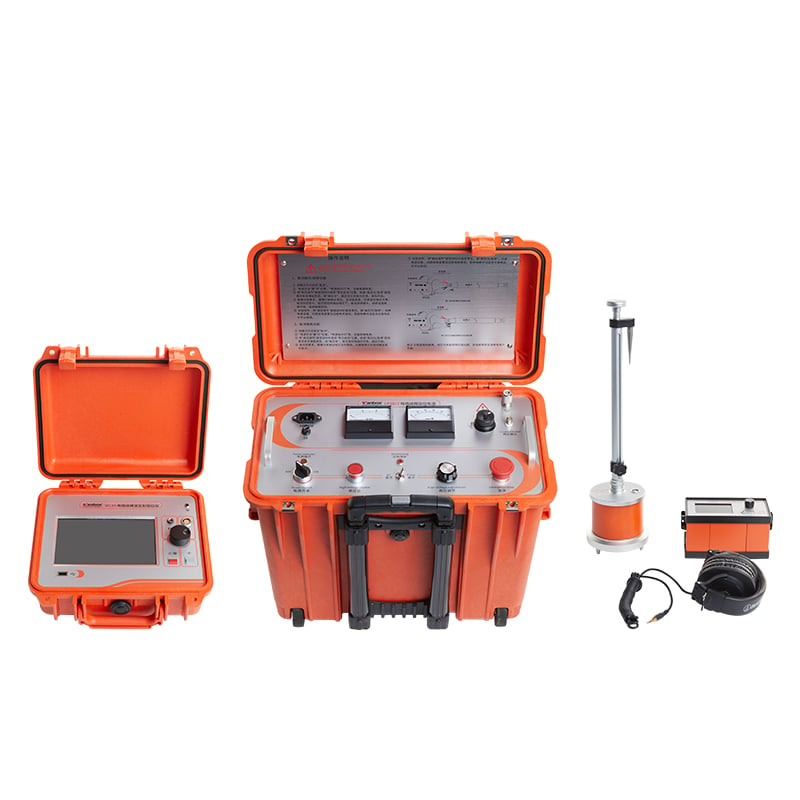
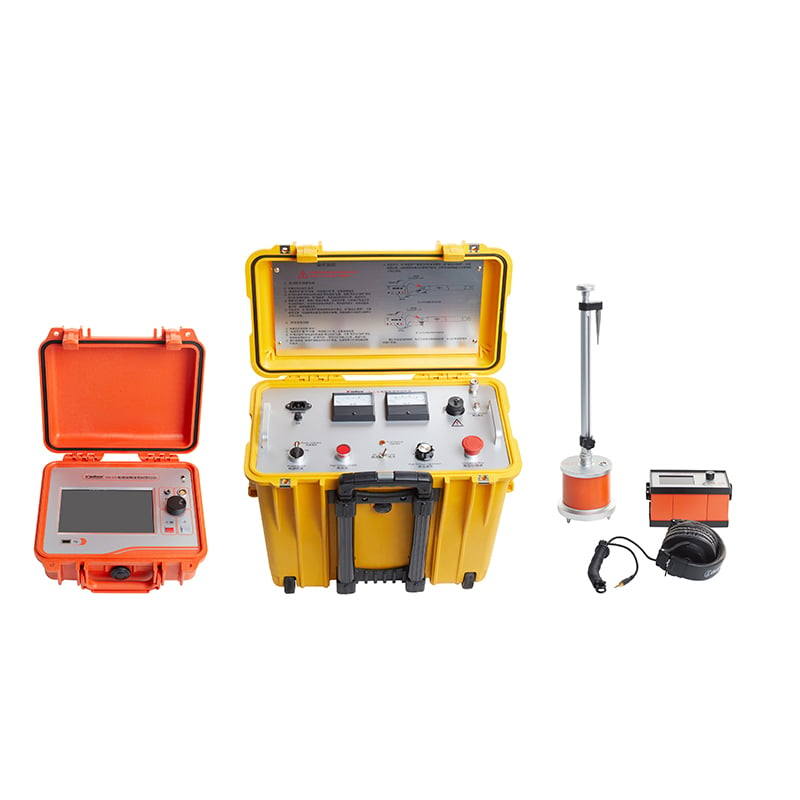
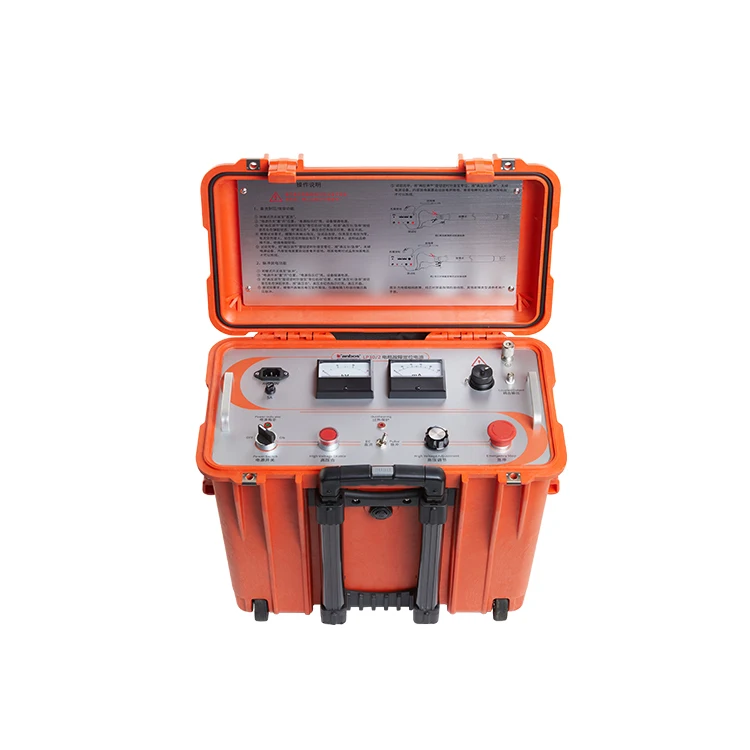
Portable cable fault location systems are critical tools used by industries to detect faults in electrical cables and overhead lines quickly and accurately. As a B2B buyer, whether you're a purchasing manager, distributor, or engineer, your main concerns will likely revolve around reliability, performance, and cost-effectiveness. This article will help you understand how to evaluate these systems, identify key specifications, consider cost factors, troubleshoot common issues, and explore their applications in various industries.
When comparing portable cable fault location systems, quality is paramount. Start by assessing the brand reputation and the manufacturer's experience in the industry. A company like Tanbos, which has specialized in the RD and manufacturing of intelligent cable fault diagnosis equipment since 2007, can provide a benchmark for reliability and expertise.
Look for systems that offer a combination of advanced technology and ease of use. Key aspects to evaluate include the system's detection capabilities, the clarity of its user interface, and the availability of technical support and training. A high-quality system should also have a robust build, as it will likely be used in various environments, from urban electrical grids to remote industrial sites.
Additionally, consider the warranty and service agreements provided by the manufacturer. A reliable system should come with a comprehensive warranty that covers parts and labor, ensuring that you are protected against potential defects or failures.
When evaluating cable fault location equipment, several specifications are crucial to ensure optimal performance:
Detection Range: This refers to the distance over which the system can accurately locate faults. A longer range is beneficial for extensive networks.
Accuracy: Look for systems that provide precise fault location measurements, often expressed in meters. Higher accuracy reduces the time and cost associated with repairs.
Signal Processing Technology: Advanced systems use digital signal processing to enhance fault detection capabilities. This technology can differentiate between various fault types, including short circuits and ground faults, which is essential for effective troubleshooting.
Battery Life: Since portability is a key feature, ensure that the system has a long-lasting battery, allowing for extended field use without interruptions.
Data Logging and Connectivity: Systems that offer data logging capabilities can store historical fault data, which is invaluable for analysis and reporting. Connectivity options such as Bluetooth or Wi-Fi can facilitate easier data sharing and remote diagnostics.
User Interface: A user-friendly interface can significantly reduce training time and improve operational efficiency. Look for systems with clear displays and intuitive navigation.
By focusing on these specifications, buyers can choose a portable cable fault location system that meets their specific needs and enhances their operational efficiency.
The cost of portable cable fault location systems can vary widely based on several factors. Understanding these factors can help you make a more informed purchasing decision:
Technology Level: More advanced systems with sophisticated detection and analysis capabilities typically come at a higher price. Evaluate whether the additional features justify the cost for your specific applications.
Brand and Manufacturer: Established brands with a track record of quality and support may charge premium prices. However, investing in a reputable brand can reduce long-term operational costs associated with maintenance and reliability.
Customization Needs: If you require specific features or adaptations, be prepared for additional costs. Custom solutions may involve higher upfront expenses but can offer better long-term value by aligning more closely with your operational requirements.
Accessories and Training: Often, the initial purchase price may not include necessary accessories such as cables or carrying cases, nor will it factor in training costs for your personnel. Ensure you account for these items in your budget.
Maintenance and Support: Consider the ongoing costs of maintenance and technical support. Some cable fault locator manufacturers offer service contracts, which can be beneficial for long-term ownership.
By taking these cost factors into account, you can better assess the value of different portable cable fault location systems relative to their price.
Despite their effectiveness, portable cable fault location systems can encounter common issues that users should be aware of:
Calibration Issues: Over time, systems may require recalibration to maintain accuracy. Regular checks and adherence to the manufacturer's calibration schedules can help mitigate this problem.
Battery Failure: If a unit runs out of battery during use, it can lead to downtime. Regularly check battery health and consider investing in backup batteries to ensure continuous operation.
Signal Interference: In certain environments, electromagnetic interference can affect the system's performance. Familiarize yourself with the equipment's limitations in high-interference areas and plan accordingly.
Software Glitches: Occasionally, software may malfunction or require updates. Ensure you have access to customer support for troubleshooting and that the system's firmware is regularly updated.
User Error: Proper training is essential to minimize operational mistakes. Providing thorough training for your team can reduce the likelihood of incorrect usage, which can compromise results.
By understanding these common problems and their solutions, buyers can take proactive measures to ensure the long-term reliability and effectiveness of their equipment.
Positioned as "Cable Diagnostic Experts at Your Side," we provide professional, trusted technology and support to clients, backed by strong industry credibility and a track record of innovation.
We concentrate our efforts on developing cutting-edge cable diagnostic technologies, enabling precise early warning and reliable fault diagnosis for enhanced grid safety and efficiency.
As an innovative technology enterprise, we integrate R&D, technical training, application support, and sales to provide a comprehensive, end-to-end solution for cable diagnostics.
With over 15 years of focused experience in cable detection and testing since 2007, we have built deep expertise in the R&D and manufacturing of intelligent early-warning and fault-diagnosis equipment for cables and overhead lines.
Portable cable fault location systems have a wide array of applications across various industries, including:
Utilities: Electric utility companies utilize these systems to quickly identify faults in overhead and underground power lines, helping to reduce outage times and improve service reliability.
Manufacturing: In industrial environments, maintaining electrical systems is crucial for operational efficiency. These systems help manufacturers locate faults in power supply cables, minimizing downtime.
Telecommunications: Telecom companies rely on these systems to ensure the integrity of their cabling networks. Fault location systems help to quickly identify issues that could disrupt service.
Construction: During new construction projects, these systems can verify the integrity of newly installed electrical systems, ensuring compliance with safety standards.
Transportation: In rail and roadway applications, ensuring the reliability of electrical systems is vital. These systems help maintain operational safety and efficiency.
By understanding the diverse applications of portable cable fault location systems, buyers can better appreciate their value and make informed decisions about their procurement.
In summary, portable cable fault location systems are essential tools for industries reliant on electrical infrastructure. By carefully comparing systems, evaluating specifications, considering costs, addressing common issues, and recognizing key applications, buyers will be better positioned to select the right solution for their specific needs.
 AR
 HR
 CS
 NL
 FR
 DE
 EL
 HI
 IT
 JA
 KO
 NO
 PL
 PT
 RO
 RU
 ES
 SV
 TL
 IW
 ID
 SR
 SK
 UK
 VI
 ET
 HU
 TH
 TR
 FA
 MS
 GA
 HY
 AZ
 UR
 BN
 LA
 MN
 KK