A company of Xianheng international
 EN
A company of Xianheng international
EN
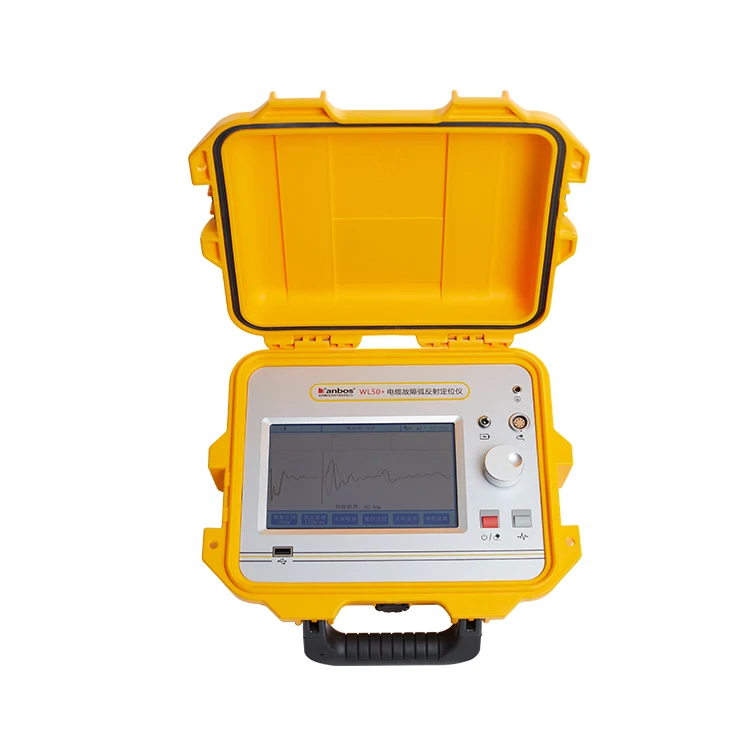
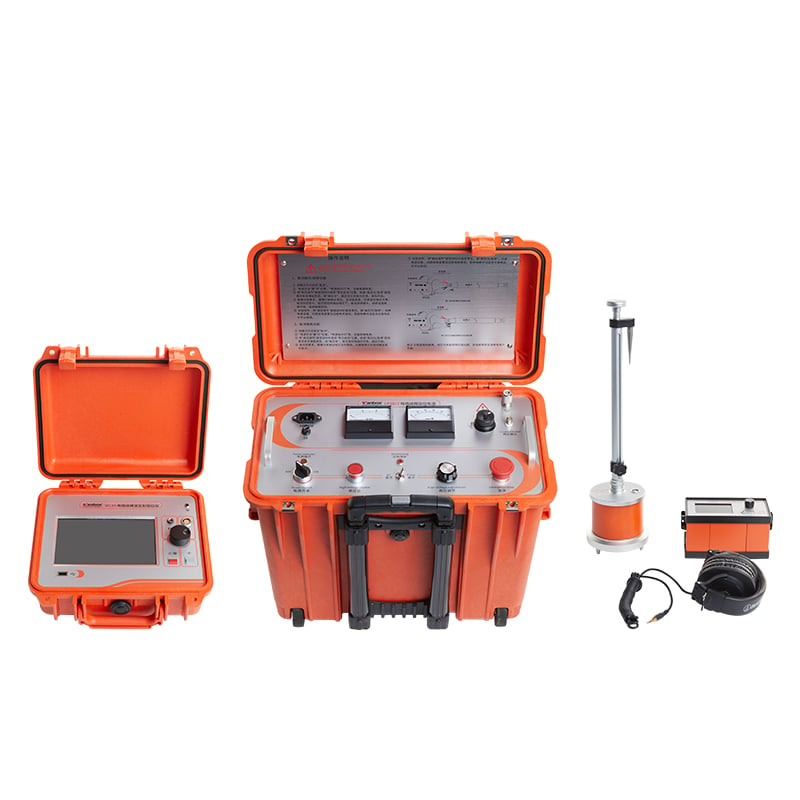
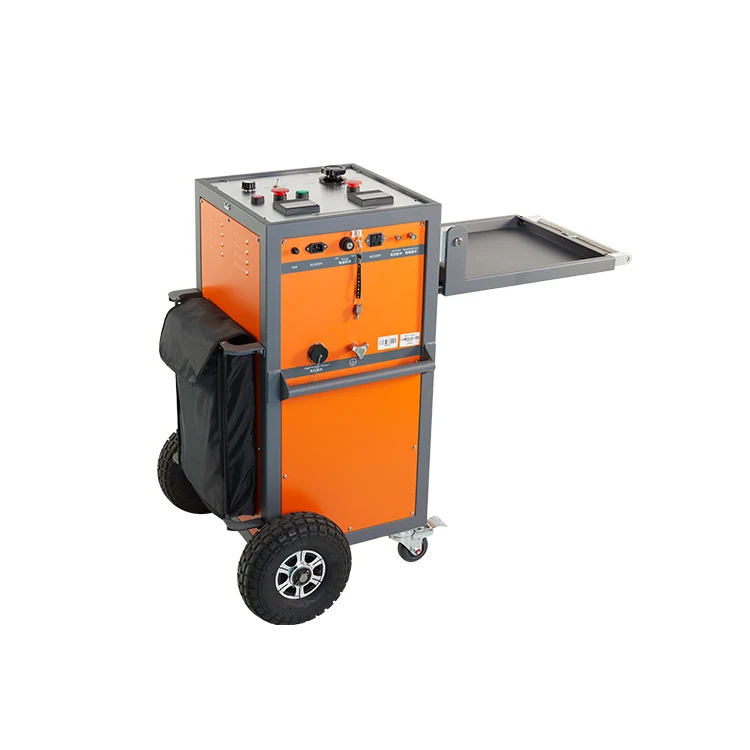
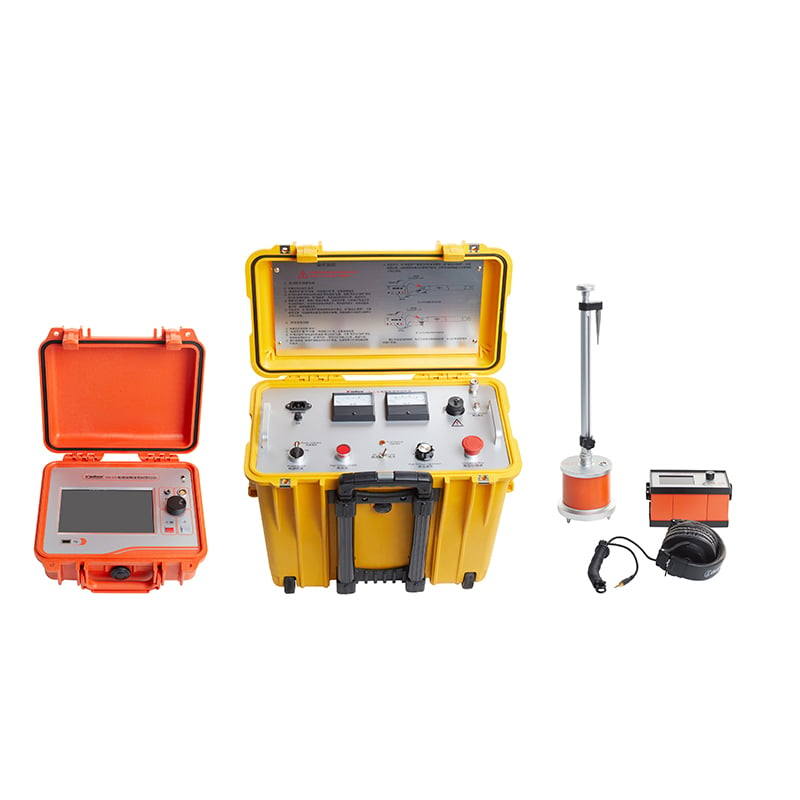
Underground cable fault detectors are essential tools for maintaining the safety and reliability of underground electrical infrastructure. Understanding the factors that influence underground cable fault detector prices is crucial for purchasing managers and engineers tasked with ensuring minimal downtime and optimal performance. This article will explore key considerations when comparing prices, how to choose the right cable fault detector, common issues, applications across various industries, and provide a buyer's guide to facilitate informed purchasing decisions.
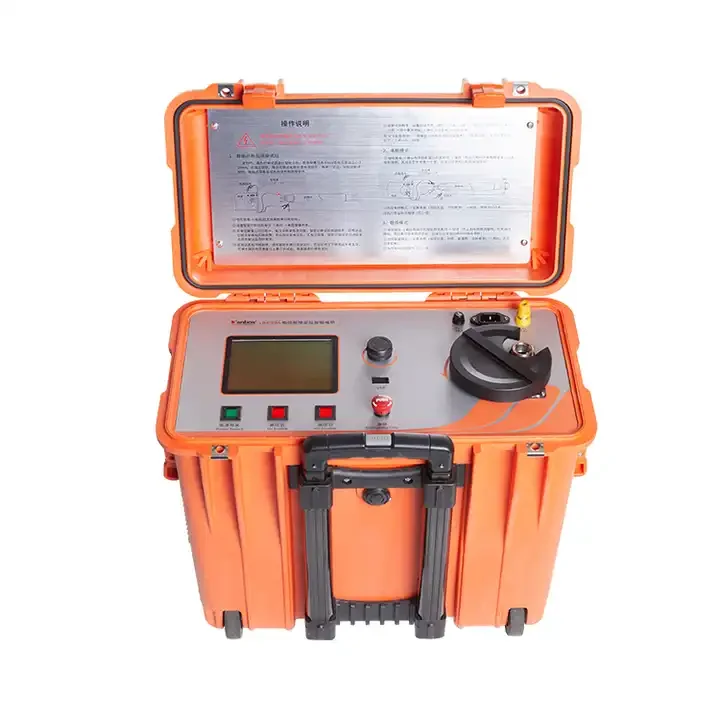
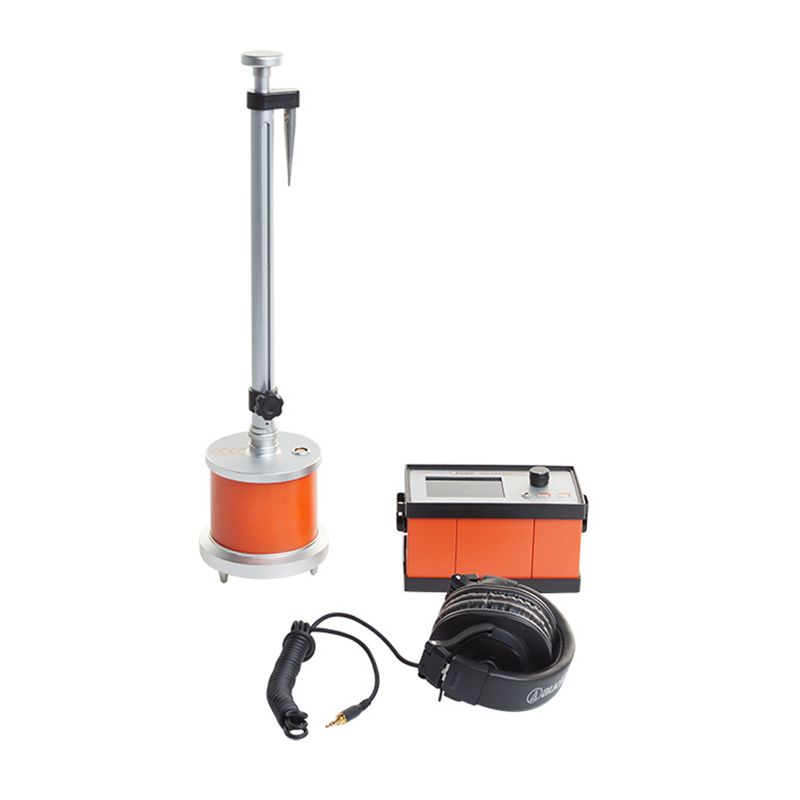
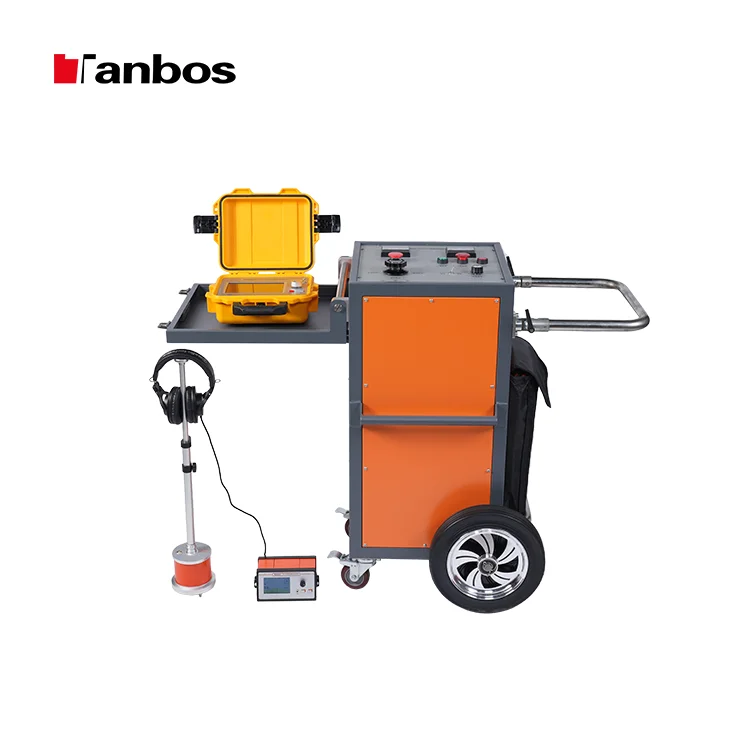
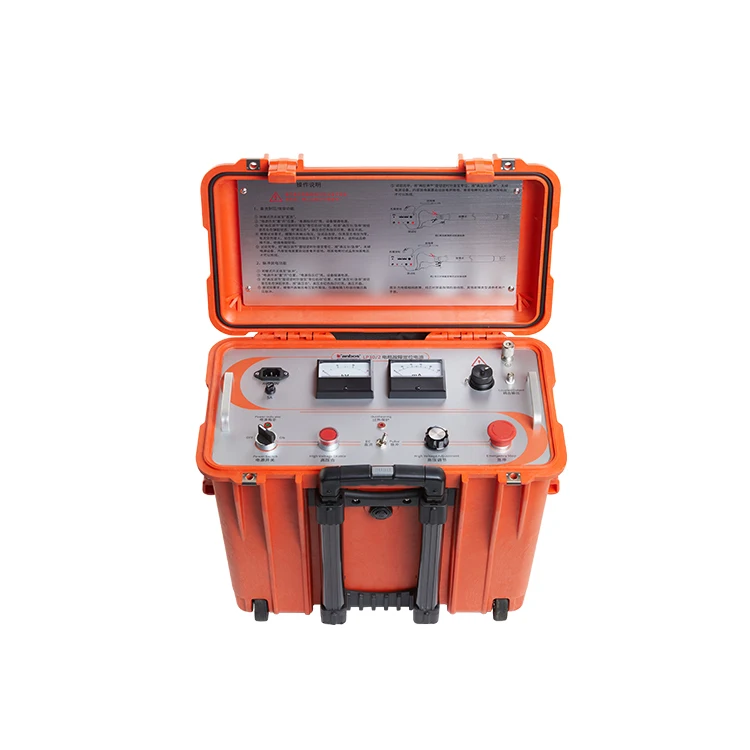
When evaluating Tanbos underground cable fault detector prices, buyers should focus on several critical factors. First, consider the technical specifications of the device, such as detection range, accuracy, and response time. Higher precision and advanced features typically come at a premium price but can significantly reduce fault identification time and improve operational efficiency.
Next, assess the manufacturing quality and reliability of the equipment. Look for electrical cable fault detector that undergo rigorous testing and quality control processes. Certifications from recognized industry standards can also indicate a reliable product.
Another important factor is customization capabilities. Some manufacturers offer tailored solutions that can better meet specific operational needs, but customization may influence pricing.
Finally, take into account the total cost of ownership, which includes not just the initial purchase price but also maintenance costs, potential repairs, and the expected lifespan of the equipment. A lower initial price may lead to higher long-term expenses if the product is less durable or requires frequent servicing.
Choosing the right underground cable fault detector involves understanding both your specific requirements and the capabilities of the products available. Start by identifying the operational environment, as different detectors may perform better under specific conditions, such as varying soil types or moisture levels.
Next, evaluate the type of faults that need to be detected. Some detectors specialize in locating short circuits, while others may excel in identifying insulation failures. Understanding the typical faults in your network will guide you toward the right technology.
Additionally, consider the ease of use and training requirements associated with the detector. Some devices may require specialized training to operate effectively, which could impact your decision if resources are limited.
Lastly, factor in the budget constraints and ensure that the selected model meets your operational needs without exceeding your financial limitations. Collaborating with a manufacturer like Tanbos, which specializes in intelligent fault diagnosis equipment, can provide valuable insights into selecting the most suitable model for your application.
While underground cable fault detectors are invaluable tools, they can encounter several common issues. One frequent problem is inaccurate readings, often caused by electromagnetic interference or improper calibration. To mitigate this, ensure that detectors are regularly calibrated according to manufacturer guidelines and are used in environments free from substantial interference.
Another issue is battery failure or inadequate power supply. Regular maintenance and timely battery replacements can help prevent unexpected failures during operation. Additionally, investing in models with robust power management systems can enhance reliability.
User training is also a common concern. Inadequate training can lead to improper usage, resulting in missed faults or misinterpretation of data. Engaging in comprehensive training programs provided by suppliers can enhance user proficiency and equipment effectiveness.
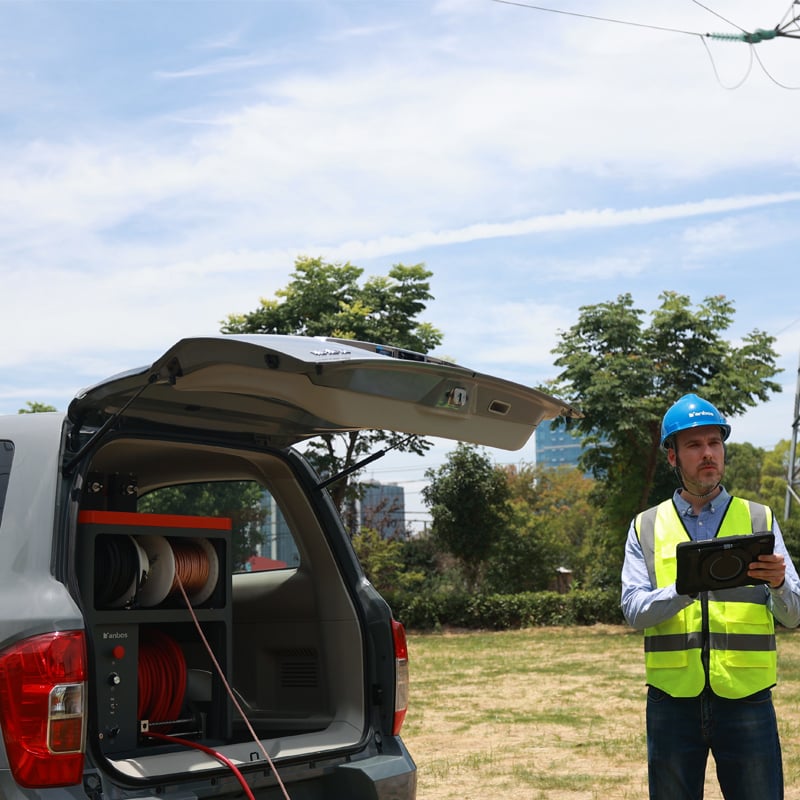
Underground cable fault detectors find applications across a wide range of industries. In the utility sector, they are crucial for maintaining the reliability of electrical distribution networks, allowing quick identification of faults to minimize power outages.
In the telecommunications industry, these electrical cable fault detector help ensure uninterrupted service by locating faults in underground communication lines, which is vital for maintaining customer satisfaction and service reliability.
The transportation sector also benefits from these devices. Underground cable fault detectors are used to monitor and maintain cabling systems in railways and subways, ensuring safe and efficient operations.
Furthermore, in the renewable energy sector, particularly with growing investments in underground energy transmission, these detectors play a critical role in ensuring the reliability of connections from solar farms and wind turbines to the grid.
We concentrate our efforts on developing cutting-edge cable diagnostic technologies, enabling precise early warning and reliable fault diagnosis for enhanced grid safety and efficiency.
As an innovative technology enterprise, we integrate R&D, technical training, application support, and sales to provide a comprehensive, end-to-end solution for cable diagnostics.
Positioned as "Cable Diagnostic Experts at Your Side," we provide professional, trusted technology and support to clients, backed by strong industry credibility and a track record of innovation.
With over 15 years of focused experience in cable detection and testing since 2007, we have built deep expertise in the R&D and manufacturing of intelligent early-warning and fault-diagnosis equipment for cables and overhead lines.
When preparing to purchase an underground cable fault detector, it’s essential to gather comprehensive information to facilitate a smooth procurement process. Here are key points to consider:
Specifications: Confirm the required specifications such as detection range, accuracy, and environmental tolerance.
Quantity: Determine the number of units needed, as bulk purchases may offer cost advantages.
Application: Clearly define the intended application and operational environment to ensure compatibility.
Customization: Identify any specific customization requirements that may enhance the product's effectiveness in your operation.
Budget and Pricing: Establish a budget that includes not just the purchase price but also maintenance and operational costs.
Supplier Evaluation: Research potential suppliers, focusing on their industry experience, customer service, and product support. A reliable manufacturer like Tanbos, with a history of providing high-quality detection solutions since 2007, can offer valuable insights and support throughout the purchasing process.
Technical Support and Training: Inquire about the availability of training and ongoing technical support to maximize the utility of the equipment.
By following this guide, buyers can make informed decisions on underground cable fault detectors that align with their specific needs and budget constraints, ensuring reliable performance and operational efficiency.
 AR
 HR
 CS
 NL
 FR
 DE
 EL
 HI
 IT
 JA
 KO
 NO
 PL
 PT
 RO
 RU
 ES
 SV
 TL
 IW
 ID
 SR
 SK
 UK
 VI
 ET
 HU
 TH
 TR
 FA
 MS
 GA
 HY
 AZ
 UR
 BN
 LA
 MN
 KK