A company of Xianheng international
 EN
A company of Xianheng international
EN
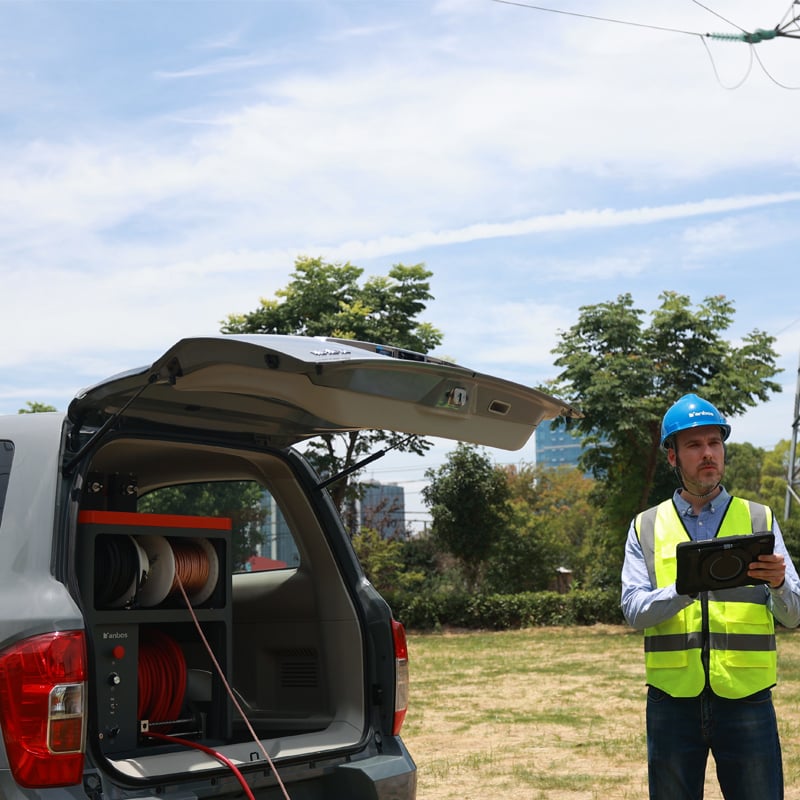
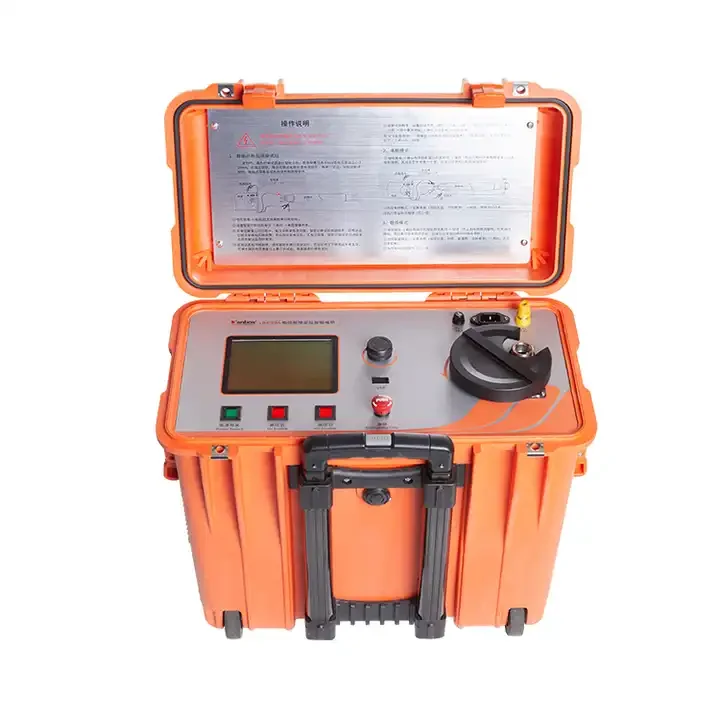
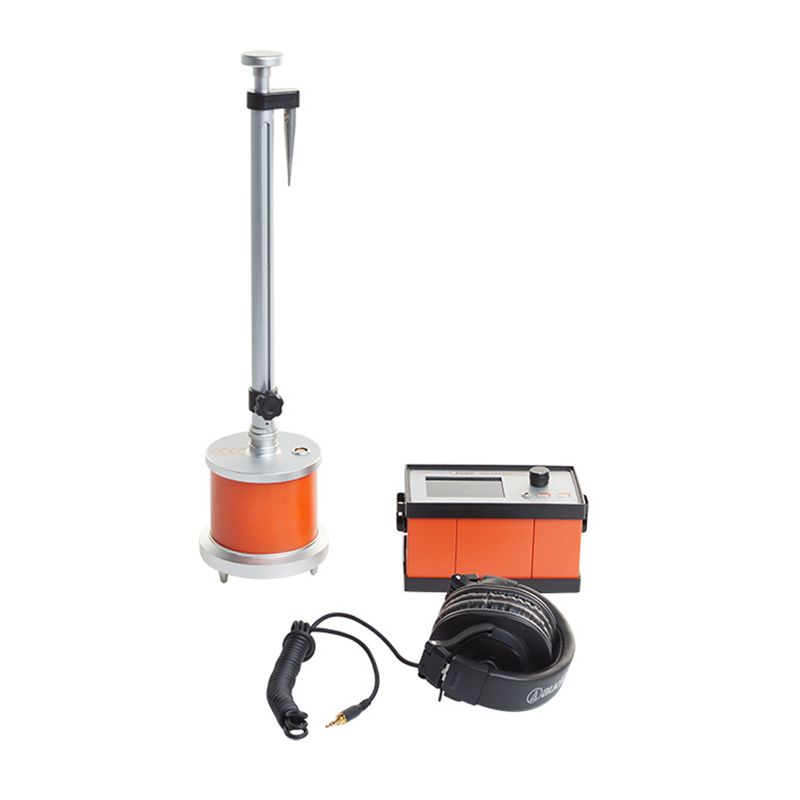
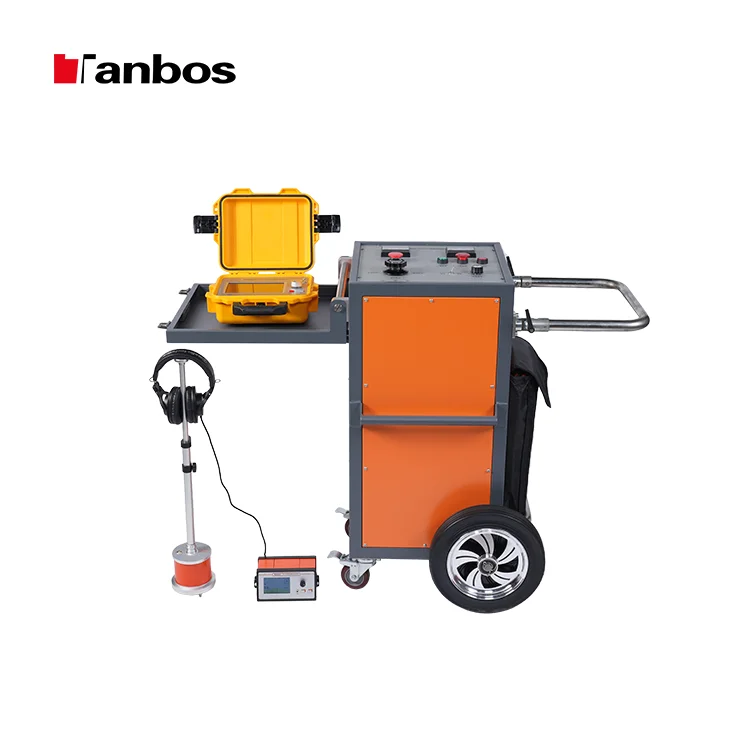
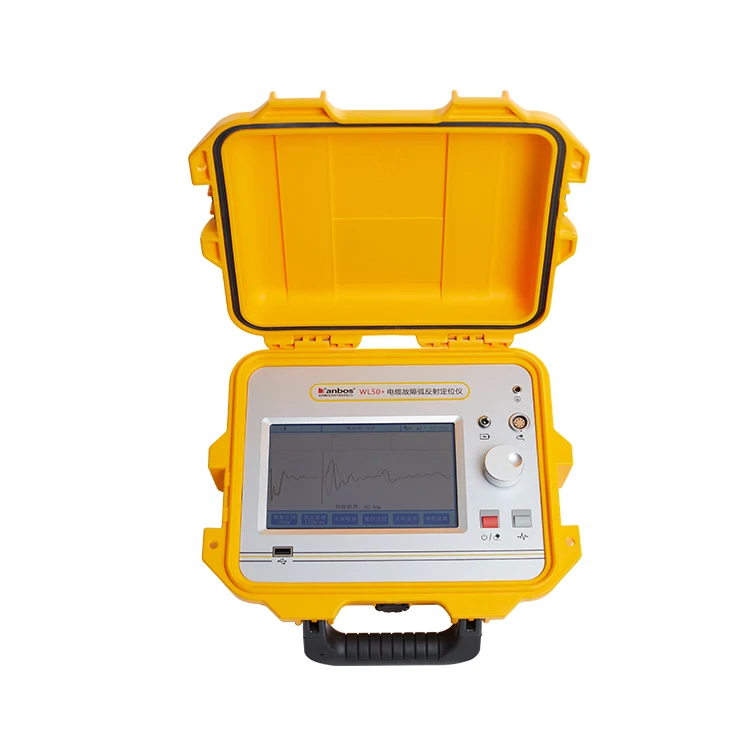
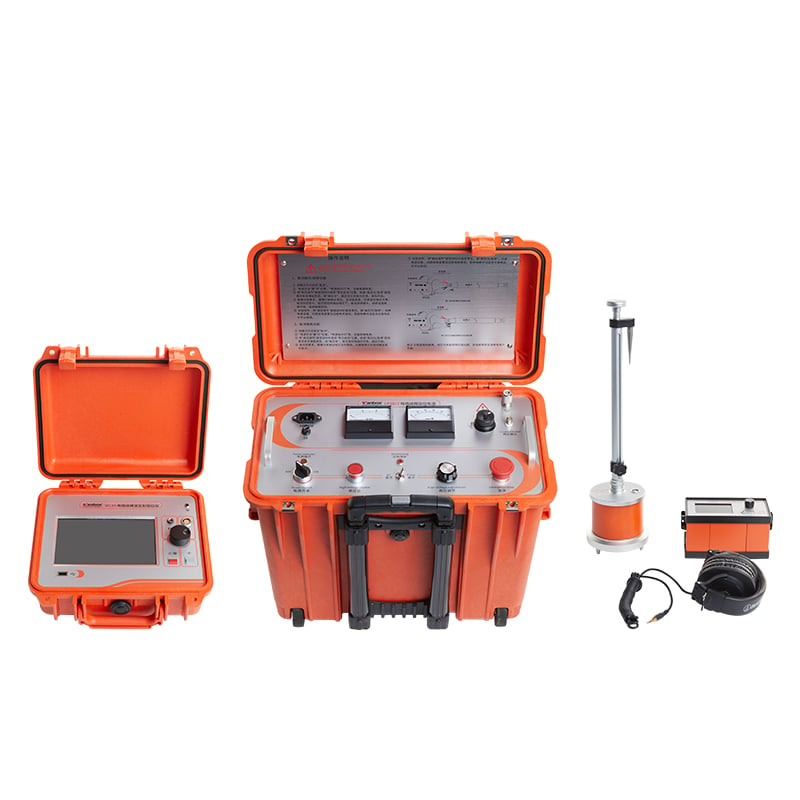
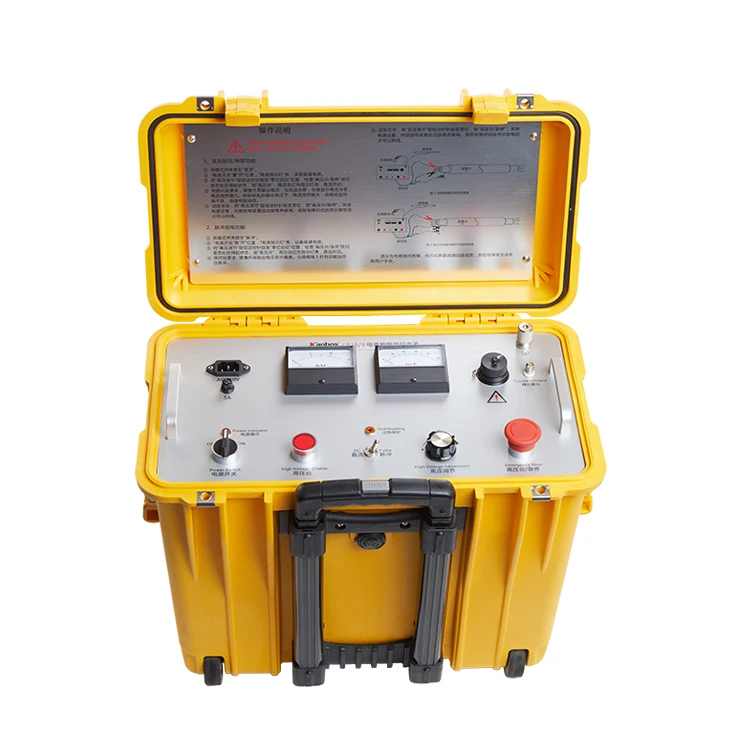
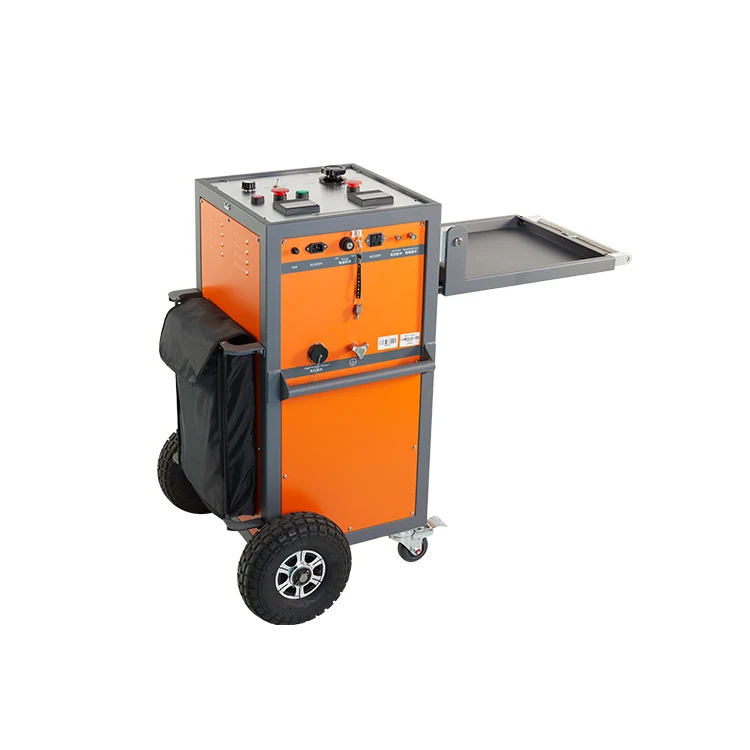
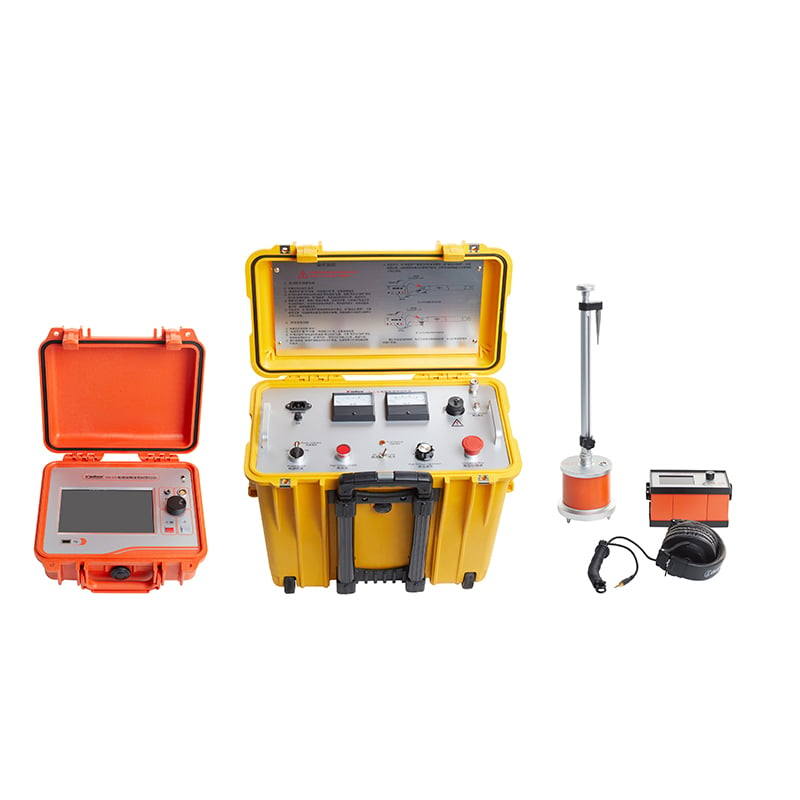
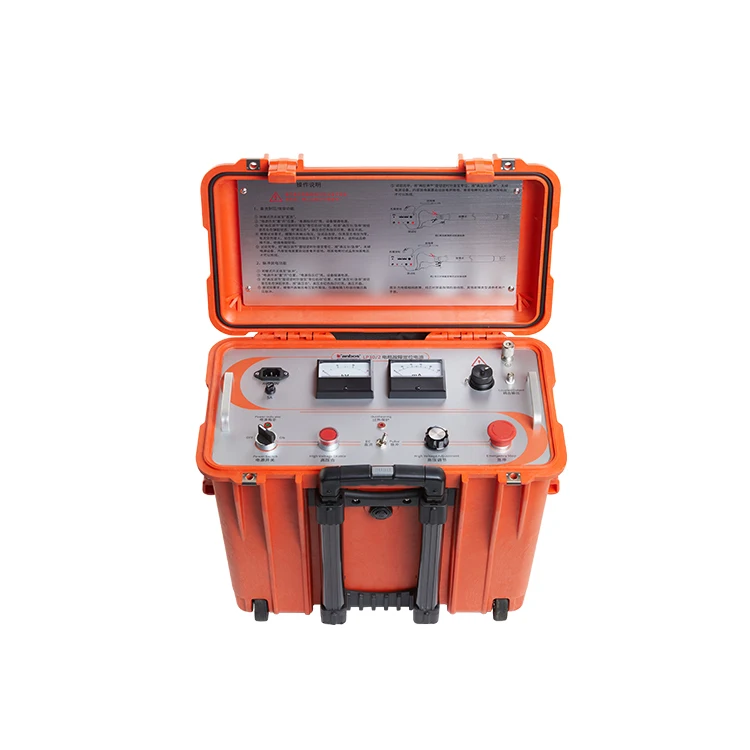
A cable fault locator van is an essential tool for the efficient detection and diagnosis of faults in underground cables and overhead lines. For purchasing managers, engineers, and other B2B buyers, understanding the key specifications, features, and potential challenges associated with these vans is crucial for making informed decisions. This article will delve into what to look for in a cable fault locator van, where to find reliable suppliers, the benefits of these vans, common problems and solutions, and their applications across various industries.
When evaluating a cable fault locator van, specific key specifications should be considered to ensure it meets operational needs. These include:
Detection Range: The ability to detect faults over varying distances is vital. Consider whether the van can handle both short and long-range detection based on your infrastructure.
Signal Type: Look for vans that utilize multiple signal types (such as acoustic, electromagnetic, and time-domain reflectometry) to enhance fault detection capabilities.
Power Supply: Assess the power requirements, including battery life and charging options. A reliable power supply ensures uninterrupted operations, especially in remote locations.
Software Integration: Advanced cable test van often come with software that analyzes data and generates reports. Ensure compatibility with your existing systems for seamless integration.
Durability: Given the demanding environments in which these vans operate, durability is essential. Check for rugged designs that can withstand harsh weather conditions and rough terrain.
Understanding these specifications will help buyers choose a van that aligns with their operational requirements and enhances their cable maintenance processes.
Finding reliable suppliers for cable fault locator vans involves thorough research and consideration of several factors:
Industry Reputation: Look for manufacturers with a proven track record in the cable diagnostics field. Established companies like Tanbos, specializing in intelligent fault diagnosis equipment since 2007, often have a history of reliability and product quality.
Customer Reviews and Case Studies: Seek feedback from existing customers to gauge satisfaction levels. Case studies can provide insights into how the product performs in real-world applications.
Certifications and Compliance: Verify that suppliers meet industry standards and possess relevant certifications. This ensures that the products adhere to safety and quality regulations.
Customization Options: Assess whether the supplier offers customization to meet specific operational needs, as this can significantly enhance the utility of the vans.
After-Sales Support: Reliable suppliers should provide comprehensive after-sales support, including training and maintenance services, to ensure smooth operation and longevity of the equipment.
By focusing on these criteria, buyers can identify trustworthy suppliers who provide high-quality cable fault locator vans.
Cable fault locator vans come equipped with various features that contribute to their effectiveness:
Real-Time Data Analysis: Many vans are equipped with advanced sensors and software that allow for real-time data collection and analysis. This feature enables faster fault detection and minimizes downtime.
User-Friendly Interface: A well-designed interface simplifies operation, allowing technicians to navigate functions easily and focus on diagnostics rather than technical complexities.
Mobility and Accessibility: The design of these vans often prioritizes mobility, allowing technicians to access hard-to-reach areas without the need for extensive setup.
Cost-Effectiveness: By significantly reducing the time required for fault detection and repair, these vans can lead to substantial cost savings over time, making them a valuable investment for companies.
Understanding these features helps buyers appreciate the overall value of cable fault locator vans and how they can enhance operational efficiency.
While cable fault locator vans are designed for efficiency, users may encounter several common issues:
Calibration Errors: Improper calibration can lead to inaccurate fault readings. Regular calibration checks and adherence to manufacturer guidelines can mitigate this issue.
Signal Interference: Environmental factors may cause signal interference, affecting detection accuracy. Utilizing vans with multiple signal detection capabilities can help overcome this problem.
Software Glitches: Like any technology, the software may experience occasional glitches. Regular updates and maintenance checks are essential to ensure optimal performance.
Maintenance Challenges: Routine maintenance is critical to prolonging the life of the van. Establishing a regular maintenance schedule and working with suppliers who provide support can address this issue effectively.
By being aware of these potential problems, buyers can implement strategies to minimize operational disruptions and maintain equipment performance.
As an innovative technology enterprise, we integrate R&D, technical training, application support, and sales to provide a comprehensive, end-to-end solution for cable diagnostics.
With over 15 years of focused experience in cable detection and testing since 2007, we have built deep expertise in the R&D and manufacturing of intelligent early-warning and fault-diagnosis equipment for cables and overhead lines.
Positioned as "Cable Diagnostic Experts at Your Side," we provide professional, trusted technology and support to clients, backed by strong industry credibility and a track record of innovation.
We concentrate our efforts on developing cutting-edge cable diagnostic technologies, enabling precise early warning and reliable fault diagnosis for enhanced grid safety and efficiency.
Cable fault locator vans are versatile tools applicable across various industries:
Utility Companies: Electric and telecommunications utilities use these vans to maintain and repair overhead and underground lines, ensuring uninterrupted service.
Construction: In construction projects, these vans are invaluable for locating existing cabling infrastructure before excavation, preventing damage and costly delays.
Transportation: Rail and road maintenance teams employ electrical cable fault locator to ensure that signaling and communication systems remain operational and safe.
Mining: In the mining sector, these vans help identify and address electrical faults in remote locations, contributing to operational safety and efficiency.
Understanding these applications allows potential buyers to identify the best use cases for cable fault locator vans within their specific industry context.
 AR
 HR
 CS
 NL
 FR
 DE
 EL
 HI
 IT
 JA
 KO
 NO
 PL
 PT
 RO
 RU
 ES
 SV
 TL
 IW
 ID
 SR
 SK
 UK
 VI
 ET
 HU
 TH
 TR
 FA
 MS
 GA
 HY
 AZ
 UR
 BN
 LA
 MN
 KK