A company of Xianheng international
 EN
A company of Xianheng international
EN
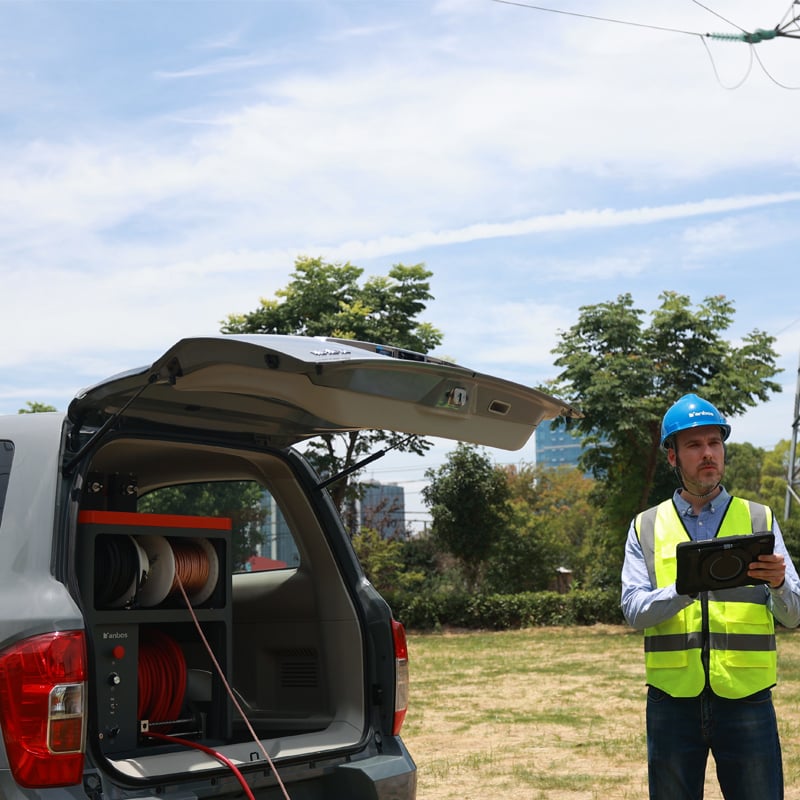
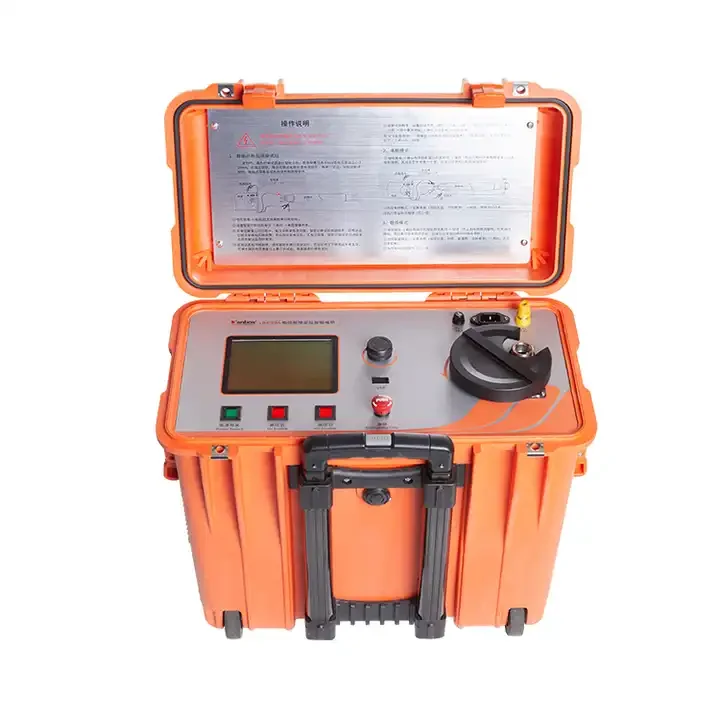
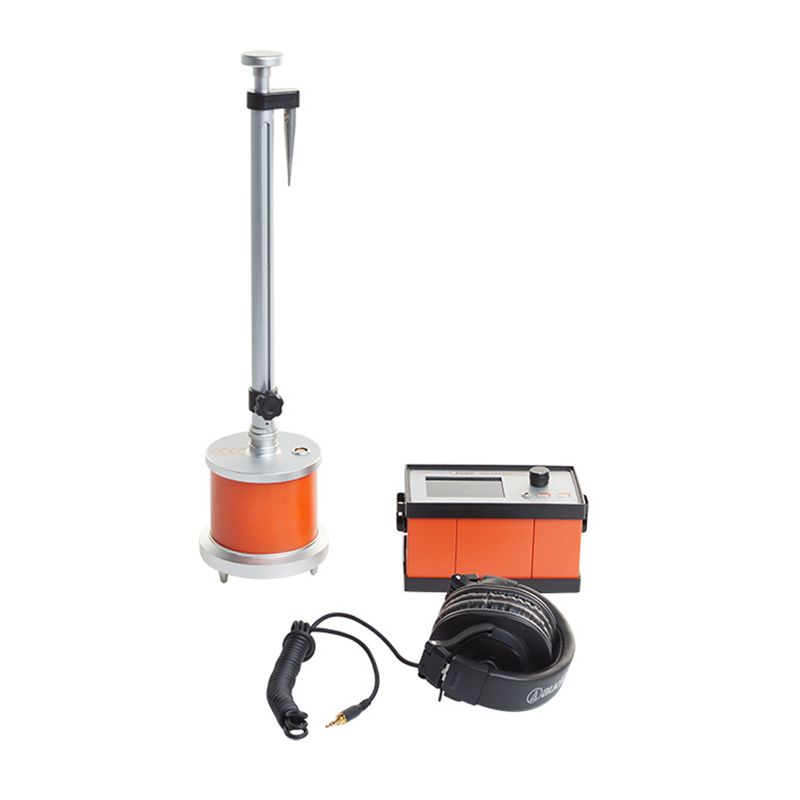
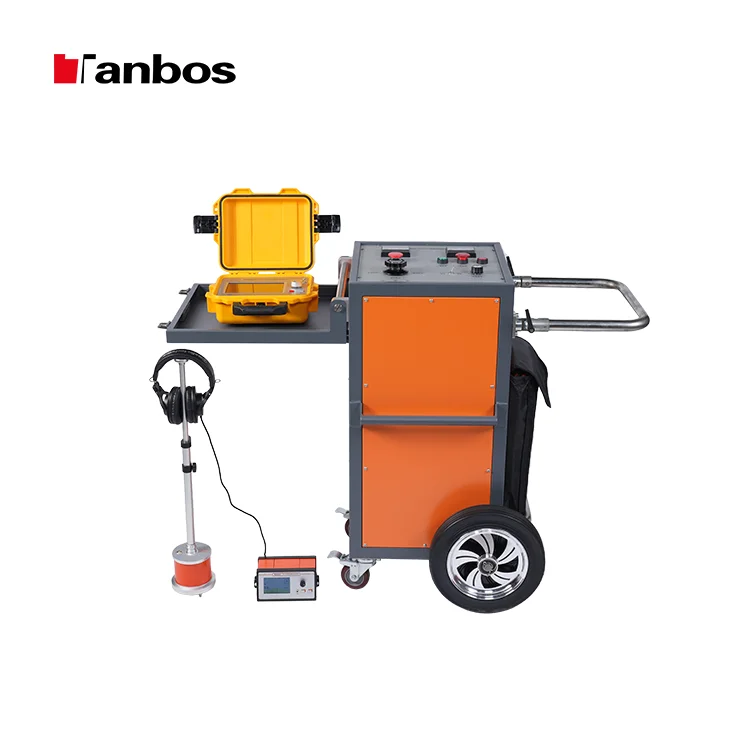
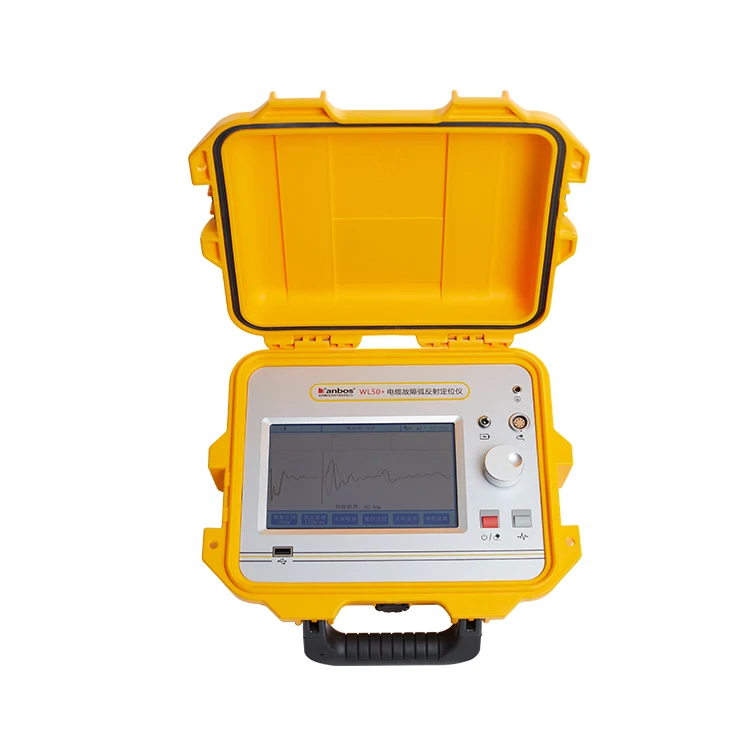
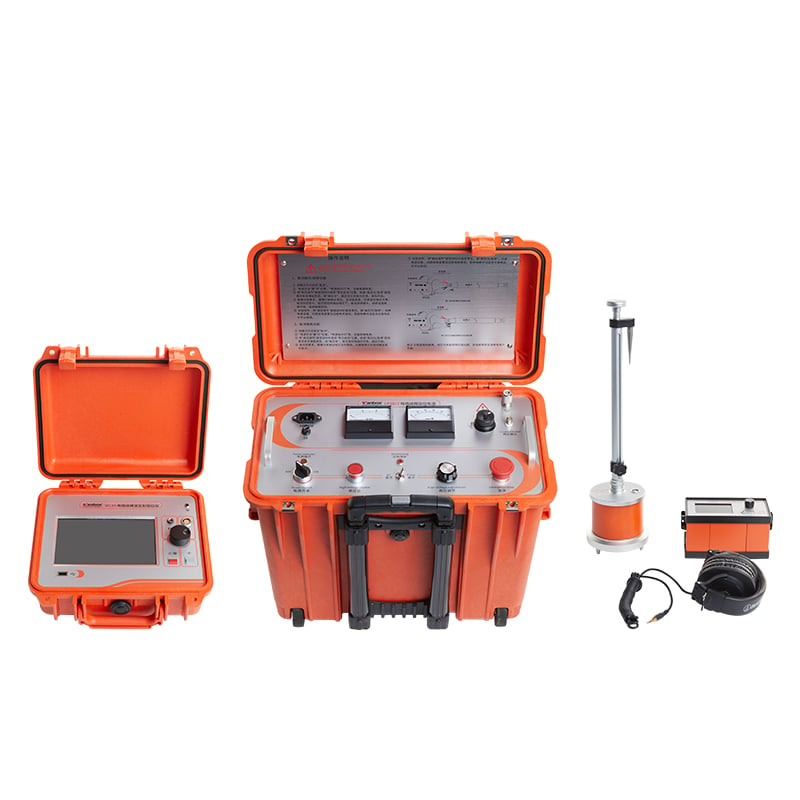
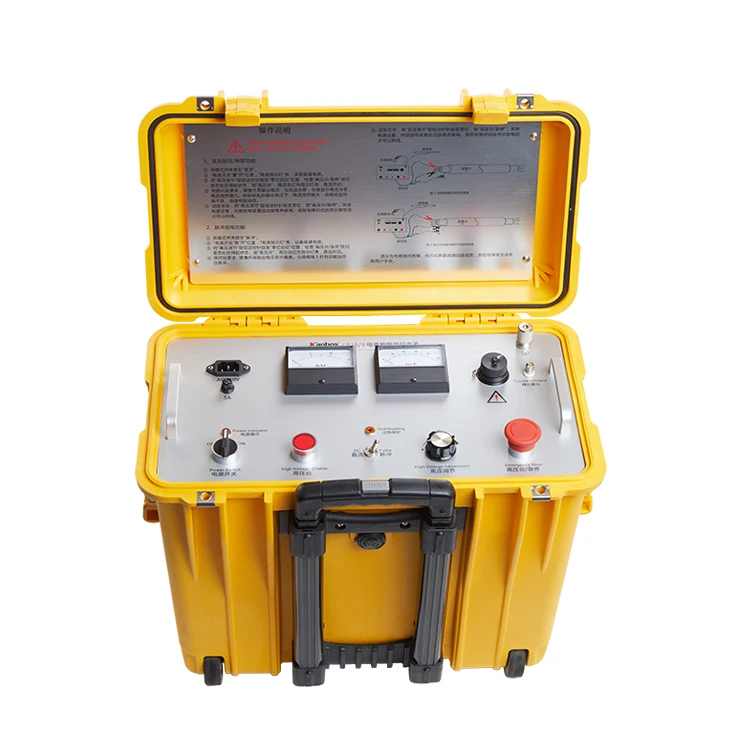
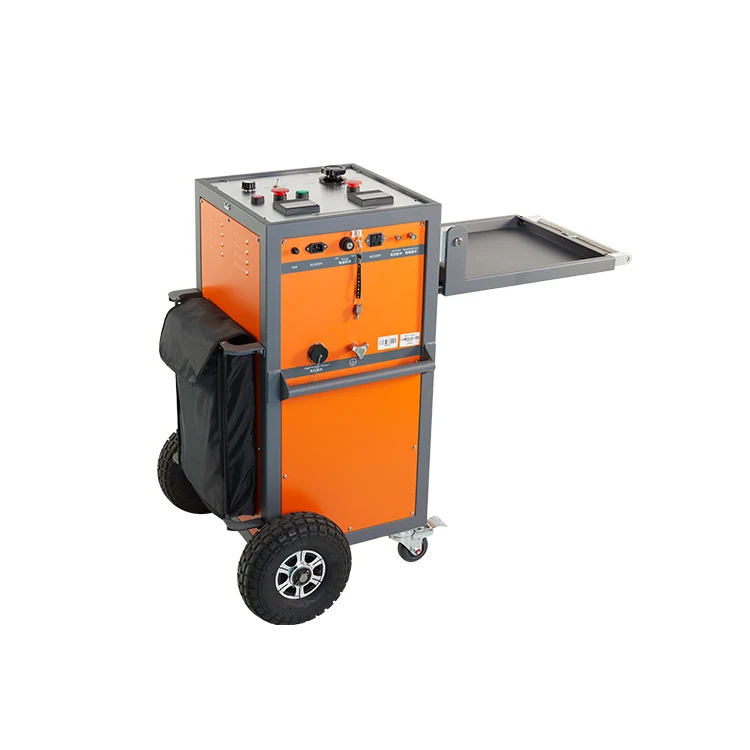
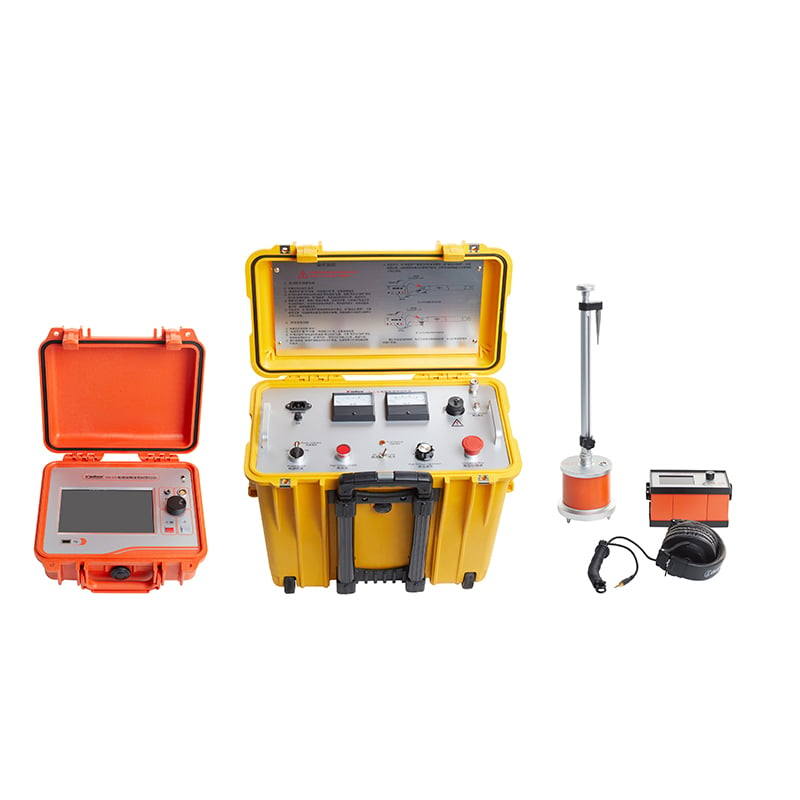
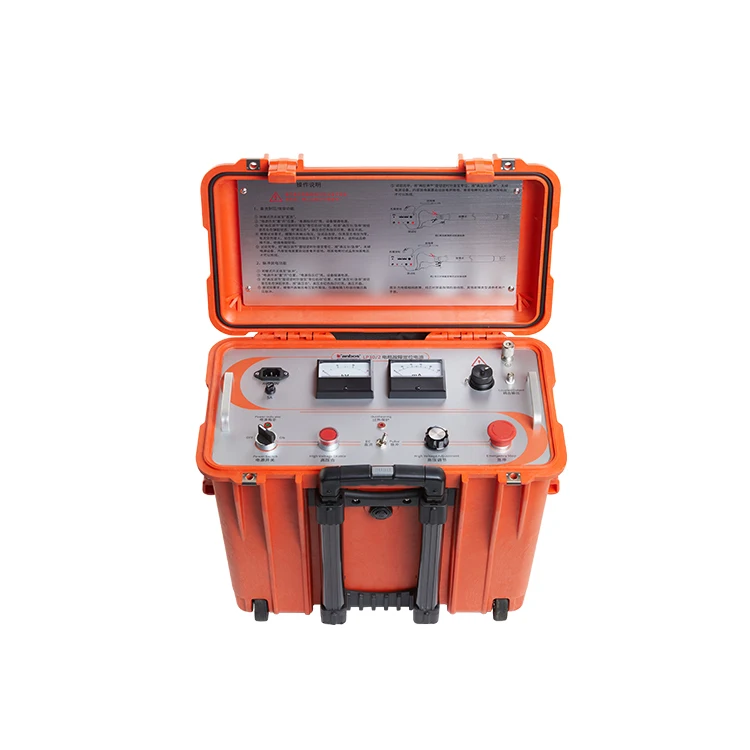
Underground cable fault distance locators are essential tools for identifying the exact location of faults in underground cables, ensuring efficient maintenance and minimizing downtime. For purchasing managers and engineers, selecting the right locator involves understanding technical specifications, required features, and potential sourcing challenges. This article provides insights into choosing the right underground cable fault distance locator, explains key specifications and features, identifies reliable suppliers, and addresses common field problems.
When selecting an underground cable fault distance locator, consider the specific application and environment where the tool will be utilized. Key factors to evaluate include the type of cables being tested (e. g., power, fiber optic), the fault detection range, and the technology used (e. g., time domain reflectometry or other advanced methods). Buyers should also determine the required sensitivity and accuracy for their particular operations, as these specifications can significantly influence performance.
Additionally, assess the compatibility of the locator with existing systems and operational requirements. For instance, some locators may integrate with other diagnostic tools or software, providing enhanced data analysis capabilities. Understanding these needs upfront will streamline the selection process and ensure the chosen device meets operational expectations.
The specifications of underground cable fault distance locators are critical in determining their suitability for specific tasks. Key specifications include:
Detection Range: This indicates the maximum distance the locator can effectively identify faults. Buyers should match this with the typical lengths of cables they work with to ensure adequate coverage.
Resolution: A higher resolution allows for more precise fault location, which is vital in minimizing excavation or repair costs.
Accuracy: Look for locators that provide detailed accuracy ratings. This helps in determining how closely the detected fault location aligns with the actual fault.
Frequency Range: Different cables may require different frequency bands for effective fault detection. Ensure the locator supports the frequencies relevant to your applications.
Buyers should confirm these specifications against their operational needs and the types of cables they typically handle, as mismatched specifications can lead to inefficiencies in fault detection and resolution.
Modern underground cable fault locator come equipped with varied features that enhance their functionality. When evaluating potential locators, consider the following:
User Interface: A clear, intuitive interface is crucial for quick operation, especially in emergency situations. Touchscreen capabilities and easy navigation can facilitate faster fault identification.
Data Logging: This feature allows users to record and analyze fault data over time. It is beneficial for trend analysis and preventive maintenance strategies.
Battery Life: Long-lasting battery performance ensures that the locator remains operational in the field without frequent recharging, which is vital for remote or lengthy projects.
Durability: Since these tools are often used in tough environments, assess the build quality and resistance to environmental factors like moisture and dust. A rugged design can prevent malfunctions and extend equipment life.
Custom Calibration: Some locators offer the ability for customization and calibration according to specific operational needs, which can enhance accuracy and efficiency.
Choosing a locator with the right combination of features can significantly improve fault detection processes and overall operational efficiency.
Sourcing reliable suppliers for underground cable fault distance locators is crucial for ensuring quality and support. Start by researching manufacturers with a proven track record in the cable diagnostics industry. Look for suppliers that offer comprehensive solutions, including technical support, training, and after-sales service, as these elements can enhance the overall value of the purchase.
Industry exhibitions, trade shows, and online marketplaces are excellent venues for finding potential suppliers. Attend relevant events to gain firsthand experience with products and speak directly with company representatives. Additionally, online reviews and case studies can provide insights into the performance and reliability of specific locators.
When evaluating suppliers, consider requesting product demonstrations or trial periods to assess performance in real-world conditions. This hands-on experience can inform your purchasing decision and help avoid common pitfalls associated with misaligned equipment expectations.
With over 15 years of focused experience in cable detection and testing since 2007, we have built deep expertise in the R&D and manufacturing of intelligent early-warning and fault-diagnosis equipment for cables and overhead lines.
As an innovative technology enterprise, we integrate R&D, technical training, application support, and sales to provide a comprehensive, end-to-end solution for cable diagnostics.
Positioned as "Cable Diagnostic Experts at Your Side," we provide professional, trusted technology and support to clients, backed by strong industry credibility and a track record of innovation.
We concentrate our efforts on developing cutting-edge cable diagnostic technologies, enabling precise early warning and reliable fault diagnosis for enhanced grid safety and efficiency.
Despite their advanced technology, underground cable fault distance locators can encounter challenges in the field. Common issues include:
Interference: Electrical interference from nearby equipment can affect the accuracy of fault detection. Use locators designed to minimize such disruptions, or consider operating in off-peak hours when interference is likely lower.
Calibration Issues: Ensuring that the locator is properly calibrated is vital. Regular checks and maintenance can prevent inaccuracies that lead to misdiagnosis of faults.
Environmental Conditions: Extreme weather conditions can impact performance. For example, heavy rain can affect electrical readings. Understanding the limitations of the equipment in various environments is essential, and adapting usage strategies accordingly can mitigate these issues.
Training Deficiencies: Insufficient operator training can lead to improper use of the equipment. Investing in thorough training programs for users can significantly enhance the effectiveness and efficiency of fault location efforts.
By being aware of these potential problems and proactively addressing them, buyers can ensure smoother operations and more effective use of underground cable fault locator equipment.
Selecting the right underground cable fault distance locator involves careful consideration of specifications, features, supplier reliability, and potential field challenges. By understanding these aspects, purchasing managers and engineers can make informed decisions that enhance operational efficiency and reduce downtime in cable maintenance and management.
 AR
 HR
 CS
 NL
 FR
 DE
 EL
 HI
 IT
 JA
 KO
 NO
 PL
 PT
 RO
 RU
 ES
 SV
 TL
 IW
 ID
 SR
 SK
 UK
 VI
 ET
 HU
 TH
 TR
 FA
 MS
 GA
 HY
 AZ
 UR
 BN
 LA
 MN
 KK