A company of Xianheng international
 EN
A company of Xianheng international
EN
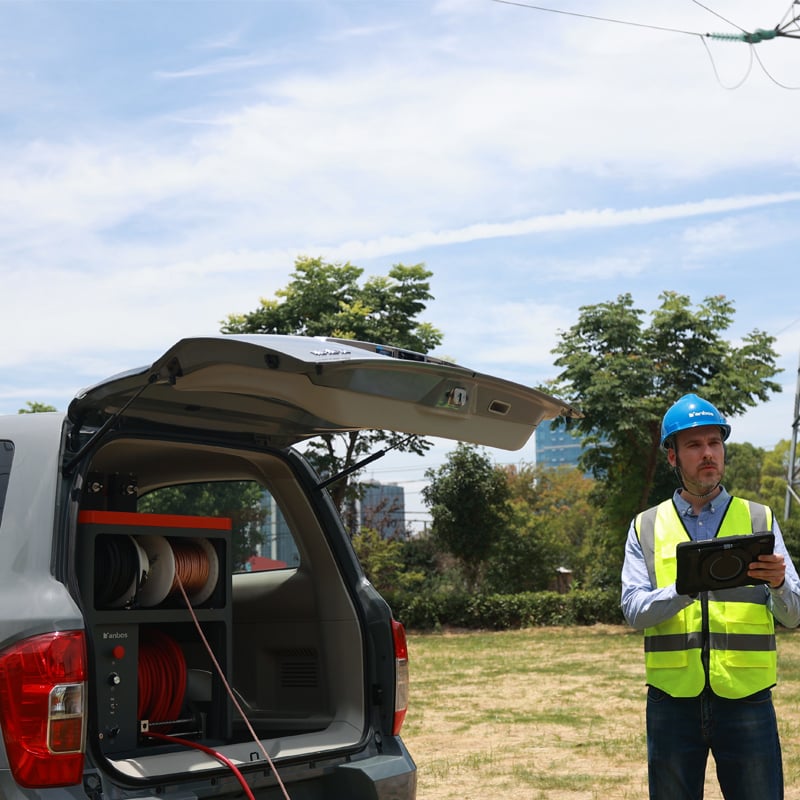
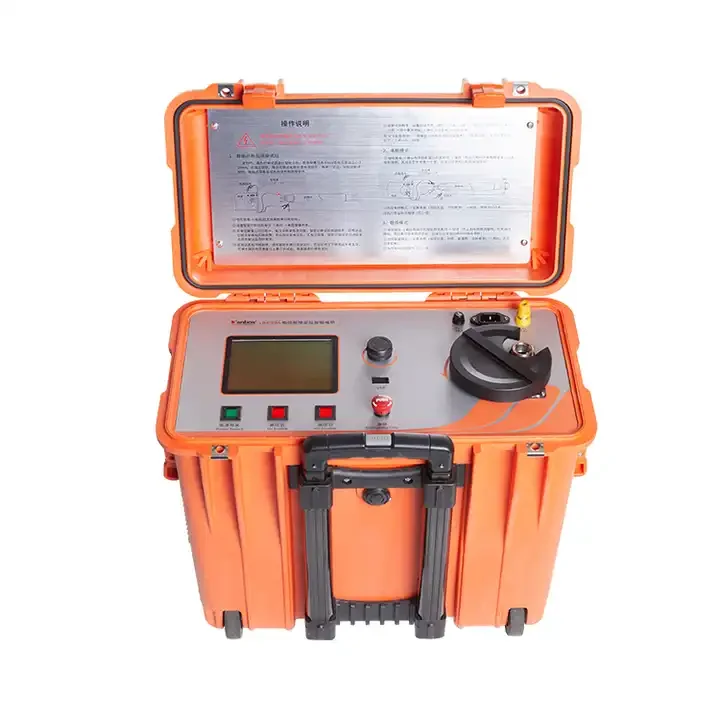
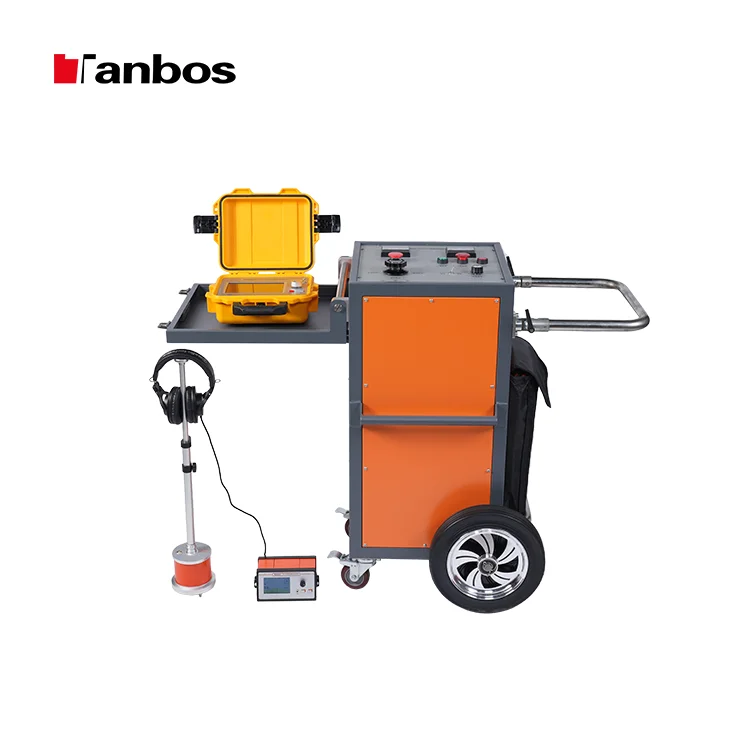
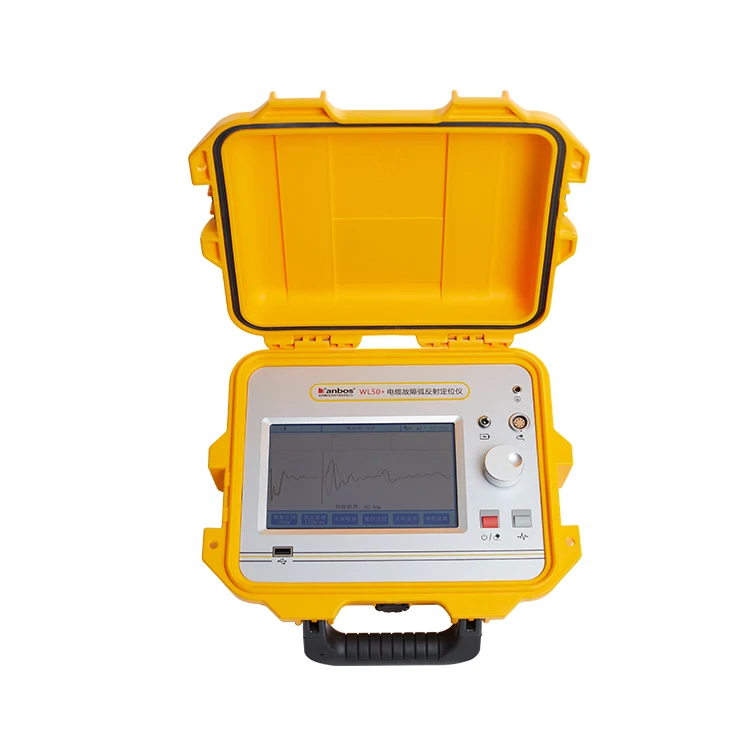
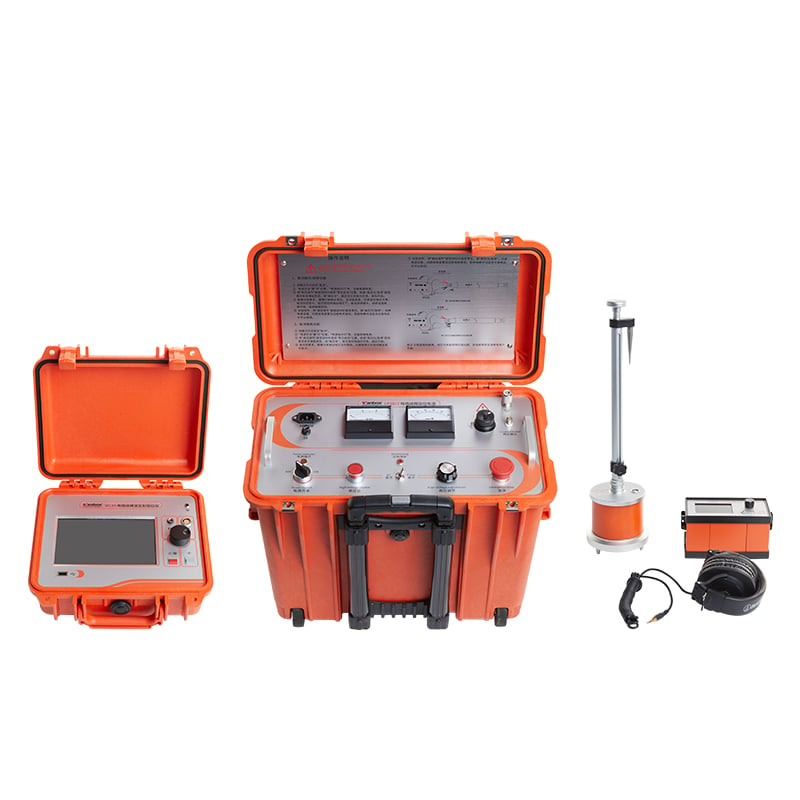
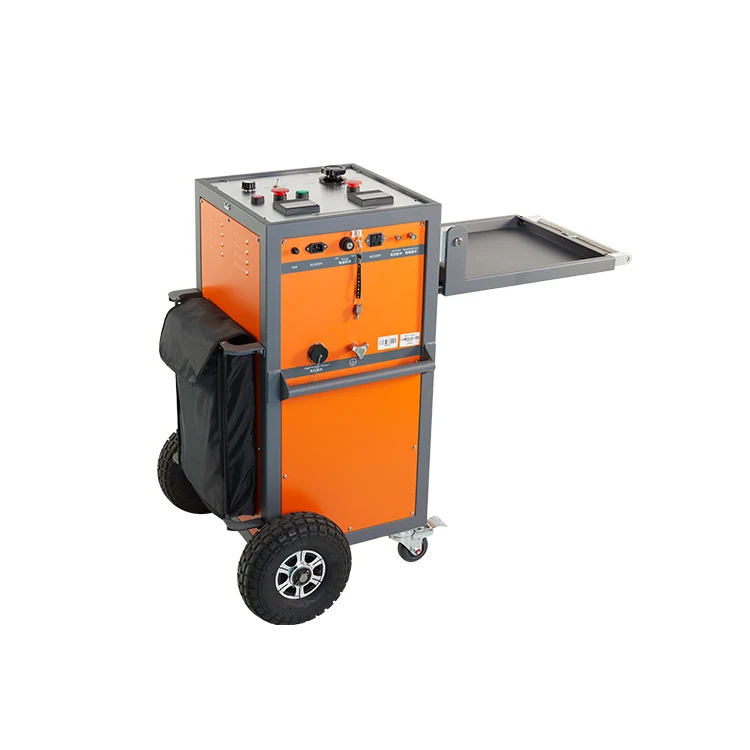
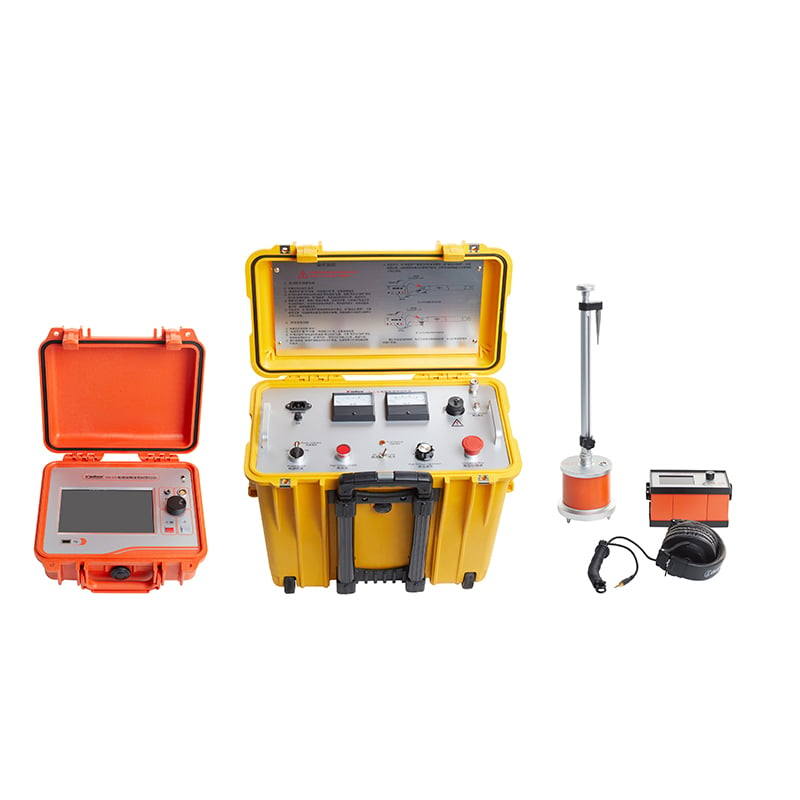
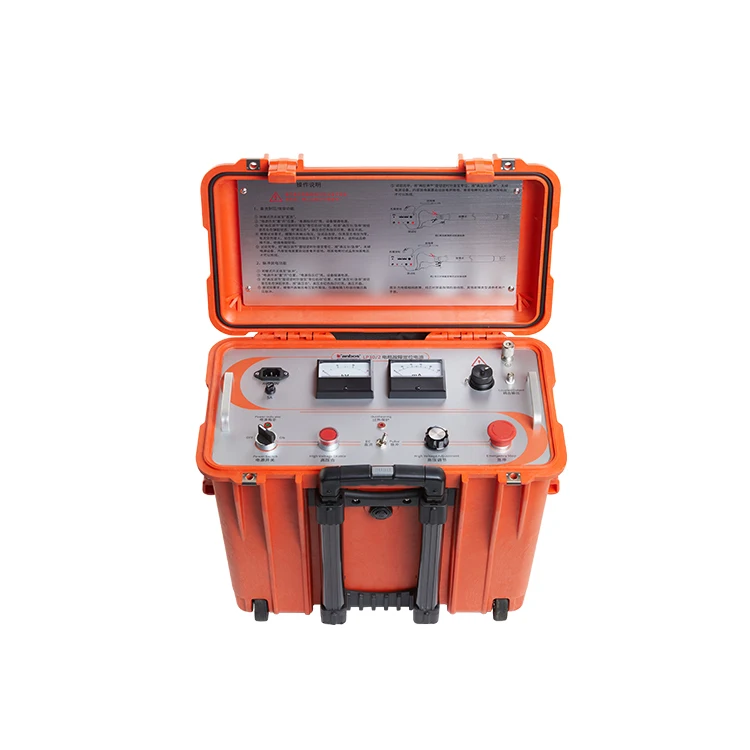
Underground cable fault locators are essential tools for identifying and diagnosing faults in underground electrical cables. Understanding the underground cable fault locator working principle is crucial for purchasing managers and engineers involved in cable maintenance and installation. This article aims to provide insights into how these devices operate, what features to consider, and important factors to keep in mind during the purchasing process.
Underground cable fault locator utilize various methods to detect faults in underground cables, such as short circuits, open circuits, and insulation failures. The most common techniques include time-domain reflectometry (TDR) and the use of acoustic sensors.
Time-Domain Reflectometry (TDR): TDR measures the time it takes for a signal to travel down the cable and reflect back. When a fault occurs, the impedance changes, causing a reflection that can be analyzed to determine the fault's location. This method is effective for identifying both the type and location of the fault.
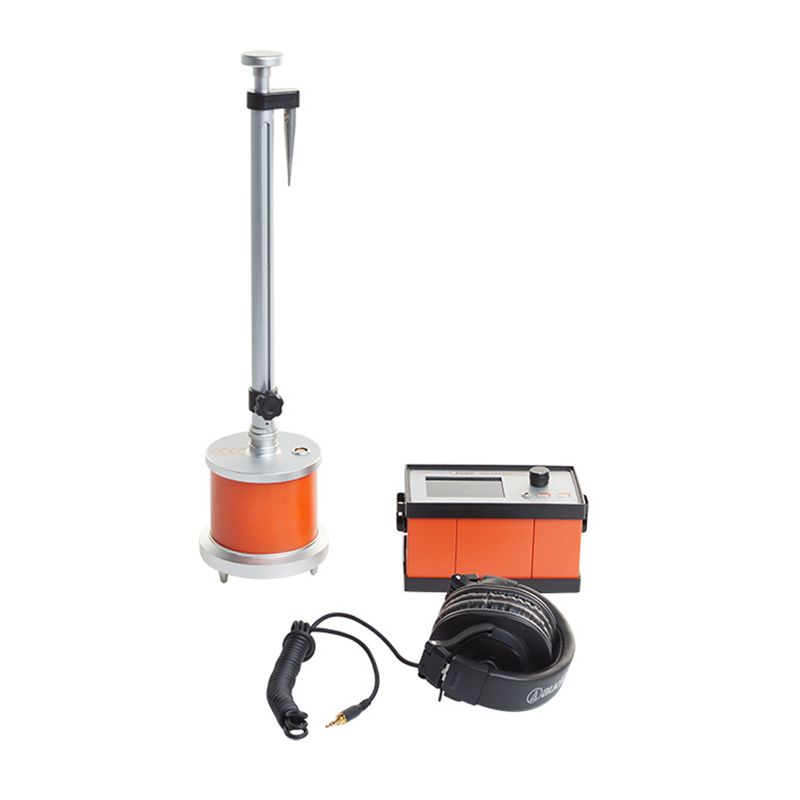
Acoustic Methods: These devices listen for sounds generated by electrical discharges in the cable. The acoustic signals produced during a fault can be detected and analyzed to pinpoint the fault location. This method is particularly useful in noisy environments where electrical signals might be harder to interpret.
Understanding these principles allows buyers to evaluate the effectiveness of different models and choose the one best suited to their needs.
When purchasing underground cable fault locators wholesale, several key factors should be taken into account:
Specifications: Understand the technical specifications such as measurement range, accuracy, and response time. Ensure they meet your operational requirements.
Customization: Some manufacturers offer customization options, allowing you to tailor the device to specific applications. This can include modifications to the software or hardware configurations.
Minimum Order Quantity (MOQ): Inquire about the MOQ, as this can vary between suppliers. Understanding this will help in budgeting and planning your procurement.
Lead Time: Assess the manufacturing lead time. Depending on the complexity of the device and your order size, lead times can vary significantly.
Supplier Evaluation: Research potential suppliers thoroughly. Look for reviews, certifications, and their experience in the industry. A reputable supplier will have a proven track record in delivering reliable products and customer support.
Gathering this information will ensure you make an informed decision when selecting a fault locator that aligns with your operational needs.
Choosing the right underground cable locator service involves considering several critical features:
Portability: Many models are designed to be lightweight and portable for field use. Evaluate the weight and ergonomics to ensure ease of transport.
Display and User Interface: A clear display and intuitive user interface are vital for quick diagnostics. Some models also offer touchscreen capabilities, which can simplify operation.
Data Logging: Look for devices that include data logging capabilities. This feature allows users to record fault events and analyze data over time, which can be useful for identifying trends.
Battery Life: Consider the battery life, especially if the device will be used in remote locations. Longer battery life reduces downtime and enhances productivity.
Durability: Ensure the unit is built to withstand harsh environmental conditions. Features such as water resistance and rugged casing will contribute to the longevity of the device.
By focusing on these features, buyers can select a fault locator that enhances their operational efficiency and reliability.
The cost of acquiring underground cable fault locators can vary based on several factors:
Technology: Different technologies (e. g., TDR vs. acoustic) have varying costs associated with their complexity and the materials used in their construction.
Brand Reputation: Established brands may command higher prices due to their reputation for quality and reliability. It’s essential to weigh the cost against the expected performance and warranty support.
Features: Advanced features such as data logging, connectivity options, and enhanced user interfaces can increase the price. Determine which features are essential for your operations to avoid overspending.
After-Sales Support: Consider the level of after-sales support offered by the supplier. A product with excellent technical support may be worth a higher upfront cost.
Shipping and Handling: Factor in any additional costs related to shipping and handling, especially for international orders.
Understanding these cost factors will help you budget effectively and choose the right product that meets your financial and operational needs.
As an innovative technology enterprise, we integrate R&D, technical training, application support, and sales to provide a comprehensive, end-to-end solution for cable diagnostics.
We concentrate our efforts on developing cutting-edge cable diagnostic technologies, enabling precise early warning and reliable fault diagnosis for enhanced grid safety and efficiency.
With over 15 years of focused experience in cable detection and testing since 2007, we have built deep expertise in the R&D and manufacturing of intelligent early-warning and fault-diagnosis equipment for cables and overhead lines.
Positioned as "Cable Diagnostic Experts at Your Side," we provide professional, trusted technology and support to clients, backed by strong industry credibility and a track record of innovation.
Proper installation and operation of underground cable fault locators are crucial for effective use. Here are some key considerations:
Pre-Installation Checks: Before installation, check the device's calibration and ensure that all components are intact. Conducting a pre-use inspection can identify potential issues early.
Training: Ensure that personnel operating the equipment are adequately trained. Training should cover not only how to use the device but also how to interpret the results accurately.
Environmental Considerations: Factors such as soil type, moisture content, and cable depth can affect the performance of underground electric cable detector. Understanding these variables will help operators achieve more accurate results.
Regular Maintenance: Implement a routine maintenance schedule to ensure the fault locator remains in optimal working condition. Regular checks can prevent unexpected failures during critical operations.
Documentation: Maintain thorough documentation of all installations, including the conditions under which faults were detected. This information can enhance troubleshooting efforts and improve future operations.
By adhering to these guidelines, users can maximize the effectiveness of their underground cable fault locators, ultimately leading to better maintenance practices and reduced downtime.
 AR
 HR
 CS
 NL
 FR
 DE
 EL
 HI
 IT
 JA
 KO
 NO
 PL
 PT
 RO
 RU
 ES
 SV
 TL
 IW
 ID
 SR
 SK
 UK
 VI
 ET
 HU
 TH
 TR
 FA
 MS
 GA
 HY
 AZ
 UR
 BN
 LA
 MN
 KK