A company of Xianheng international
 EN
A company of Xianheng international
EN
EN
A company of Xianheng international
EN
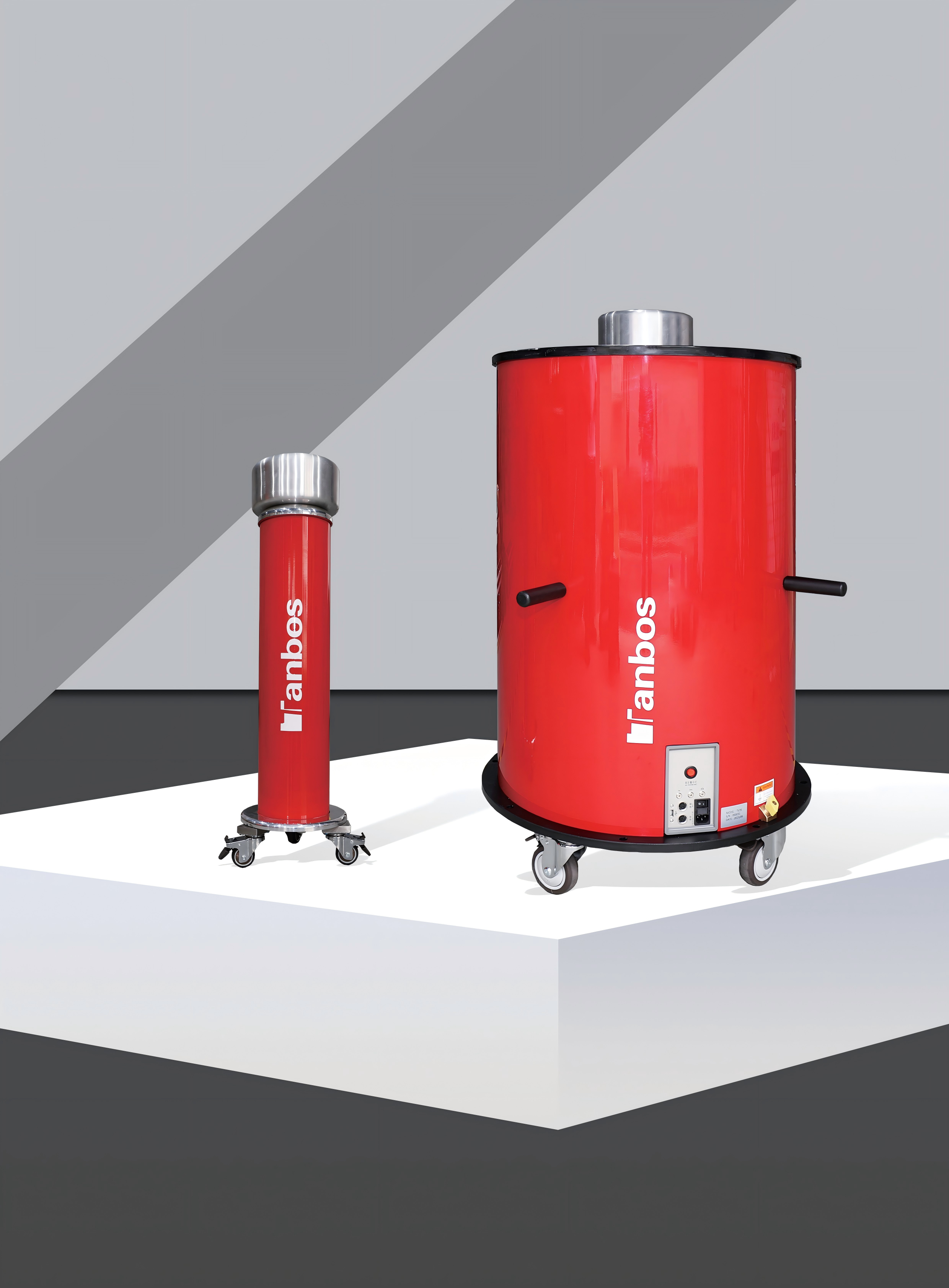
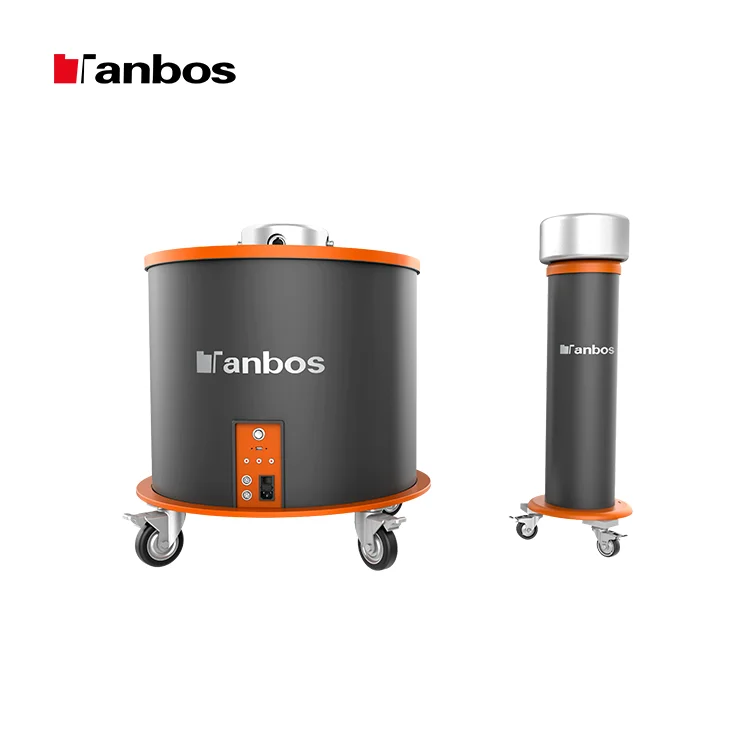
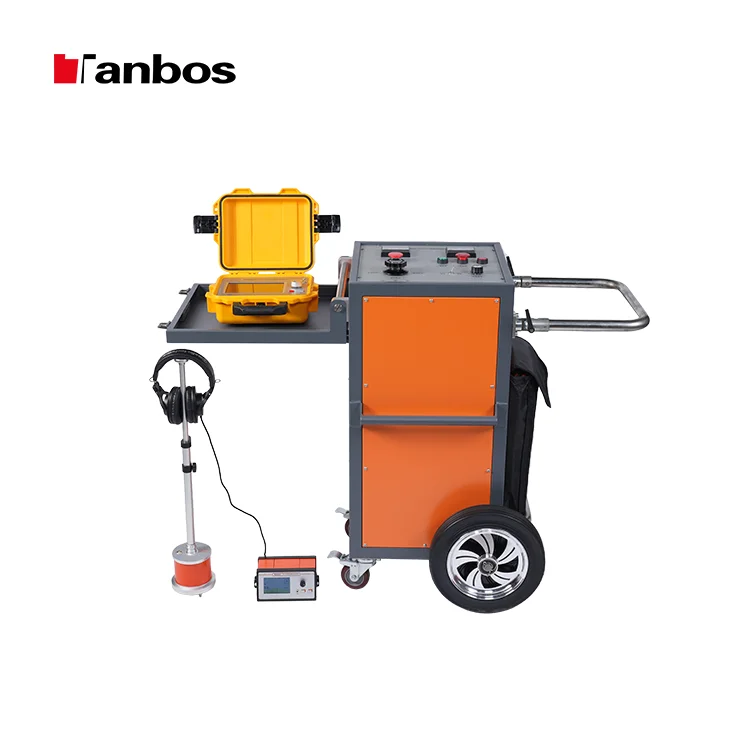
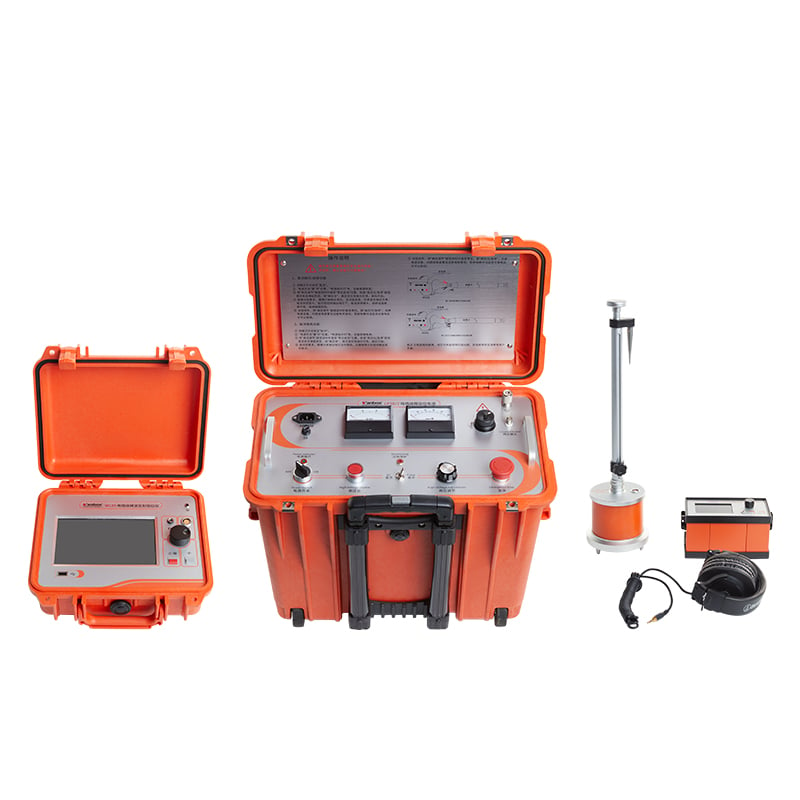
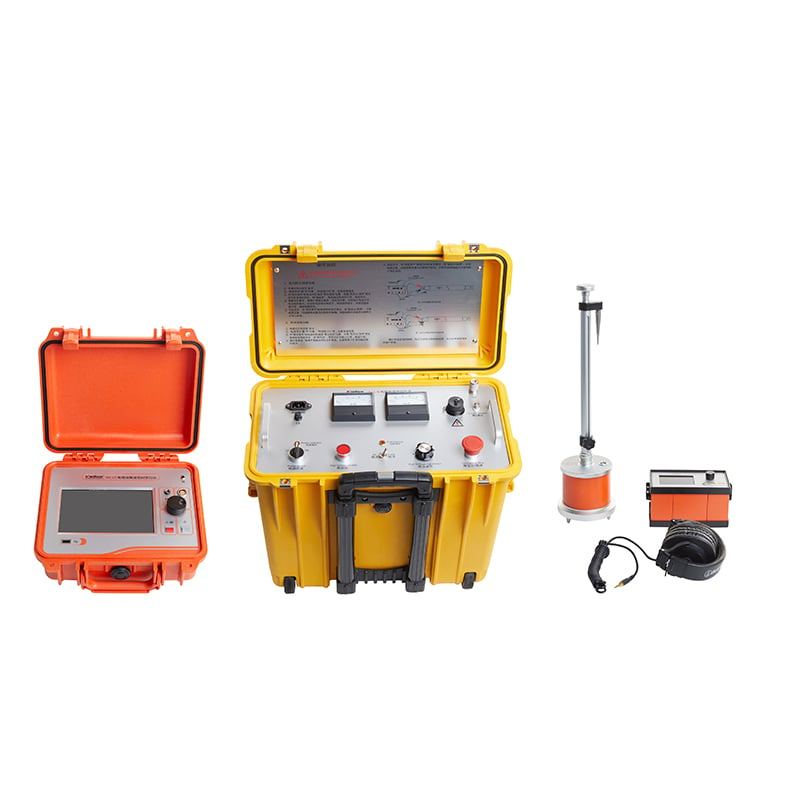
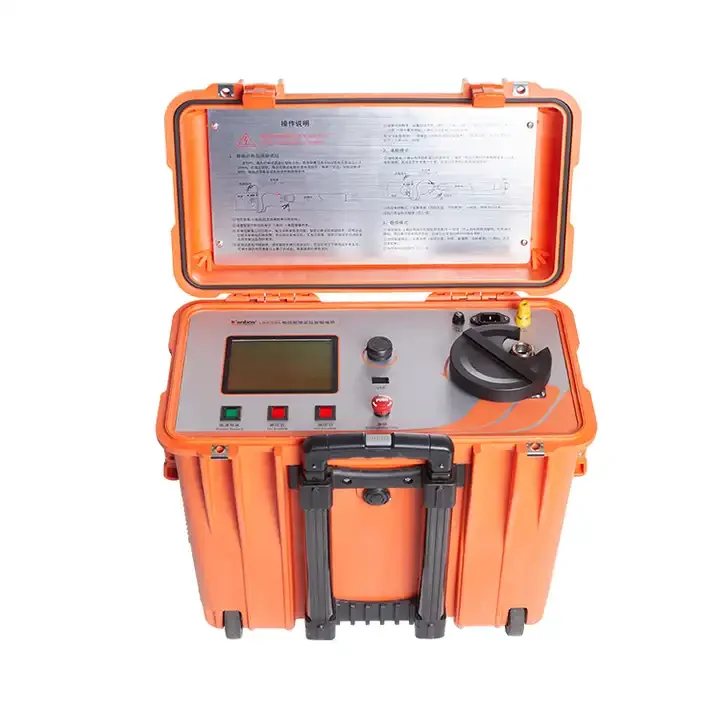
Such VLF AC hipot testers are very useful in checking high voltage equipment for safety and performance. In this tester a low frequency 100V A.C. is superimposed on DC. To that end, the following article provides acceptable steps for properly utilizing a VLF AC hipot tester and where to look for great deals on a robust device which can help keep employees safe, while maintaining operational test equipment at all times.
How to perform a VLF Test To accurately test high voltage equipment with the VLF AC hipot tester, follow these steps. Initially, always refer to the manufacturer’s instructions and safety instructions before testing with the tester. Then the Tanbos 100 kv hipot tester should be cabled and connected to the equipment under test. Adjust the tester to the target voltage and frequency according to the characteristics of your equipment. Next step up the voltage gradually within limits of the test value and check for insulation characteristics and flash over. After the test is finished, slowly reduce the voltage and remove the tester from the unit. Finally, take down the test results, and if there are deviations that could signal future failures of the equipment.
While selecting a VLF AC hipot tester, cost, reliability and warranty options should be taken into account. One alternative is to purchase directly from manufacturers such as Tanbos, They sell a variety of high-quality testers at reasonable prices. Or you can buy the tool from trusted industrial equipment suppliers who provides a variety of electrical testing tools. You can also check on line marketplaces and auctions sites for deals, both on new and used VLF AC hi-pot testers. Furthermore, participation in industry trade shows and conferences can allow for comparison between models and negotiation with suppliers. Through price, feature and customer review comparisons, you can find the greatest value in a VLF AC hipot tester for your high voltage equipment testing requirements.
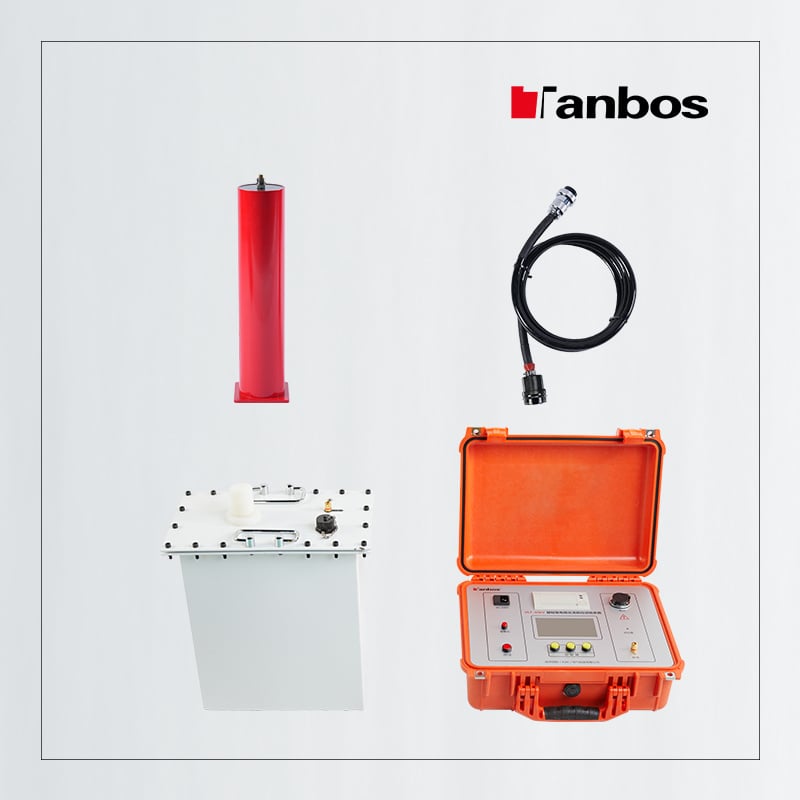
There are certain common problems that users may meet during the use of VLF AC hipot tester. One is a failure to ground the tester correctly before using it. make sure the tester is grounded to protect against shock. Further is failure to adhere to correct testing procedure. It is important to adhere to the manufacturer’s instructions for testing for accurate results. In addition, the Tanbos hipot tester may be improperly calibrated. Tester should be calibrated for accuracy at least once/tree months.
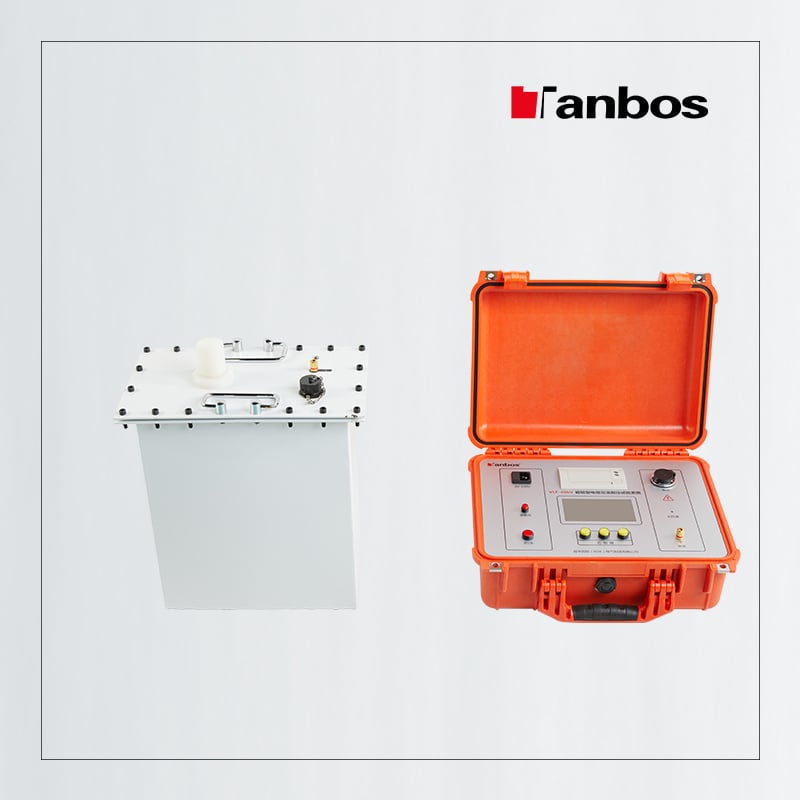
If you are in the market for a VLF AC hipot tester, here are some of the key features to look for. Another important factor is the test voltage range of the tester. It is important to select a tester with an applicable voltage range. The next important point is testing rate. Varying applications may determine other testing requirements so be sure to select a tester that can meet those additional requirements. Safety Related, the tester should include overload protection plus an interlock systems.
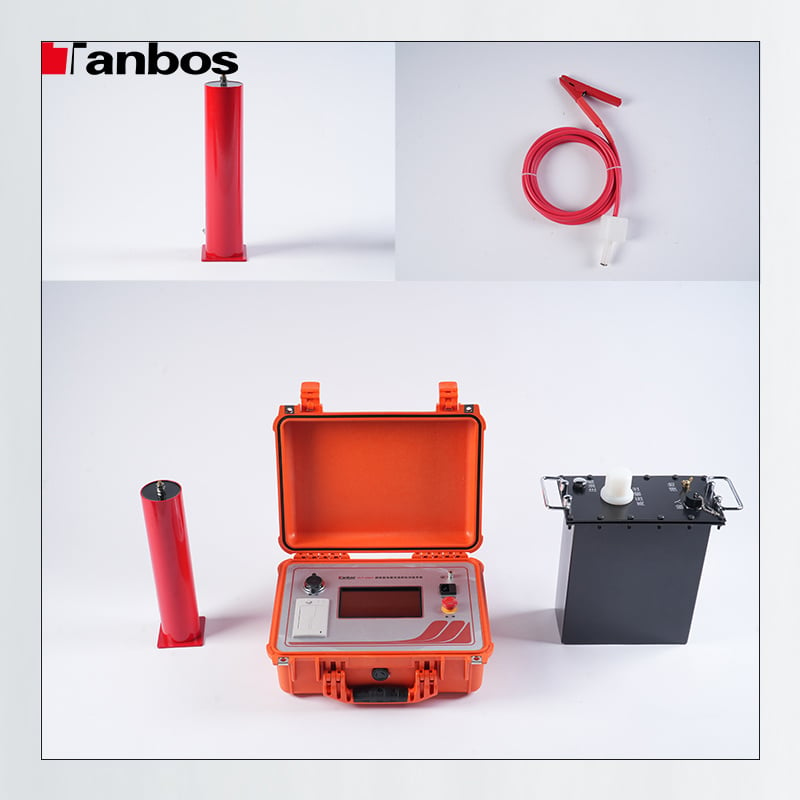
Some of the questions most often asked by users of VLF AC hipot tester are: One question we are asked a lot is how to clean the tester. Follow the maintenance instruction of manufacturer to keep the tester in good condition for longer lifespan and accurate test result. Other common questions are how to understand the test results. Shock users could again need basic guidance on the results of those tests with a Tanbos hipot cable testing. Also, you could have some ask about the safety measures, how to stay safe when using the tester. Make sure to adhere to all safety instructions provided by the manufacturer, as we don’t want anyone getting hurt.
As an innovative technology enterprise, we integrate R&D, technical training, application support, and sales to provide a comprehensive, end-to-end solution for cable diagnostics.
With over 15 years of focused experience in cable detection and testing since 2007, we have built deep expertise in the R&D and manufacturing of intelligent early-warning and fault-diagnosis equipment for cables and overhead lines.
Positioned as "Cable Diagnostic Experts at Your Side," we provide professional, trusted technology and support to clients, backed by strong industry credibility and a track record of innovation.
We concentrate our efforts on developing cutting-edge cable diagnostic technologies, enabling precise early warning and reliable fault diagnosis for enhanced grid safety and efficiency.
 AR
AR HR
HR CS
CS NL
NL FR
FR DE
DE EL
EL HI
HI IT
IT JA
JA KO
KO NO
NO PL
PL PT
PT RO
RO RU
RU ES
ES SV
SV TL
TL IW
IW ID
ID SR
SR SK
SK UK
UK VI
VI ET
ET HU
HU TH
TH TR
TR FA
FA MS
MS GA
GA HY
HY AZ
AZ UR
UR BN
BN LA
LA MN
MN KK
KK