A company of Xianheng international
 EN
A company of Xianheng international
EN
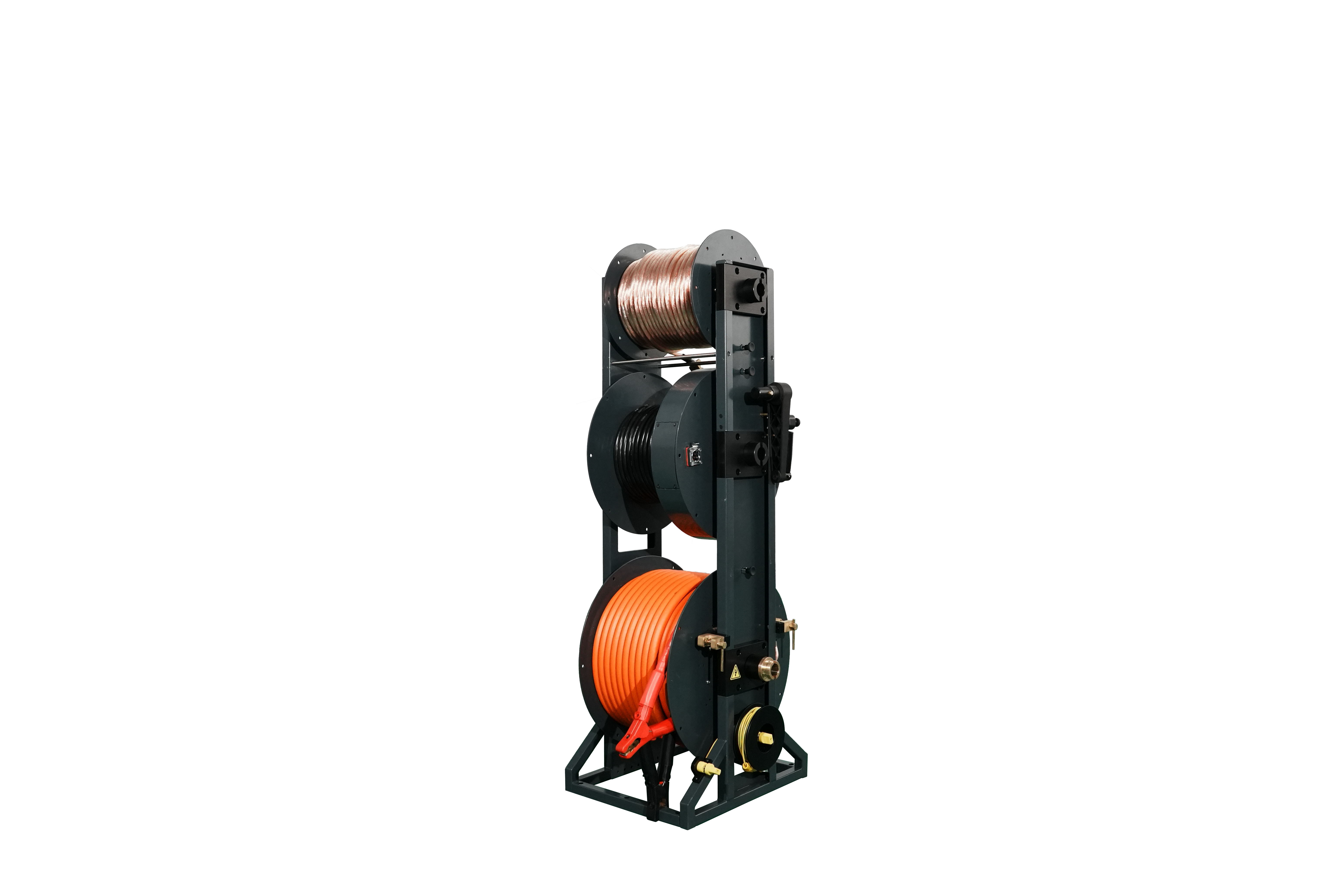
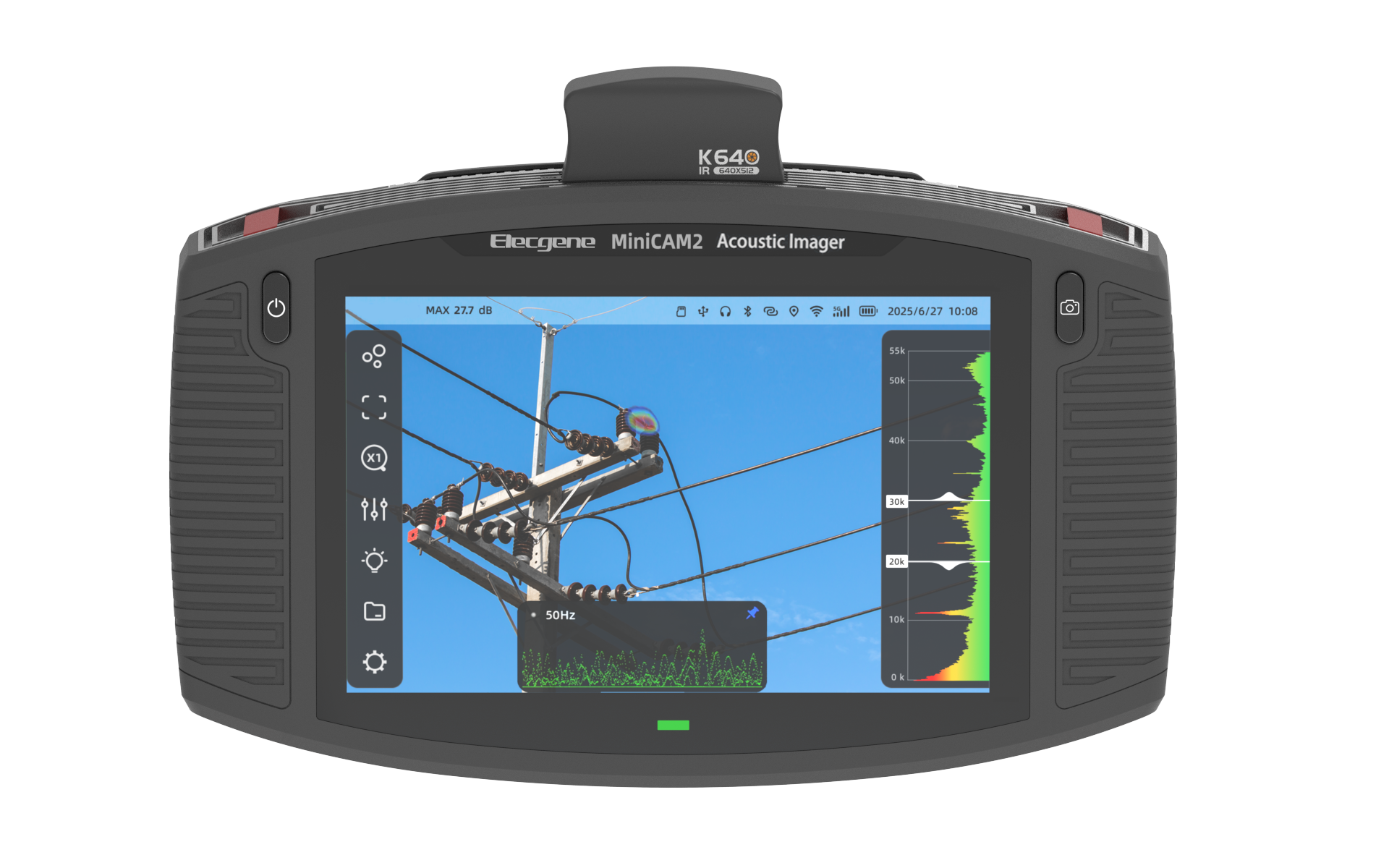
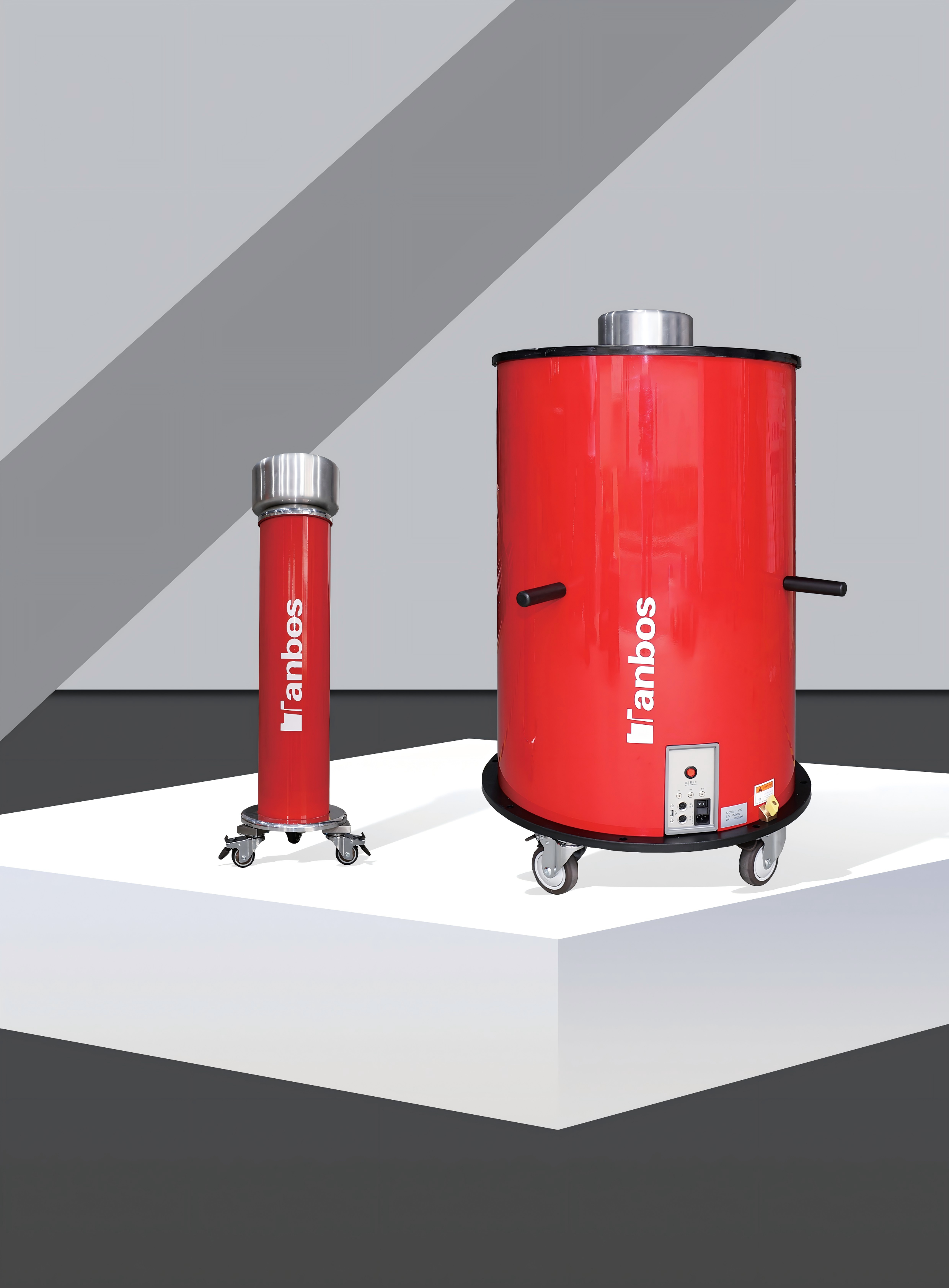
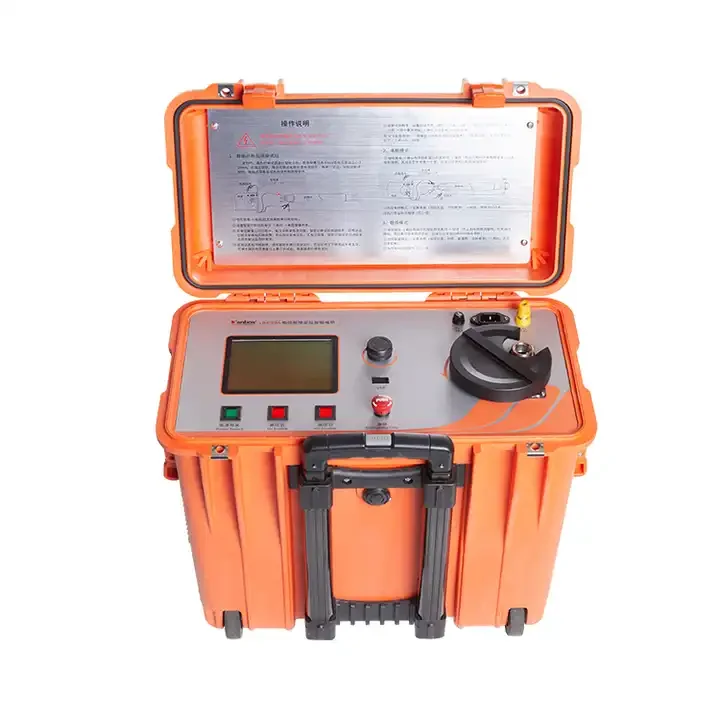
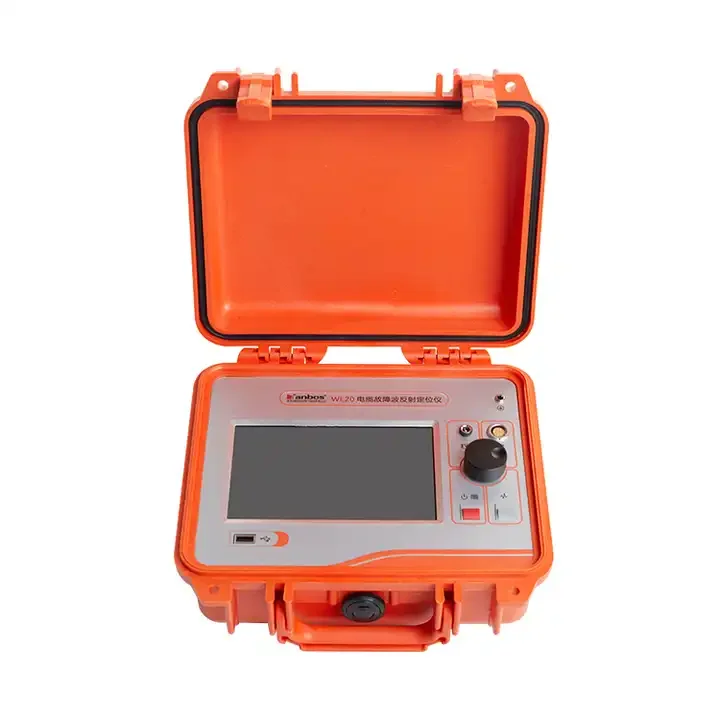
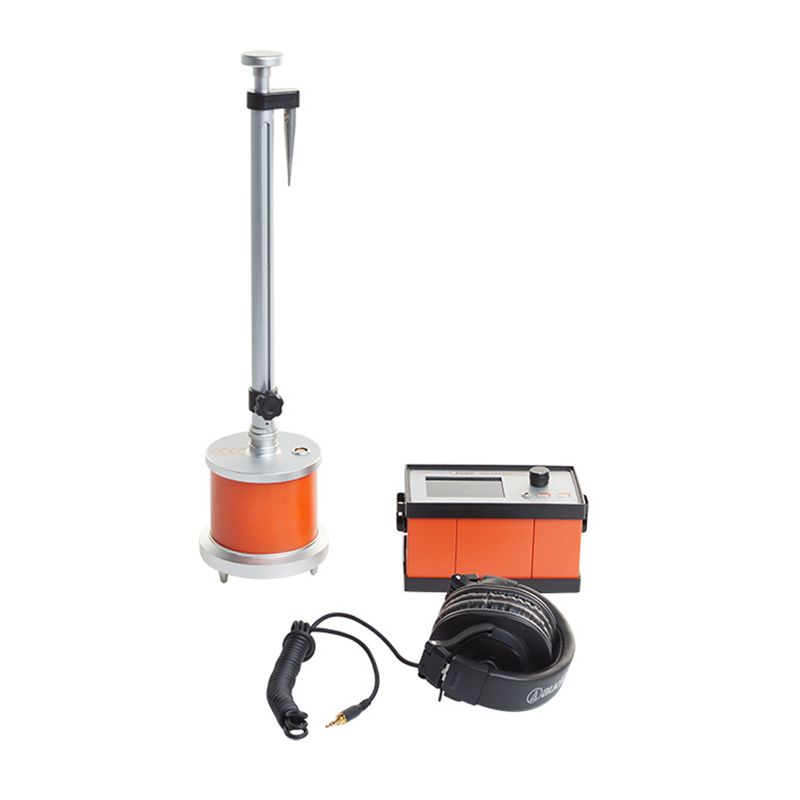
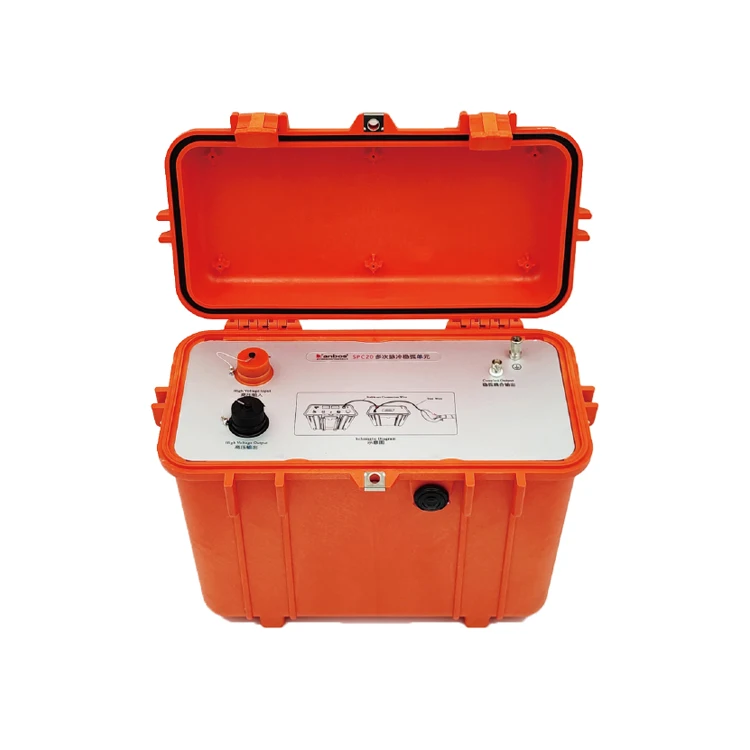
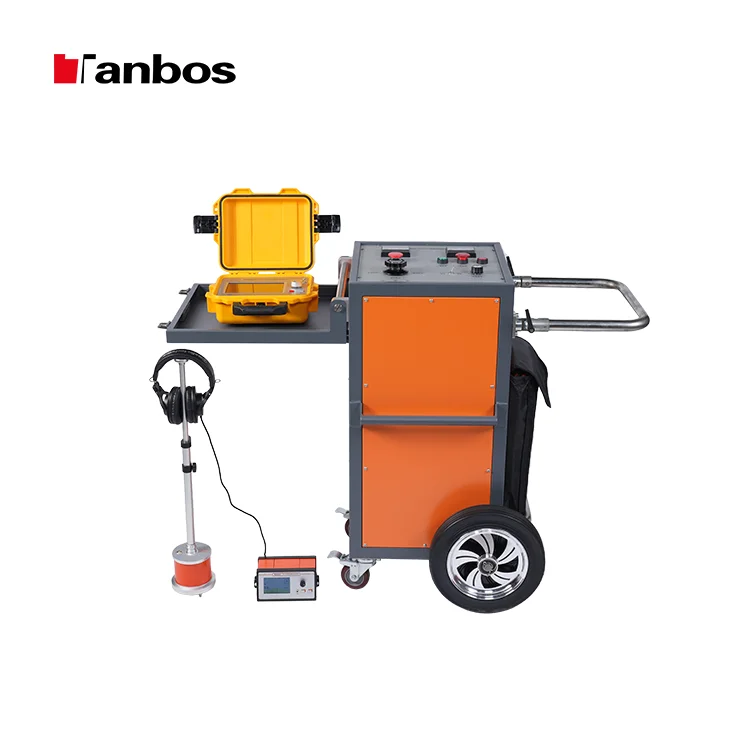
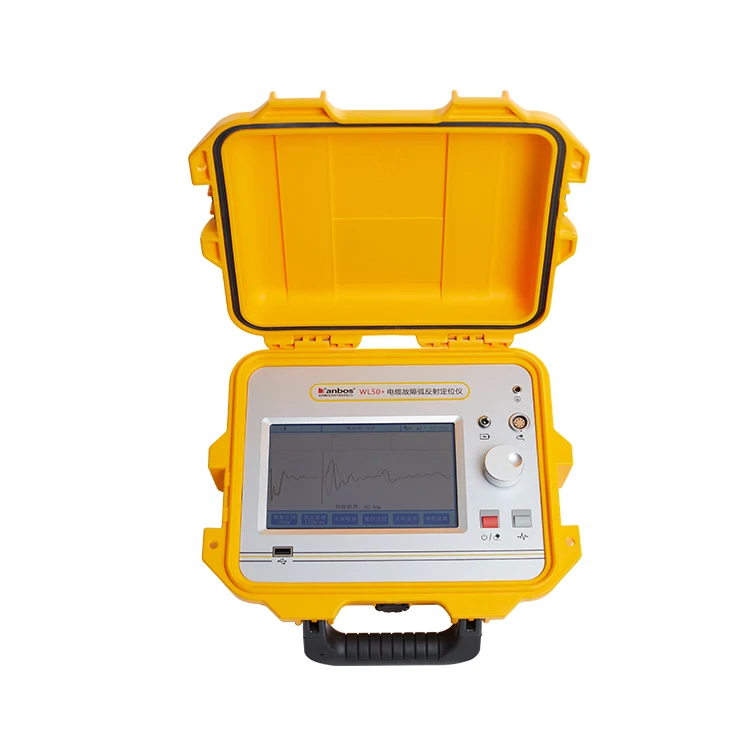
Understanding the price of cable fault detectors is crucial for B2B buyers in the manufacturing and industrial sectors. Tanbos cable fault locating equipment are essential for detecting and diagnosing issues within cables and overhead lines. Buyers often have concerns about the specific features, reliability, and overall cost-effectiveness of these detectors, and this article aims to clarify how to select the right cable fault detector based on their needs and the factors influencing pricing.
Selecting the appropriate cable fault detector involves evaluating several key aspects, including the type of application, the specific features required, and the environmental conditions in which the Tanbos cable fault location will operate. Buyers should begin by identifying the voltage and type of cables being tested, as some detectors are optimized for low voltage while others are designed for high voltage applications.
Additionally, consider the detector's sensitivity and response time, which are critical for timely fault identification. Features of Tanbos cable fault locator such as data logging, user interface, and compatibility with existing testing equipment should also be assessed. For instance, if your operations require frequent testing, a model with a user-friendly interface and quick response time can significantly enhance productivity.
When evaluating cable fault detectors, several factors impact both functionality and price. Key considerations include:
Technology Used: Different detection technologies, such as time-domain reflectometry (TDR) or acoustic methods, have varying costs and effectiveness depending on the application. Understanding the advantages and limitations of each technology helps buyers make informed decisions.
Durability and Environmental Resistance: The operational environment can affect the detector's performance. Buyers should consider models with robust construction that can withstand extreme temperatures, humidity, or exposure to chemicals, especially in industrial settings.
Calibration and Maintenance: Regular calibration is necessary for accurate readings, which can add to operational costs. Buyers should inquire about the manufacturer’s calibration standards and how often maintenance is required to ensure longevity and reliability.
Training and Support: As technology evolves, having access to training resources and technical support from the manufacturer can influence the effectiveness of the detector. Assessing the level of ongoing support offered can be a deciding factor.
Several specifications directly influence the pricing of cable fault detectors. Understanding these can help buyers budget effectively:
Detection Range: Detectors with a wider detection range typically come at a higher price due to the advanced technology required.
Data Storage Capacity: Units that can store more data or offer advanced analysis capabilities tend to be more expensive. Buyers should evaluate how much data storage is necessary for their operations.
Portability: More portable models may incur additional costs due to the design and materials used. If the detector needs to be moved frequently, investing in a lightweight and compact model could be beneficial.
Accessories and Optional Features: Many detectors come with optional accessories such as carrying cases, additional probes, or software for data analysis. These can add to the initial cost but may enhance functionality.
Installation of cable fault detectors can present challenges that impact their performance. Common issues include:
Incorrect Placement: Positioning the detector incorrectly can lead to inaccurate readings. Buyers should ensure that the installation location is suitable and that staff are trained on proper setup procedures.
Environmental Interference: Factors such as electromagnetic interference (EMI) can affect the detector's accuracy. Utilizing shielding techniques and ensuring proper grounding can mitigate these issues.
Inadequate Training: Insufficient training can lead to improper usage, resulting in missed faults or misinterpretation of data. Manufacturers should provide comprehensive training sessions for users.
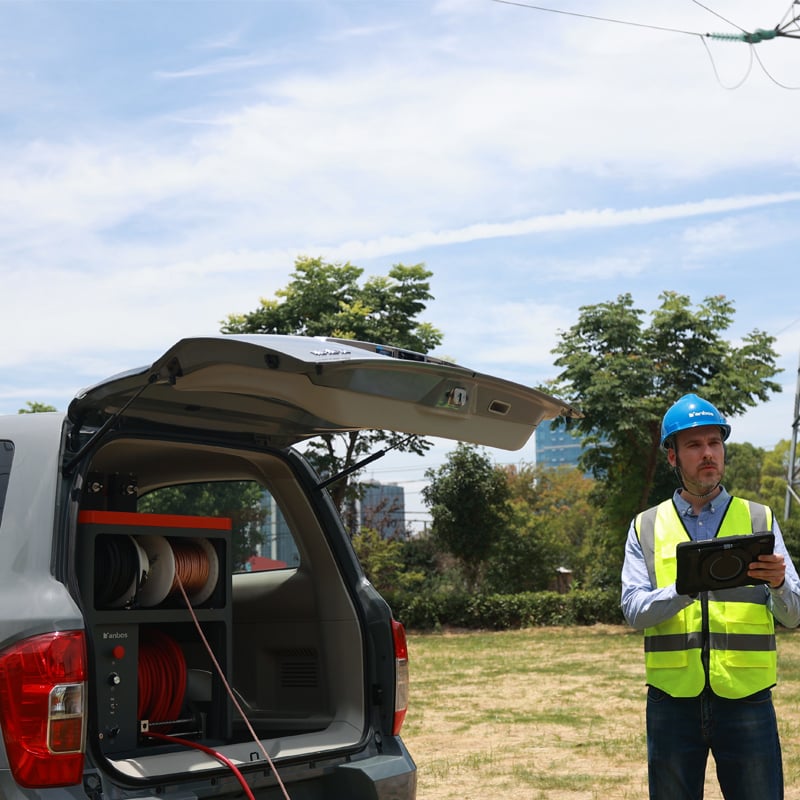
To address these challenges, buyers should work closely with manufacturers like Tanbos to ensure they receive the necessary support and training for successful installation and operation.
Positioned as "Cable Diagnostic Experts at Your Side," we provide professional, trusted technology and support to clients, backed by strong industry credibility and a track record of innovation.
As an innovative technology enterprise, we integrate R&D, technical training, application support, and sales to provide a comprehensive, end-to-end solution for cable diagnostics.
With over 15 years of focused experience in cable detection and testing since 2007, we have built deep expertise in the R&D and manufacturing of intelligent early-warning and fault-diagnosis equipment for cables and overhead lines.
We concentrate our efforts on developing cutting-edge cable diagnostic technologies, enabling precise early warning and reliable fault diagnosis for enhanced grid safety and efficiency.
Cable fault detectors are utilized across multiple industries, each with specific requirements:
Utilities: In electrical utilities, these detectors help maintain essential services by quickly identifying faults in overhead lines and underground cables.
Telecommunications: In the telecommunications sector, cable fault detectors are crucial for maintaining the reliability of signal transmission by swiftly locating faults in fiber optic and copper cables.
Manufacturing: Manufacturers rely on these devices to ensure operational efficiency, as faults in power supply lines can lead to significant downtime.
Transportation: In transportation sectors, including railways and airports, cable fault detectors help maintain safety by detecting faults in critical power and communication lines.
By understanding the diverse applications, buyers can better appreciate the value these detectors bring to their specific industry needs.
Investing in a cable fault detector is not just about the initial purchase price; it’s about selecting a device that enhances operational efficiency and reliability. By carefully considering the factors outlined, B2B buyers can make informed decisions that align with their operational goals and budget constraints.
 AR
 HR
 CS
 NL
 FR
 DE
 EL
 HI
 IT
 JA
 KO
 NO
 PL
 PT
 RO
 RU
 ES
 SV
 TL
 IW
 ID
 SR
 SK
 UK
 VI
 ET
 HU
 TH
 TR
 FA
 MS
 GA
 HY
 AZ
 UR
 BN
 LA
 MN
 KK